Here I lie a prisoner between sheets,
and listen in a darkened pavilion.
I am thinking of a couple of lines from the Swedish poet Hjalmar Gullberg's magnificent poem To a Nightingale in Malmö, which deals with a sleepless night in a hospital bed. My left femoral head had been worn down and so had the ligament where it meets the pelvic bone. One of the doctors told me it was as if I had been driving around with a flat tire for a long time, until it reached the rim. Yes, yes, I can understand that, it's probably an age disorder. Several of my friends have died, but so far, I only have a femur problem, which can actually be fixed, unlike death.
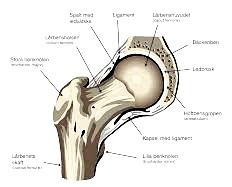
I had surgery and was then apparently provided with a new femoral head. Now, I am lying here motionless and destitute; surrounded by drips, catheters and winding cords. The newly operated leg means that I, like a mummy, am forced to lie in a strictly supine position.
It's two o'clock in the morning, the plug to the device with which I could turn off the lights and also call the night staff has fallen out of the wall, probably due to the tangle of cables and tubes. I can't access the fallen cord and therefore can't do anything but to lie here and write on my laptop, which I thankfully had standing on my bedside table.
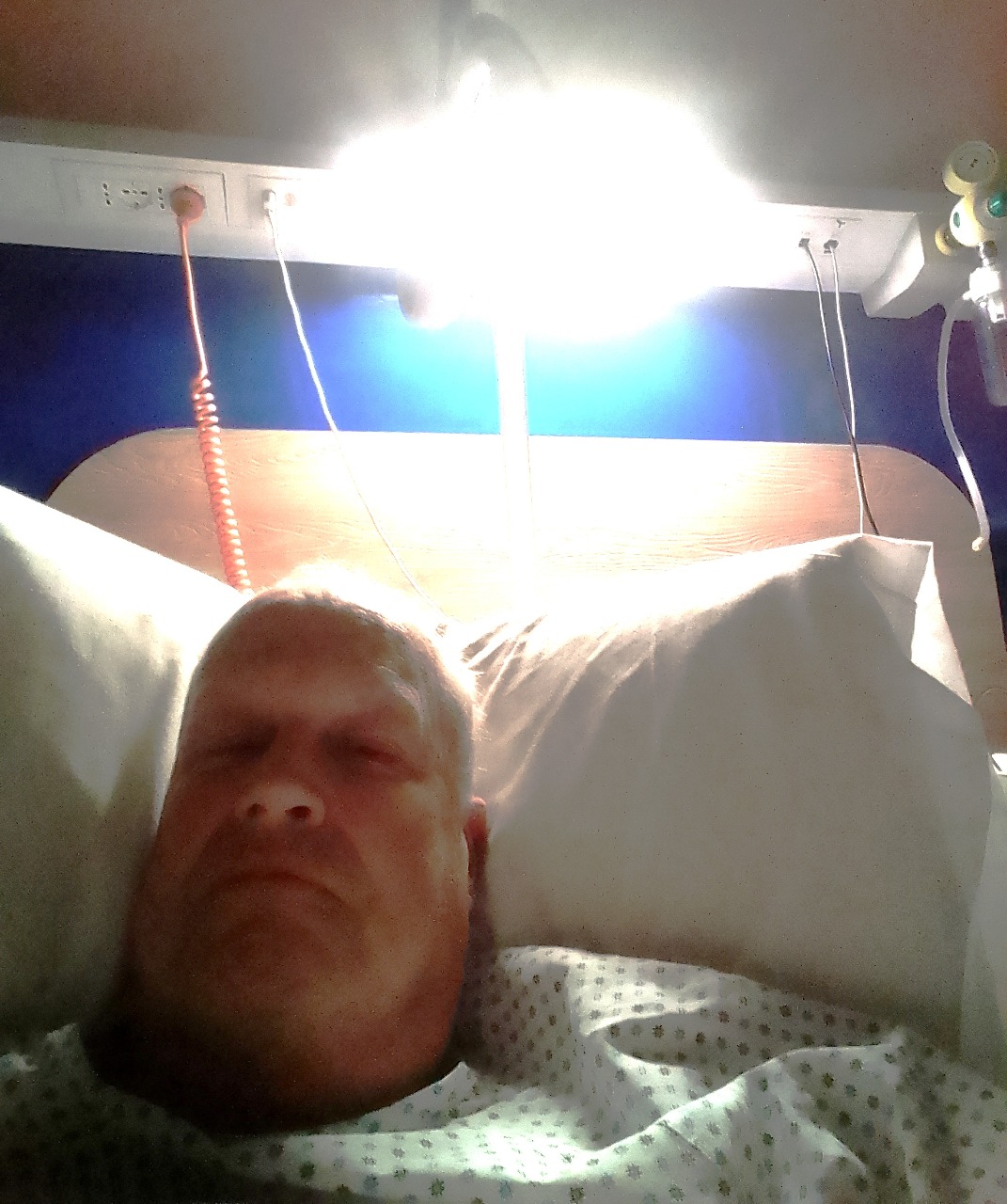
I try to fall asleep, but the bright light just above my head makes it impossible, in addition to that there is the insurmountable difficulty of turning over in bed. I look around. Time drags on. Time. This incomprehensible phenomenon that is constantly changing character. Now at night it moves incredibly slow, it has become painfully sluggish. Slowly and relentlessly The Hour of the Wolf approaches. In his film with the same name Ingmar Berfgman described it as:
The Hour of the Wolf is the hour between night and dawn. It's the hour when most people die, when sleep is deepest, when nightmares are most real. It is the hour when the sleepless is haunted by their most severe anxiety, when ghosts and demons are most powerful. The Wolf Hour is also the hour when most babies are born.
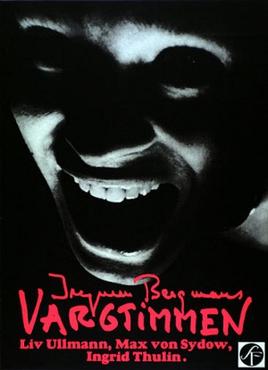
I became acquainted with that hour during my time as a conscripted telegraph operator when I often ended up with the night shift and had to suffer through the time between four and five in the morning, when time’s painful inertia sets in at its worst, while the fatigue becomes increasingly difficult to master.
I sigh and close my eyes. Sleep is an impossibility; the morphine drip is finished and the hip pain makes itself felt, the needle sticks I had been perforated with during day (for drip, catheter, blood tests, etc.), are making themselves noticed. I look around dejectedly and realize that my only relief from insomnia is to continue writing, while stoically waiting for dawn to come.
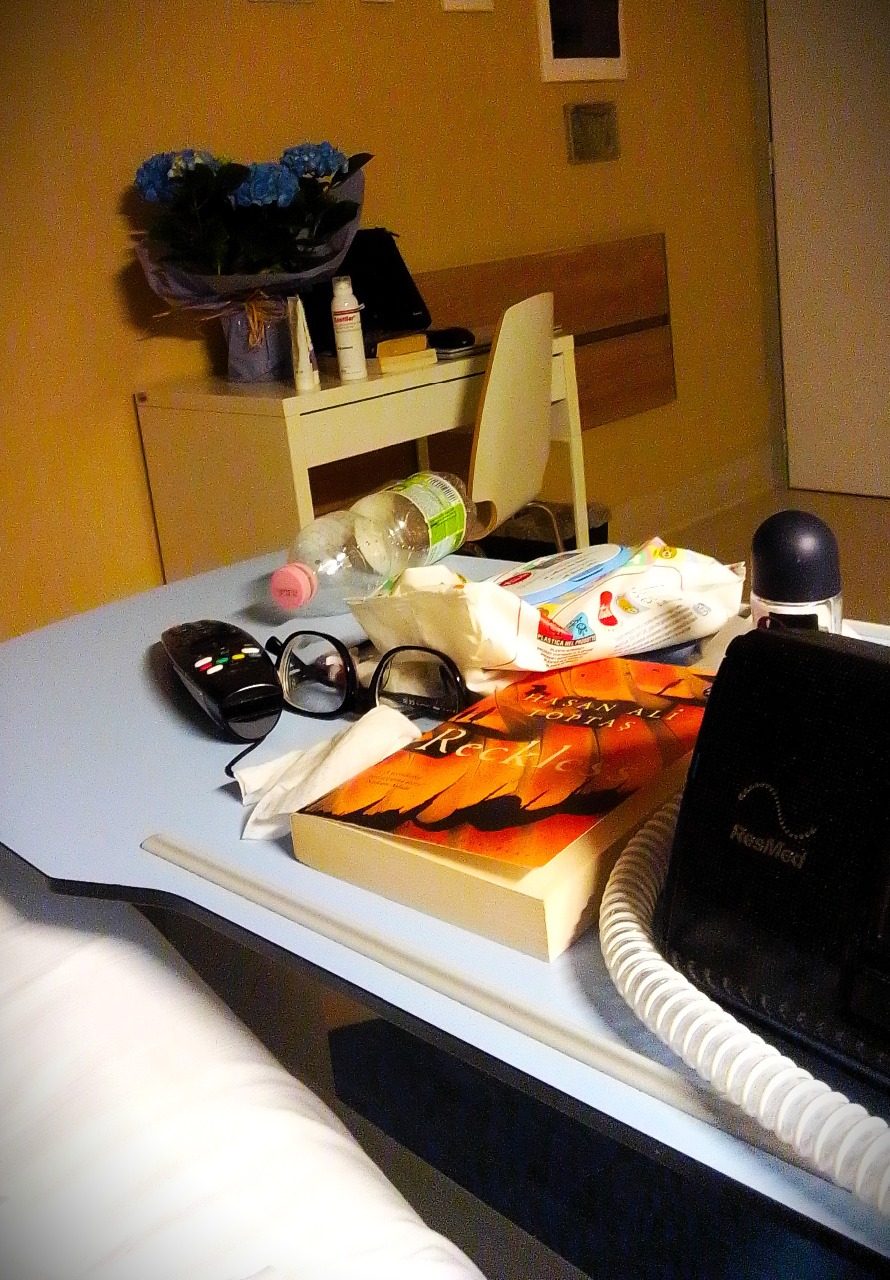
I cannot even get annoyed by the misery, since lie in a private room in a modern hospital, surrounded by knowledgeable and a friendly, accommodating staff. A cord has fallen out of the wall. A cord? So what? Soon morning will come, filled with activities – the changing drips, blood tests, the checking of temperature and blood pressure, physiotherapy, body wash, changing sheets, breakfast, etc. Shutters will be pulled open and the torments of the night will disappear.
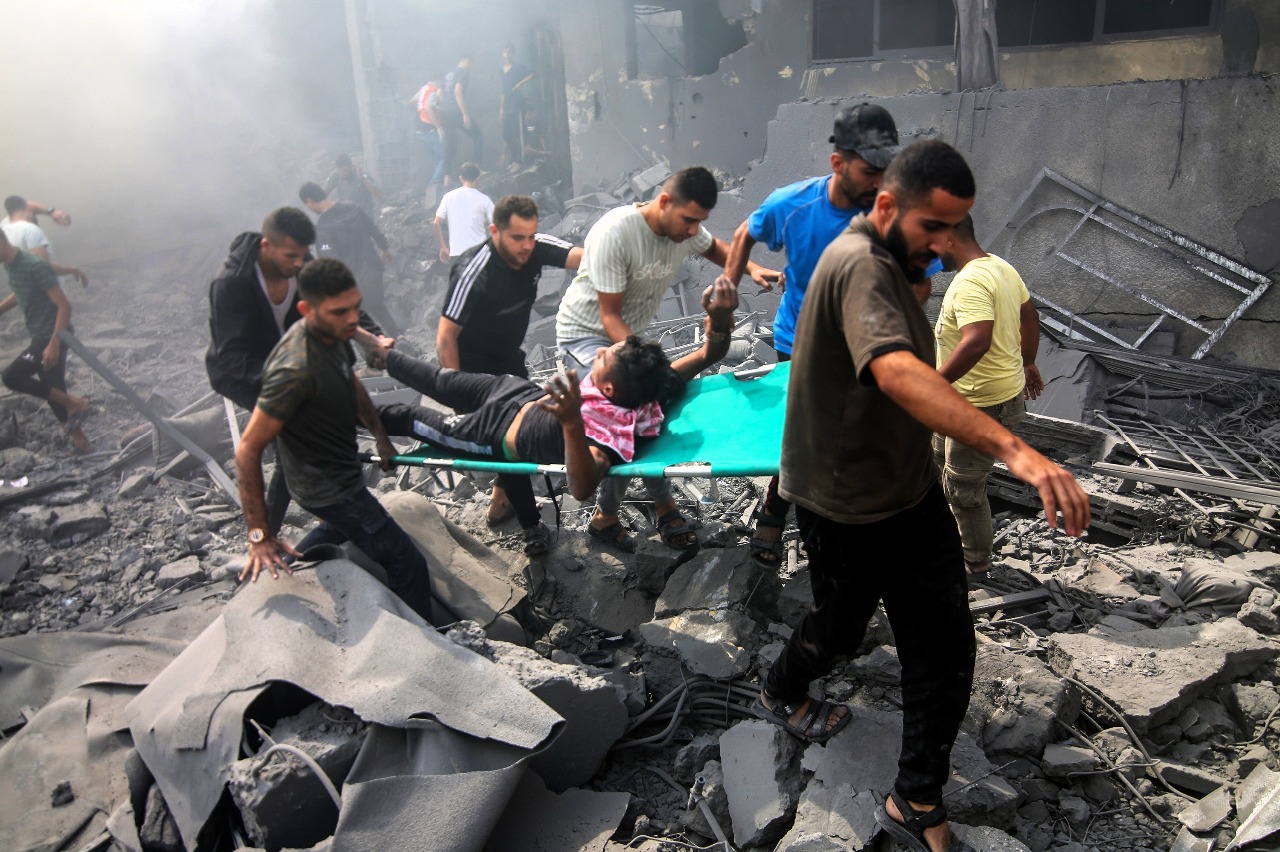
I have seen terrible hospitals in poor countries and think of the bombed-out hospitals in the Middle East – dead, or mortally wounded, orphans still alive under the rubble.
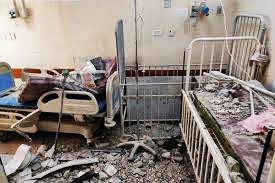
Why did I become so privileged? It will be at least four hours until breakfast arrives. My position in bed is difficult to master, it becomes ever more uncomfortable, but I have the computer with me and can now do nothing but think, remember and write.
From time to time, I have read a translation of a Turkish novel, Ruthless by Hasan Ali Topaş and during my insomniac thoughts the reading comes alive.

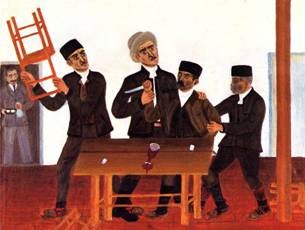
Half an hour ago I read a part where one of the novel's main characters had become involved in a violent pub fight during which one of his best friends accidentally inflicted a deep knife wound on one of his legs. Agitated villagers carry the profusely bleeding man to his home and gather around his bed.
"May it pass soon," said Ziya, putting a light hand on his friend's shoulder. Where is your wound?"
"In his leg ," said one of the villagers, before Kenan had a chance to reply. "His right leg."
Ziya fell silent. He didn't know what to say.
Turning back to Kenan, he asked, "Where exactly?"
"Above his knee," said another villager, shifting his weight. "Right here, see? Close to his hip."
Ziya felt obliged to turn around, so that the villager could point out the place on his own leg. He traced a line , to show how long the wound was.
There's exactly where I have my surgical wound, the one that now keeps me awake. How many times have I previously read about someone who had such a wound? Never. And now I have read about it during this sleepless night. For sure, we all experience similar coincidences. But, that doesn't stop us from finding them strange. Of course, they are completely meaningless... But, still?
Topaş's novel deals with life’s incomprehensibility. For example, an act committed so long ago that we have forgotten all about it, or maybe we didn't even think about what we did at that specific time in the past. How such an act can might appear much later and change our life.
Topaş describes with great realism a Turkish peasant wedding, or the abominable existence some conscripted young men are forced to endure at border posts along the Syrian border.
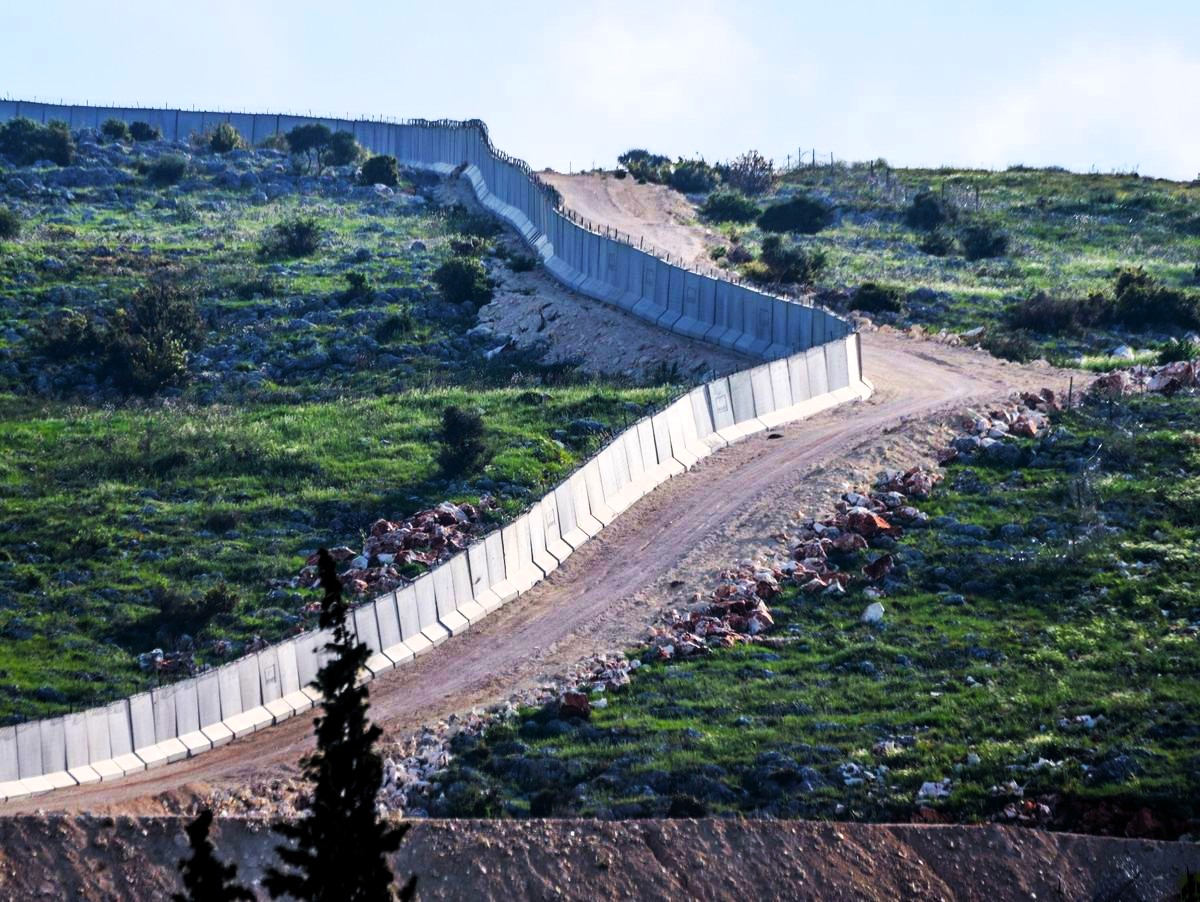
Maybe at the same time when I, together with my friends – Mats, Stefan, Hasse and Boris – one night, in a rickety bus were crossing over that same border. It was during Ramadan in 1978 and the tired and hungry Syrian border guards forced us passengers to spend several hours in the cold of the night, so they could get permission from their superiors in Damascus to allow one of us to bring in such an unexpected object as a Bohemian crystal chandelier. That was long before desperate refugees were turned back by that same border crossing.
When I have now read Topaş's description of the criminally brutal treatment Turkish conscripts were forced to endure under ruthless commanders, it seems to be almost incomprehensible. However, it is so carefully portrayed that everything seems to be highly plausible.
Almost everything is told from the viewpoint of the main character, Siya, and at times the boundary between memory and dream becomes blurre. For example, Siya is walking along a forest path, passes a paved road and finds himself in front of the gates of the regiment where he is to reprot as a conscript, despite the fact that there are thirty-seven years between the two events.
In the same manner, after a dramatically depicted episode, both absurd and realistic, during which Siya is to return the apartment cell to his landlady, he steps into an elevator only to end up in the bed of his childhood home. The transitions are subtly undramatic and followed by long realistically told incidents.
Since everything revolves around Siya, the different stories, dreams, and memories are intertwined, while the reader is forced into an uncertainty that makes him/her unsure whether the novel is a reality dreamed, or vice versa. Maybe that's the case with all stories and memories – reality is something other than ach and everfy one of assumes it to be think it is. We all perceive reality in different ways.
As I lie here in my hospital bed, desperately trying to fall asleep, I make conscious attempts to cross the threshold between dream and reality. I search in vain for memories I can step into, or try to take up the thread from the few dreams I can remember. But, when I for a moment have imagined that I had managed to force my minds to leave the hospital room, I am driven back into treality by the bright light and the pain in my leg.
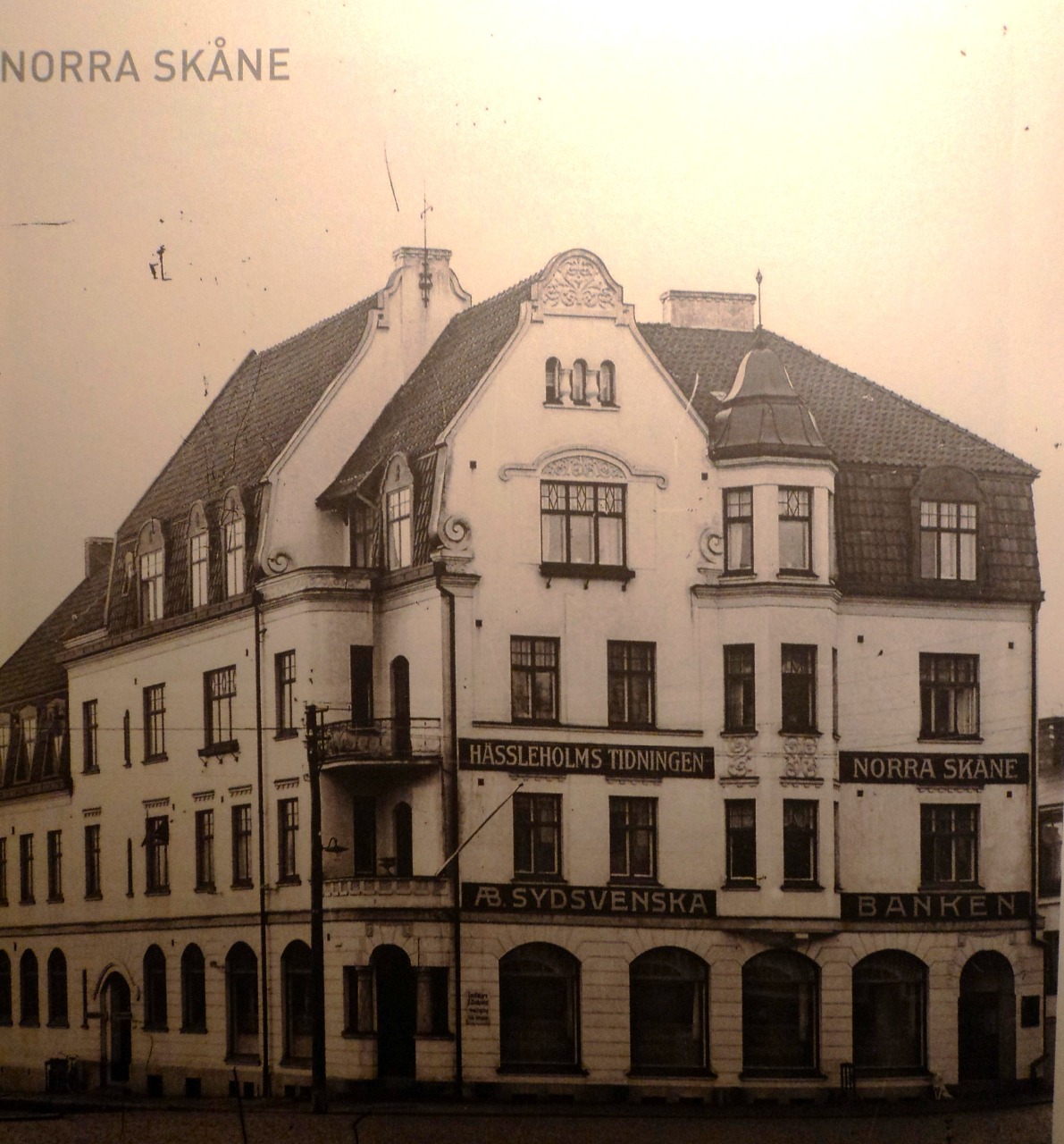
I'm standing on Hässleholm's main square in front of Norra Skåne's impressive building. The image is still blurry. I have not yet properly fallen asleep. I'm trying to move my mind to sometime before 1968, since in those years we were still in school on Saturdays, even though we finished already at noon.
Maybe I'm thirteen years old. After school I used to go up to the newspaper office every Saturday to pick up Father so that we could go down together and have coffee at the nearby Tempo's cafeteria. There I always ordered a Napoleon pastry. I cannot remember what I drank with it, maybe a Zingo, "vanishingly good".
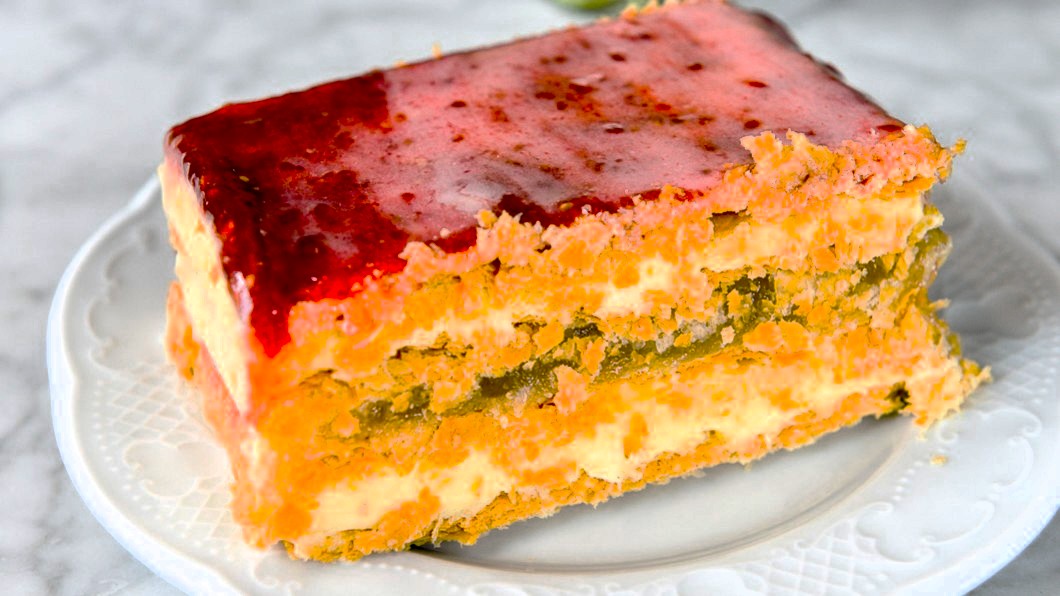
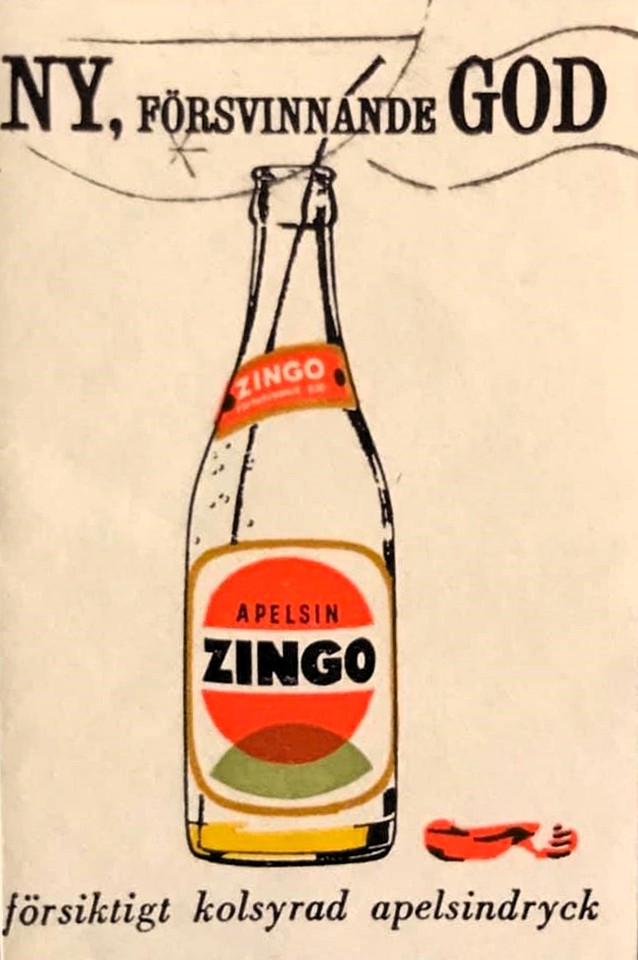
Why did I come here right now? Well, my good friend Örjan and his wife Ida visited us a month ago. Örjan is interested in typography and has recently acquired a used hand-operated printing press, a large set of movable metal types, wooden letter cases, and other printing materials. As I spoke with him, I remembered my visits to Father’s office. He was an old-school journalist and before he ended up in Hässleholm he had worked at newspapers all over Sweden – in Landskrona, Simrishamn, Östersund, Stockholm, Eksjö, and Luleå. Probably also in several other places and I now regret that I didn't ask him more about his life and background.
Father was happiest at local newspapers and preferred to work as a night editor, along with the typographers being a member of what he called “the brotherhood of the night”. Father was fascinated by the printing craft and always displayed a great respect for typesetters and typographers. According to him, the fact that he preferred to work at a rural newspaper and not in a big town was that he there could then get closer to people, get to know them and their everyday lives. Something that was far more exciting and instructive than whirling around in the alienating environment of big cities, where you had to deal with elaborate and incomprehensible chains of events and soon turned into being like all other big sity dwellers – an anonymous cog in the city machinery. Out in the country it was different, there you came to people and they came to you. There you became an integrated part of society and if you did your job properly, not allowing yourself to be corrupted by exploiting your position as a disseminator of information and your task as a social critic, you might become respected and perhaps even liked.
Now, in the painful loneliness of the night, I tried to suggest my way into Father's newspaper world and above all I hoped for a dream that could take me back to the printing presses of my childhood. But the gaps were too big and the pictures I conjured up probably didn't match reality. They were possibly coloured by what I'd seen in the movies. At first, I didn't get any further than a Saturday visit to Father at the newspaper editorial office.
I entered through a side door of the impressive turn-of-the-century building and went up a spiral staircase, which on the second floor passed a rather inconspicuous door with the text Norra Skåne. On its other side was an oblong waiting room with a low table cluttered with fresh newspapers. At the end of that room a door stood open to Father's office. He was the editorial secretary and in many ways the ourward face of the newspaper. Generally, he sat leaning back with his legs stretched out and his feet placed on the desk. With a pipe in his mouth, always filled with Count Hamilton's Mixture, he read some newspaper article or a text one of his co-workers had submitted for review.
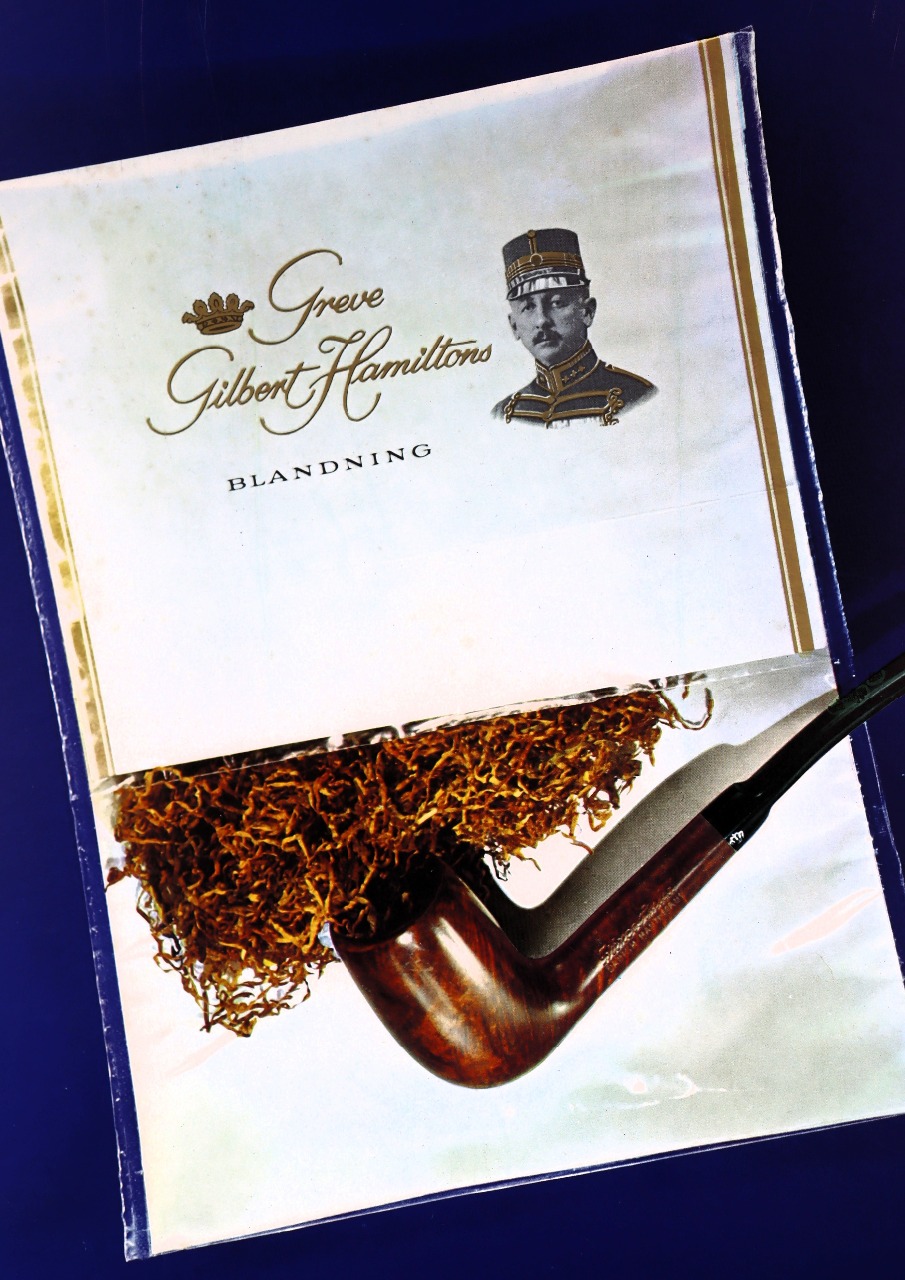
It is possible that Father could have freed himself from his so ingrained habit of smoking Count Hamilton's mixture if he knew (as perhaps he did) that the Count had ended his days as an enthusiastic Nazi friend and personally courted Hitler on his fiftieth birthday with a statuette of Sweden’s “Heroic King” Charles XIII. But Father’s desire to smoke good tobacco had probably overshadowed that knowledge.
Father was conservative in the sense that he liked the way newspapers had been run during his journalistic career. Although he appreciated and favoured younger, more radical journalists who, as I later understood, generally liked him, he did not appreciate at all when they made comments about the paper's archaic editing. He did not think that editors should interfere with the appearance of newspaper pages, he left that to "experienced" typographers and typesetters. When he was approached by young recruits from the Swedish School of Journalism who expressed opinions about the newspaper's archaic appearance, he would answer them: "Why changing something that already works so well? The typographers do their job better than we do. The circulation is constantly on the rise and Norra Skåne is and remains an appreciated and respected newspaper."
He complained about the introduction of the offset technique, which largely shattered the traditional layout that had characterized the appearance of newspapers since the beginning of the century and came to fundamentally change the role and work of typographers, and also make so many of them redundant.
Politically, however, Father was, compared to most people of his age, quite radical. He became irritated when the newspaper’s owners, or other "outsiders", wanted to increase their influence and worst of all change or prevent the publication of material that he had allowed younger and more radical journalists to pass. "If they think they put me on the potty, they are wrong. Here, only truthful and unbiased journalism is the rule of the day!"
Father was always happy when he saw me and immediately got up from his seemingly awkward position. His office was separated from the editorial staff room by a brown wooden wall, which upper part was covered with glass. This allowed him to look into the open-plan office of the other jounalists, which was separated by an elongated teleprinter room where three, constantly chattering teleprinters fed out yellow rolls of news from TT, Reuters, AFP, UPI, TASS, and others. There was also an occasional clattering from the typewriters in the newsroom, but in there the journalists were most of the time sitting on their desks, discussing among themselves. It also happened that Father forced himself up from his half-lying position and wrote on his machine. Like I do now, he wrote quickly with two fingers.
Before we went down to Tempo's cafeteria, Father, with me in tow, made a tour of the editorial office and finished with a check of the teleprinter strips.
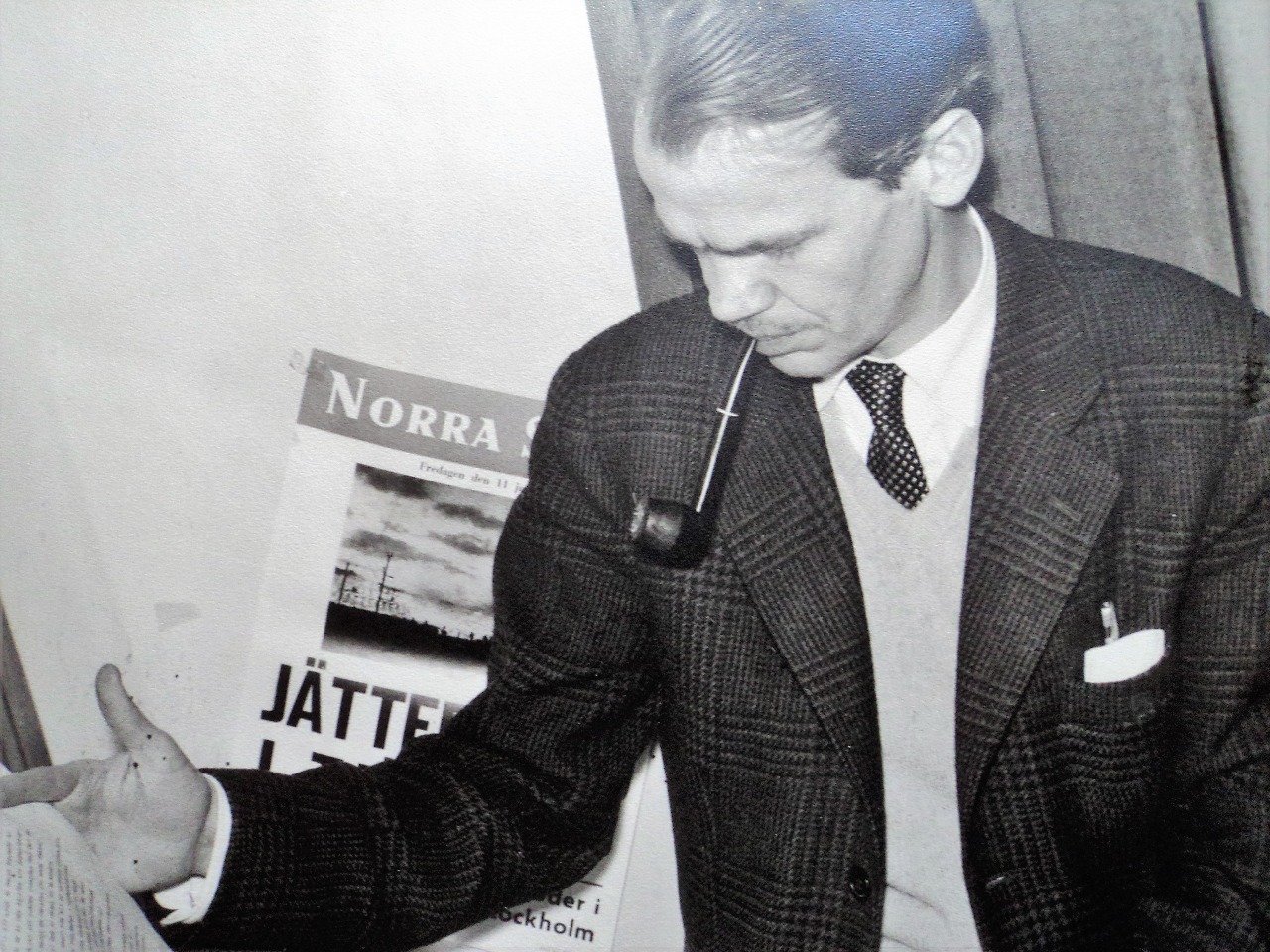
It works! Admittedly, I still cannot fall asleep, but my writing replaces sleep and I forget my painful surroundings. Resting my head against the pillow I close eyes and enter the room of the large rotary press that by itself occupied a large space, with a full window facing the street. An old-fashioned machine press, an artefact originating from a time we now call steampunk, with its black, oiled wheels and rods, if started, it brought out a stream of newspaper copies, which were efficiently bundled together to be carried out to breakfast tables in the early hours of the morning.
Before Father became editorial secretary, he had been night editor and he then ruled over the newspaper's nocturnal world. I seem to remember how he stood by the press when the first printed newspapers were appearing, picking up a copy to check if everything was in order. Before that, he had generally sat and drank coffee and played cards with typesetters and typographers, when they had not been engaged by the large typesetting machines. A loud signal warned them all that it now was time to start the press.
I also have a faint memory of a more manual work where the typesetters stood at worn tables, picking metal types from an equally worn letter cases and arranging them in the matrices of newspaper pages. I also remember how the convex metal discs with newspaper pages were arranged on the huge press’ rollers.
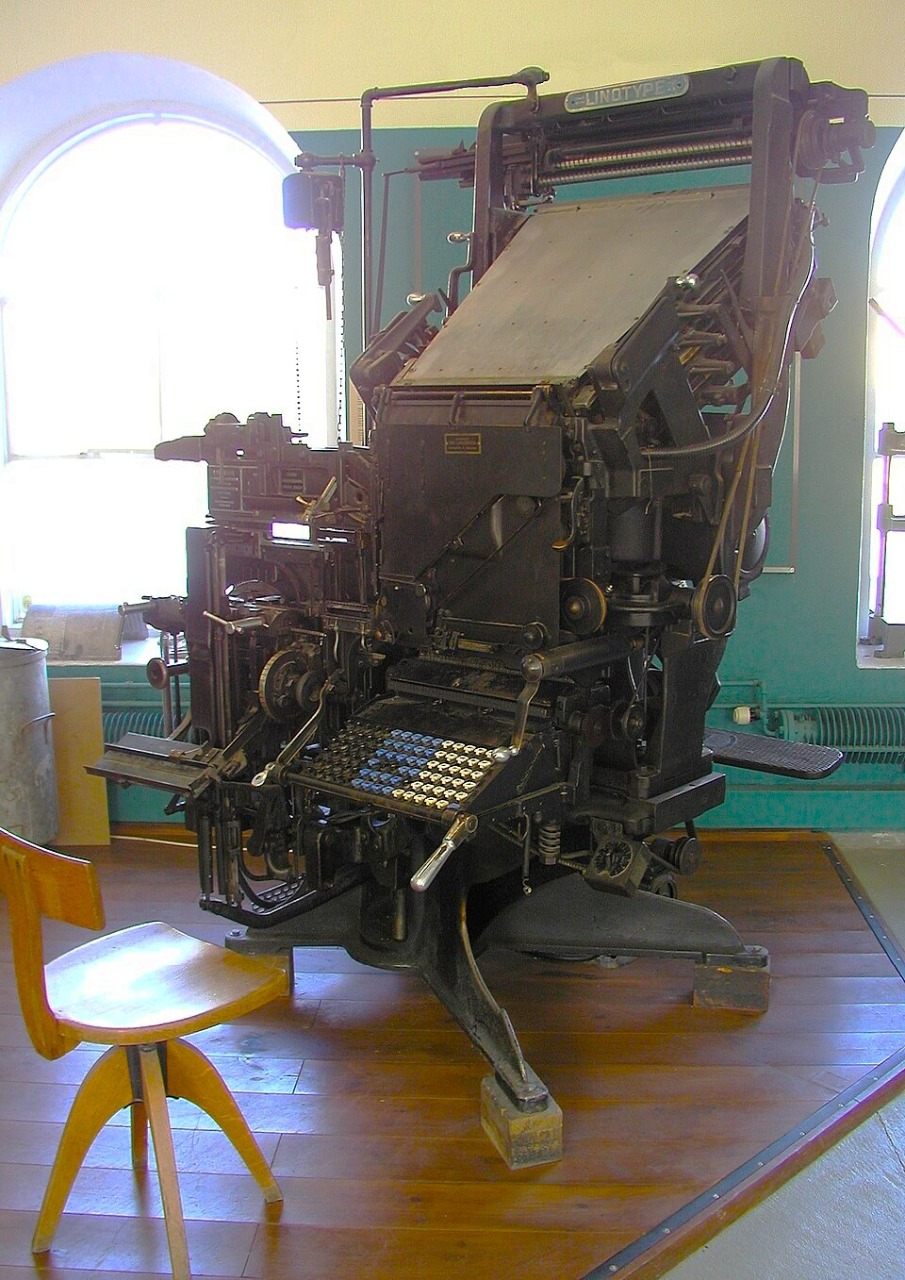
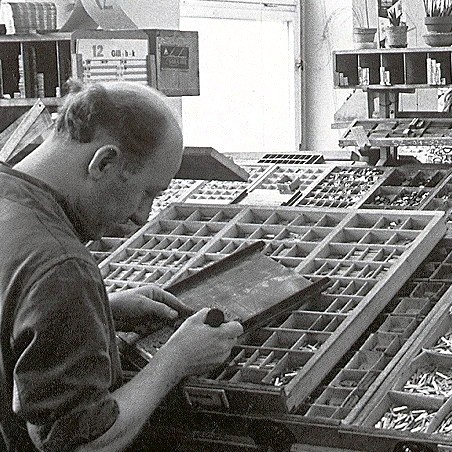
If it was spring and summer time, free from wind and rain, it often happened that Father together with the typographer Hugo Bengtsson cycled down to his garden, which was not far from our apartment, to sit among greenery and birdsong and enjoy how the night turned into early morning. If I ever woke up in the night and tripped into the living room, I usually found that Father had come back home and sitting in his armchair, within the circle light of the reading lamp, being immersed in a newspaper, or book.
As I now try to remember what I think I have seen and experienced, it seems to me that Father has taken me with him to see and experience the work of the night and the daily routines of the editorial office to make me realize the magic of his profession.
For the same reason, he probably took me up to Olle's photography studio at the top of the newspaper house and let me experience the miracle when images emerged in the darkroom's rinsing baths, how a piece of paper was immersed in a chemical mixture and how an image then magically emerged. Pure alchemy.
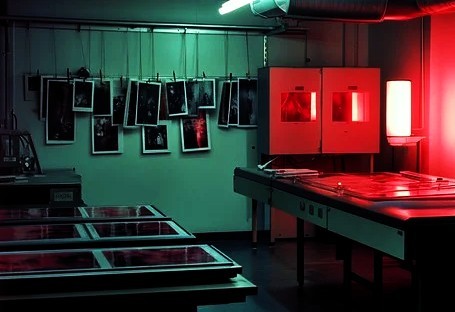
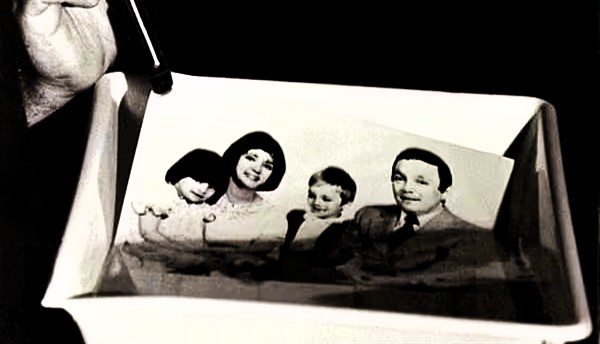
I have sometimes wondered why Father, who had obviously loved his role as a newspaper editor at a provincial newspaper, after his retirement almost completely withdrew from all company and spent most of his time in front of the TV, or with the closest relatives – me, my sisters and our families – or out in the garden, which was for the most part enthusiastically tended by my mother. He had previously liked to dress up, walk through the city or to sit reading in the public library and in the meantime stop and talk to a lot of people, known or unknown to me.
He was a well-known personality, although on reflection he did not have much company outside of his work and stubbornly refused to participate in any kind of association activities, in that sense he probably reminded a lot of me, who likes to be at the centre and perform, but otherwise is a rather withdrawn person.
As I lie here in the hospital room and think about the mystique of the old newspapers – the typewriters, the teleprinters, the photo department, the printing press, the typesetting machines, the telephones that rang again and again, the number of visitors, the absence of computers – I understand that I had witnessed something that no longer exists. At that time, journalism meant a closer contact with people; a tangible craftsmanship, dependent on a tangible technique. A newspaper was like an anthill, where tasks were both coordinated and efficiently separated, where people worked closely together. By the time of his retirement, Father had found himself at the crossroads of new and old times. Without the clattering machines, without the mystique of hand-on manufacturing, through the introduction of computers, journalism underwent a total sea change. Father didn't keep up and knew it. He didn't like computers, the loss of the camaraderie with the typographers, the tangibility/craftsmanship of newspaper production. Unlike his older colleagues, who constantly showed up at the editorial office after their retirement, Father stayed at home He did not want to experience the major changes his profession was undergoing. I think about this as I lie here typing on my computer – soon something similar will happen to me as I have reached and even passed, the age when Father withdrew.
My painful night was softened by my writing and reading. With AI's entry into everyone's lives, such activities will become increasingly rare. My father was a creative person. Journalism gave him inspiration, to him it was a rewarding, creative activity. Now information is also coming to us in the form of a pre-packaged product.
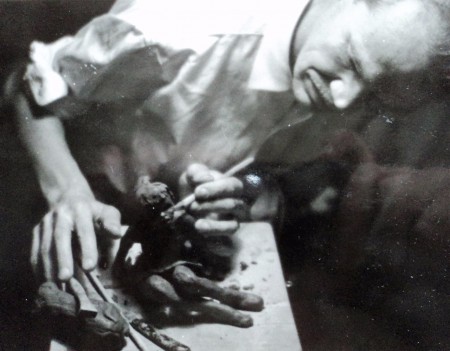
Father liked a printing press, the mystique of a photo laboratory, just as I am fascinated by books and records and refuse to deal with e-books and Spotify. Shelves with books and DVDs create life and presence around me. Maybe it is the lack of such things around me that has already made me homesick. In this bare hospital room there are no paintings, flowers, carpets, books and DVDs.
However, now the day has finally come. On the other side of the pulled down roller shutter, the birds are singing, the staff is entering, changing the drip and bringing breakfast. The shutter is pulled up and morning light floods the room. Night is gone.
Topaş, Hasan Ali (2015) Reckless. London: Bloomsbury Publishing.