


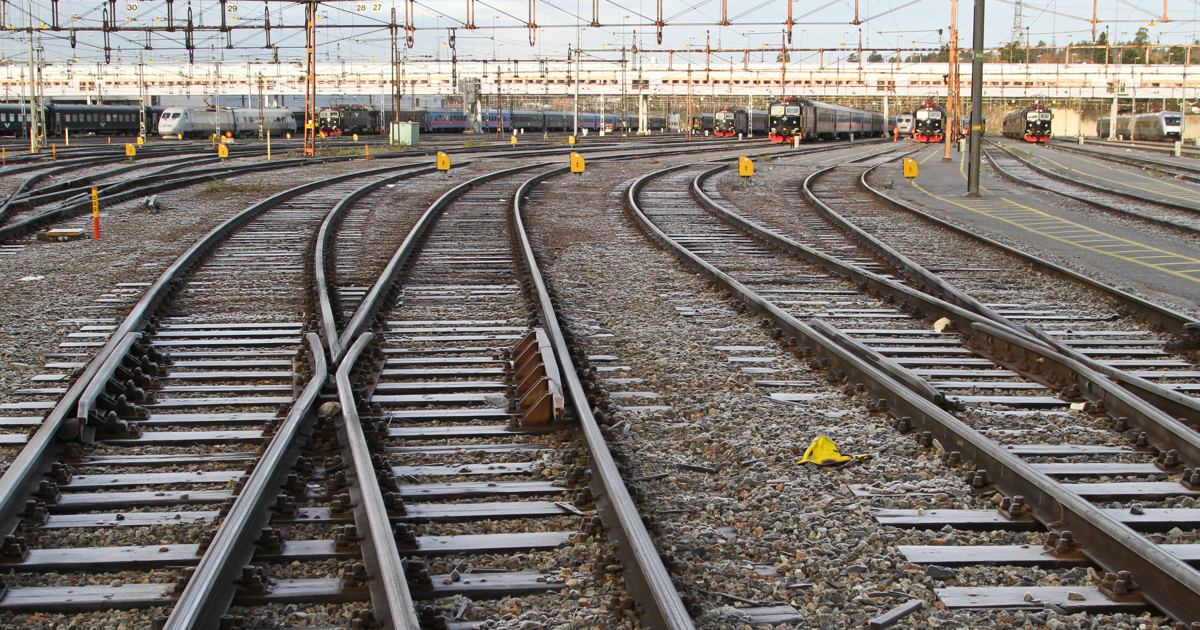
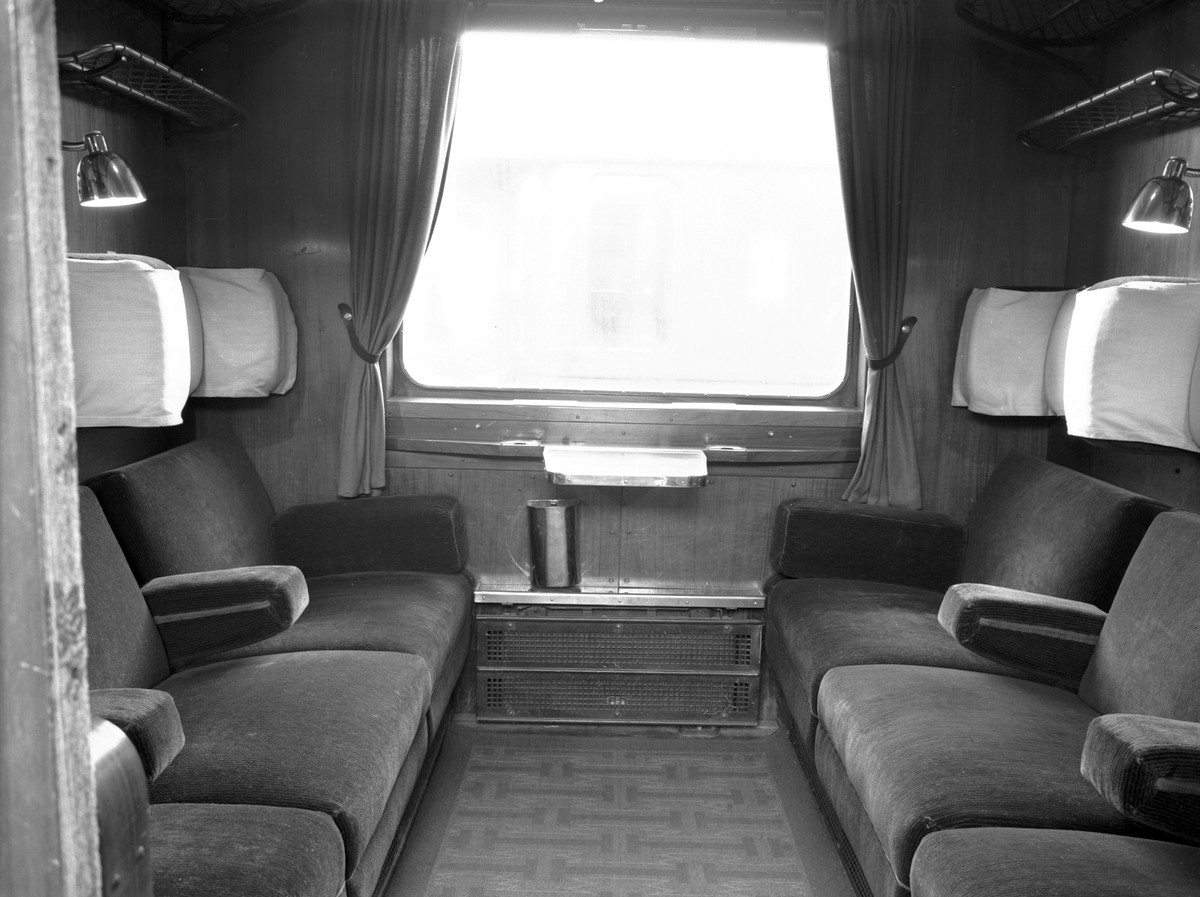
I grew up in a small town where several railway lines met. With my playmates I spent a lot of time on the embankments and it also happened that we sneaked in among the carriages standing on the side tracks. Some of them were unlocked and we enter the empty freight cars, smelling mysteriously of old tarred wood and tell each other ghost stories – or even better – if some unlocked passenger cars had ended up on the sidings, we could climb into them, sit on the sofas in a compartment and pretend we were travelling around Europe. Strangely enough, we were never caught during these forbidden games.
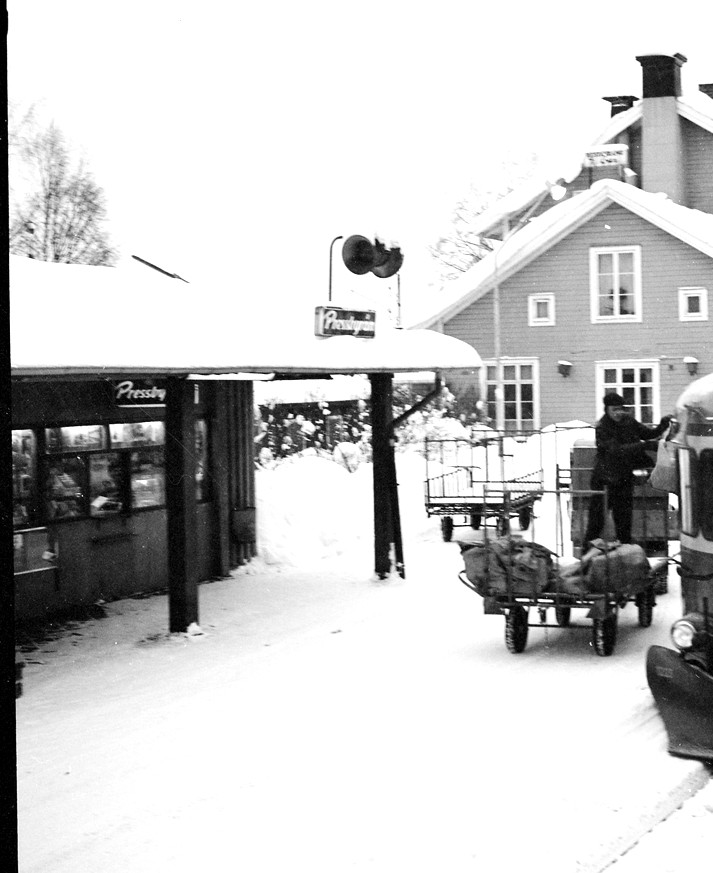
When I was in high school, I worked with my friends Didrik and Stefan as a mail delivery assistant, which meant that we carried mail out on Saturdays and during certain evenings worked with mail sorting and transported mail bags between the railway station and the post office. The latter meant that we on the platform waited for the incoming mail cars, helped unloading the mail sacks and then transporting them while driving mail trucks with attached trailers.
.jpg)
My fascination with trains continued during my university years, fuelled by my friend Claes, who was an even greater train fan than I was. A clever, funny, endlessly inventing and not entirely reliable guy, he died before we became thirty, missed by all his comrades. Together with Claes, and also with other friends, I traveled by train around Europe.
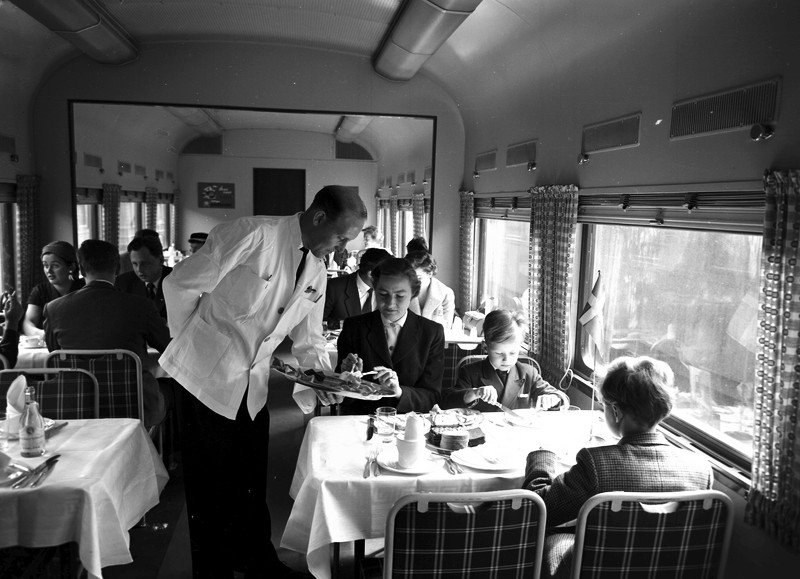
While studying at the university I worked several days a week as a waiter on the route between Malmö and Stockholm. After the morning lectures, I boarded the train in Lund and changed into a uniform: black trousers and a white jacket with black, gold threaded shoulder flaps. Sometimes I worked in a "big carriage", with a kitchen and tables laid out with white tablecloths and porcelain plates, or in "two rooms and a kitchen", with a café and a restaurant section, then only in the company with a generally nice young lady and much simpler plastic-wrapped food offerings, which were heated in a microwave.
The above might be a possible reason to why trains are so common in my dreams. Often, I follow someone through my home town down to the station, generally my sisters. When we arrive, there is chaos and confusion and we miss the train we were supposed to board, or get on the wrong train. Just as often I wander around in large stations searching for the right track and if I find it, I drag my luggage onboard a carriage, get out again to say goodbye to a friend or relative, and while I am doing that the train pulls away from me with my luggage onboard. In general, most of my dreams about trains turn into nightmares and the reason to why I am writing down these thoughts about trains is because I just woke up after a night of disturbing train dreams. I assume I had several nightmares, but the last one I remember quite well:
Together with my wife, I had just stepped off the train in my birthplace – Hässleholm. We were both much younger than we are now, so young that our daughters had not yet been born. As we stood on the platform, I noticed that my feet were freezing and found that I was barefoot. I had forgotten my shoes on the train and had to hurl myself back into the carriage, which we had just left. A friendly, female conductor greeted me and said "It's great that you came back. I took care of your wife's foot-side leather coat and her chic fur-rimmed leather hat. Here they are." She handed them to me, but I now noticed that the couplers were yanking and the train began to move. "I have to get off here," I pleaded with the conductor, but she took a firm grip on one of my arms: "Hold your horses! First, we need to know if the coat really belongs to your wife, and if that should be the case it has to be valued and its worth written down." "How shall I know anything about that?" The train now left the station and its speed was increasing. The passengers pored over me curiously. I still lacked shoes. "You can't leave the train without validation. What is the coat worth?" "I don't know. Maybe fifty thousand crowns?" The conductor laughed ironically. "This one? It is worth a thousand crowns … at most." "But it's tailor-made in New York. We bought it from the furrier himself. It is fur-lined and still just like new. My wife is very careful with all her clothes" "We have to find the train host. You cannot get the coat back unless you can prove that it is really your wife's property, and if you persist in insisting that it is as valuable as you say it is. Join me now. Hurry up!" The conductor could not tolerate any contradictions. She resolutely took my wife's coat and cap and then walked briskly in front of me, through carriage after carriage. We staggered on the vibrating metal plates in the connections between the different carriages, where the wind rushed through leaky, accordion-folded walls. Forcefully, the conductor tore open the heavy sliding doors between carriage compartments.
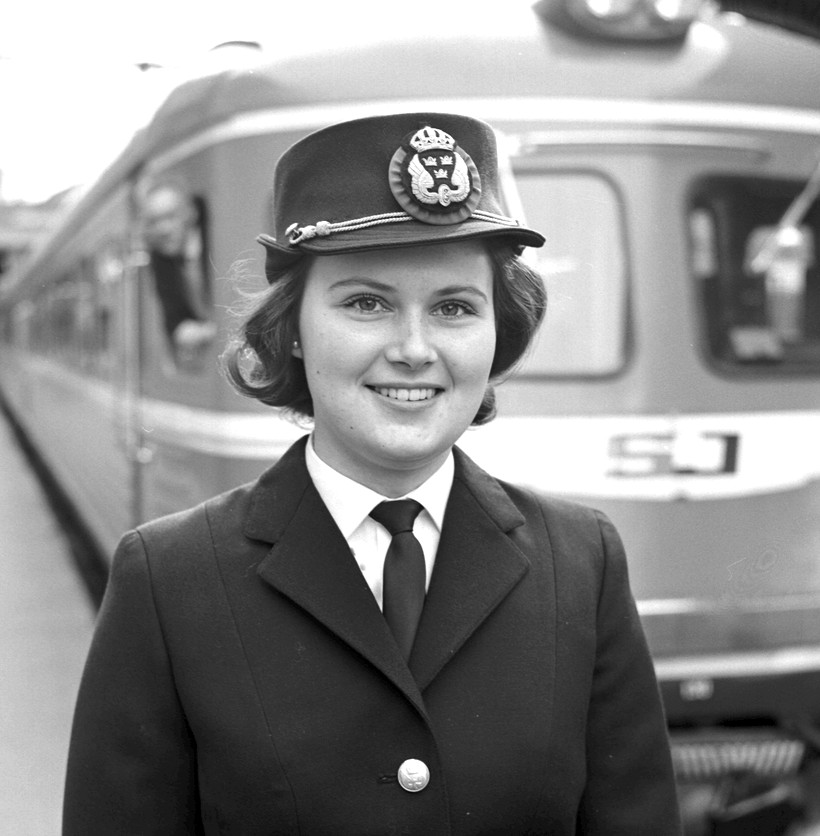
Where were we going? Where was that train host? I made a mistake. Government officials, especially those who have no other power over anyone but their uniform, under which they can conceal their precarious insignificance, tend to be dangerous. They have their strength, their self-importance, through power bestowed upon them through the authority of others, their superiors. It is such protection that makes them invulnerable and life-threatening. In a society governed by the rule of law, such people can be kept in check by established, democratic rules, but under totalitarian regimes, their animal urges can blossom and turn into unrestrained, ruthless evil
What such people hate most of all is to be touched. Something that makes them equal to their victims. I made such a mistake. To get the conductor's attention, I touched her shoulder and wondered, "Where are we going?" The previously not particularly unfriendly lady turned violently around. Transformed into an aggressive beast, she roared, "Shut up and obey!" Her face was bright red with anger, but I kept my composure and wondered coldly "What's your name? Give me your name." What would happen now? Would she hit me? Kill me. It was a dream. Anything could happen. However, it turned out that the dream protected me.
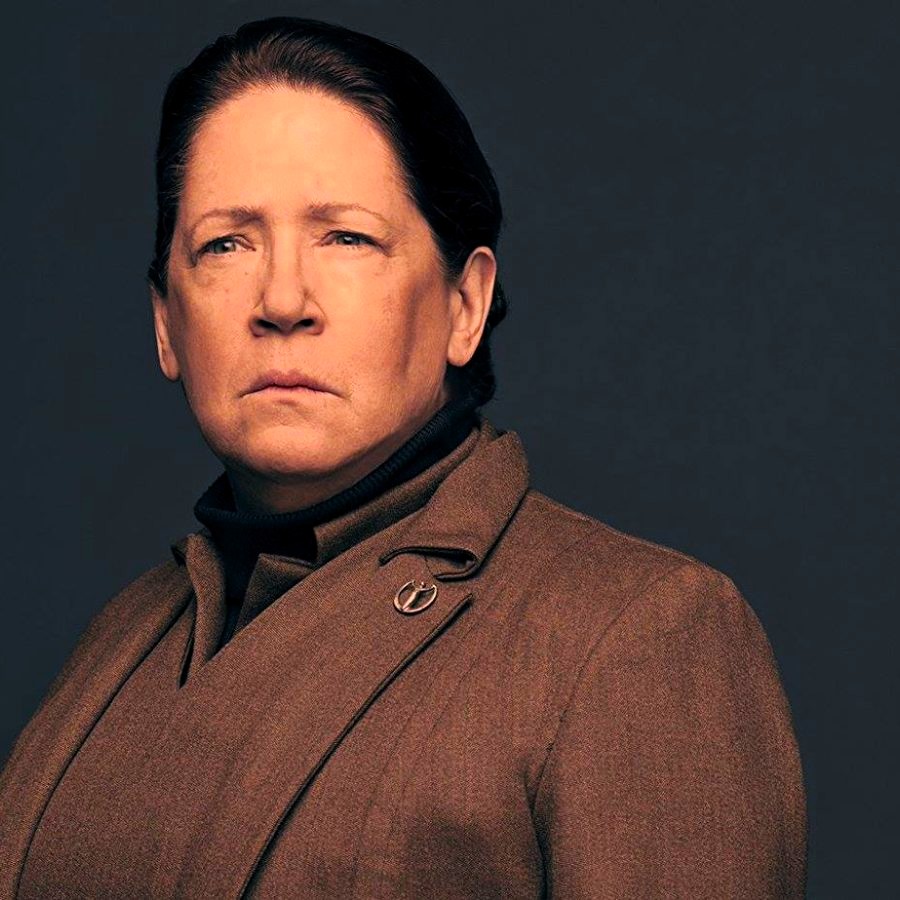
The conductor lady disappeared, and with her my wife's coat. In her place a young lady now walked in front of me, wearing a black skirt and a white blouse, over which a thick black braid swung back and forth. She turned to me; beautiful with rosy cheeks and dark eyes, she stopped herself and looked me over from head to feet, smiling and exposing her perfect teeth: "You can't walk around like that. Your feet are dirty. Take these and change immediately." She pointed towards an empty compartment where I could put on The Traffic Restaurants’ black pants and white epaulette-equipped uniform jacket. I was given a pair of thin black socks and patent leather shoes, while the young lady stood in the compartment opening and watched me while I changed clothes: "So there you go, now you look much more decent than before. We have to hurry to the restaurant car." I noticed that her uniform jacket was embroidered with some kind of Eastern European floral pattern. The shoulder flaps were not real, but also embroidered. She smiled: "Come on! We must hurry!"

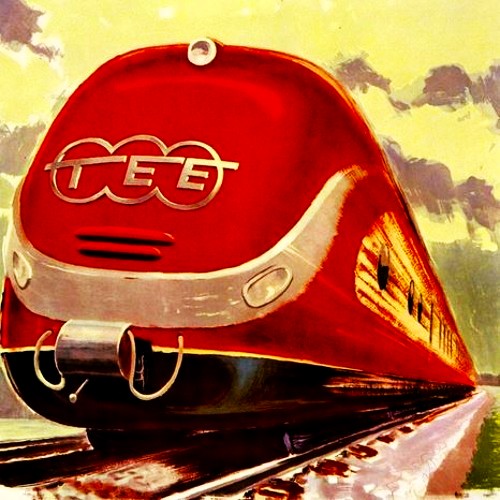
We hurried through wagon after wagon. The trainset seemed to be endless. In rhythm with the wheels hitting the rails, Kraftwerk's song echoed in my head:
Europe endless
(endless, endless, endless, endless).
Europe endless
(endless, endless, endless, endless).
Life is timeless
(Europe endless).
Life is timeless
(Europe endless).
https://www.youtube.com/watch?v=njQZEAWdmTQ
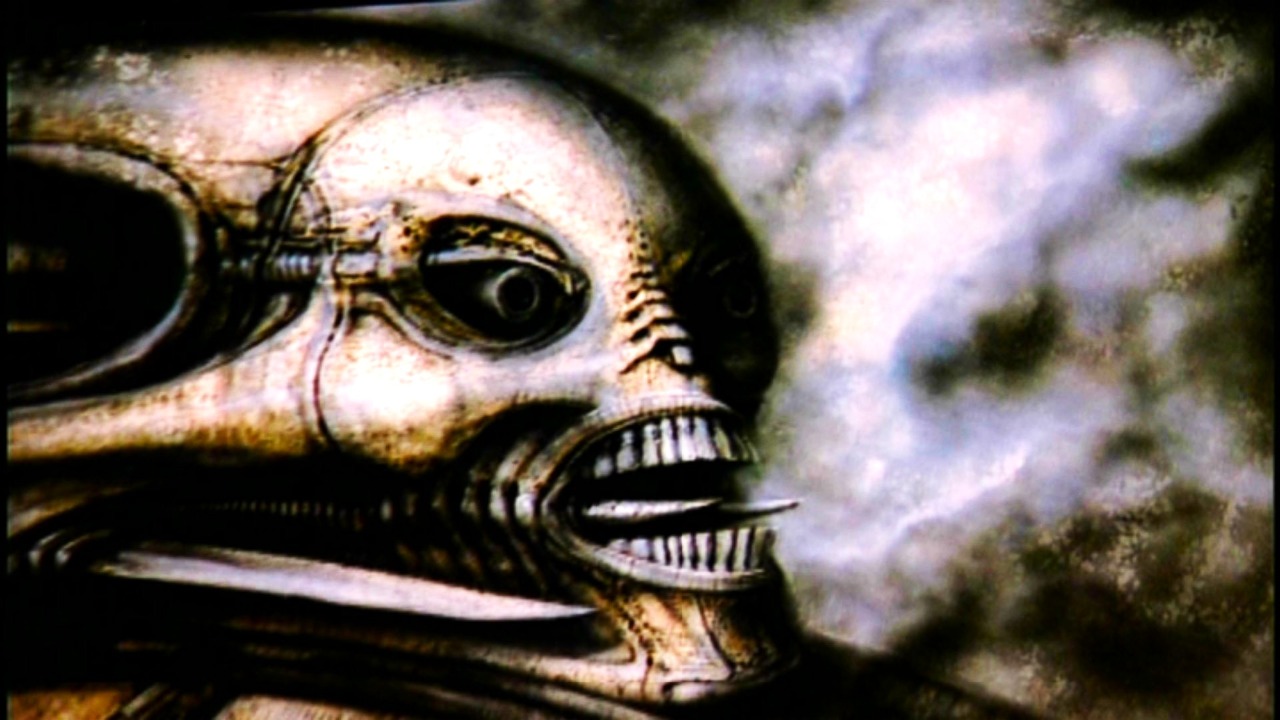
I called out to the young lady, "Will we never get there? Does the train never end? Where are we going?" She stopped and turned around: "Have you really not understood? This train is almost endless. Its final destination is death. We're on our way to Hell." I went stiff with fear: "But why? What have I done?" She beamed her beautiful, open smile: "On this train, we are all innocent. That's not the reason to why we're going to Hell. Others have decided that for us and no one knows why." That's when I woke up and even though someone has told me that no one is interested in other people's dreams, I couldn't help writing down what I experienced during the night, since I suspect that the train was taking me to something I had read and been upset about.
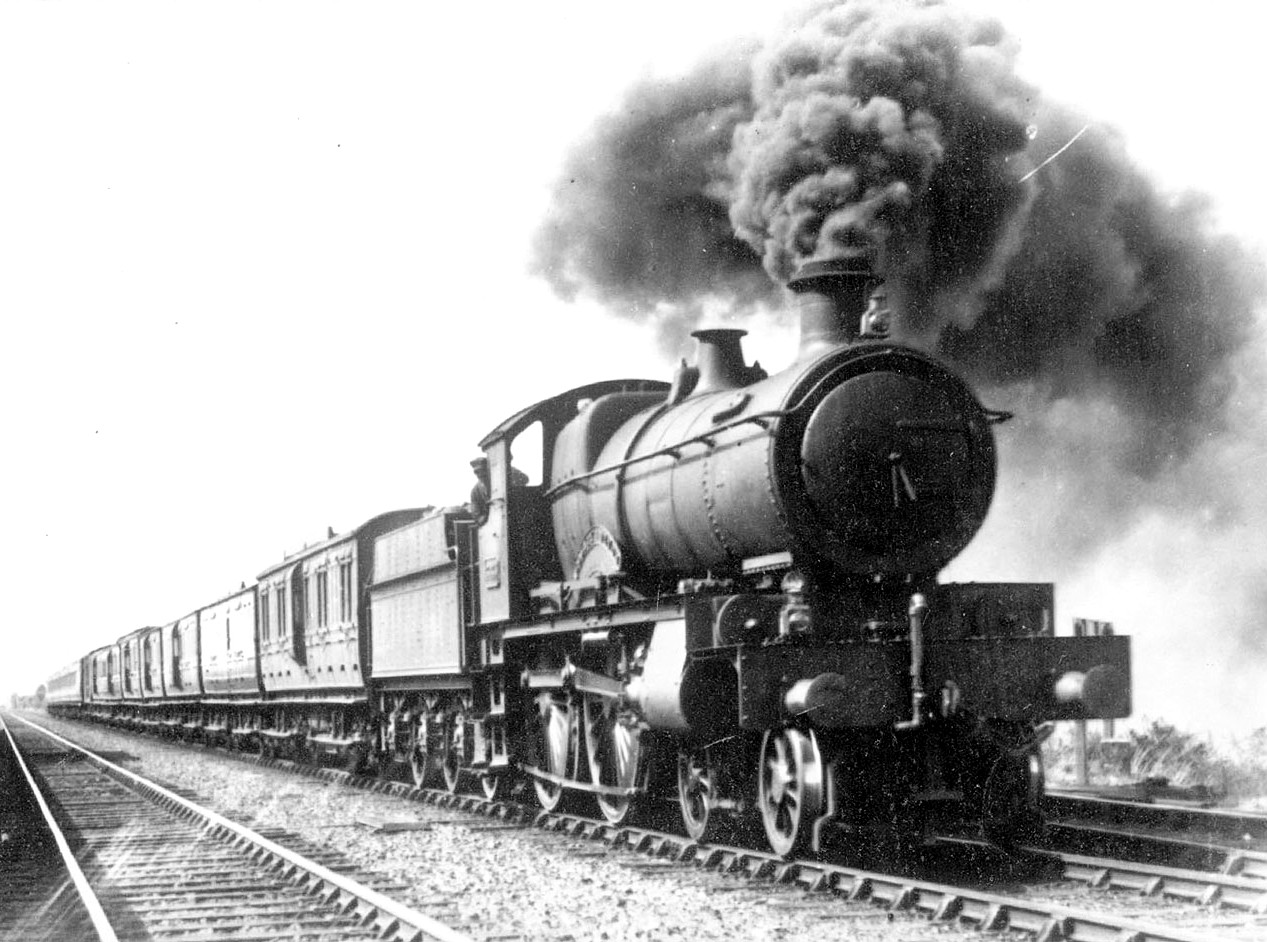
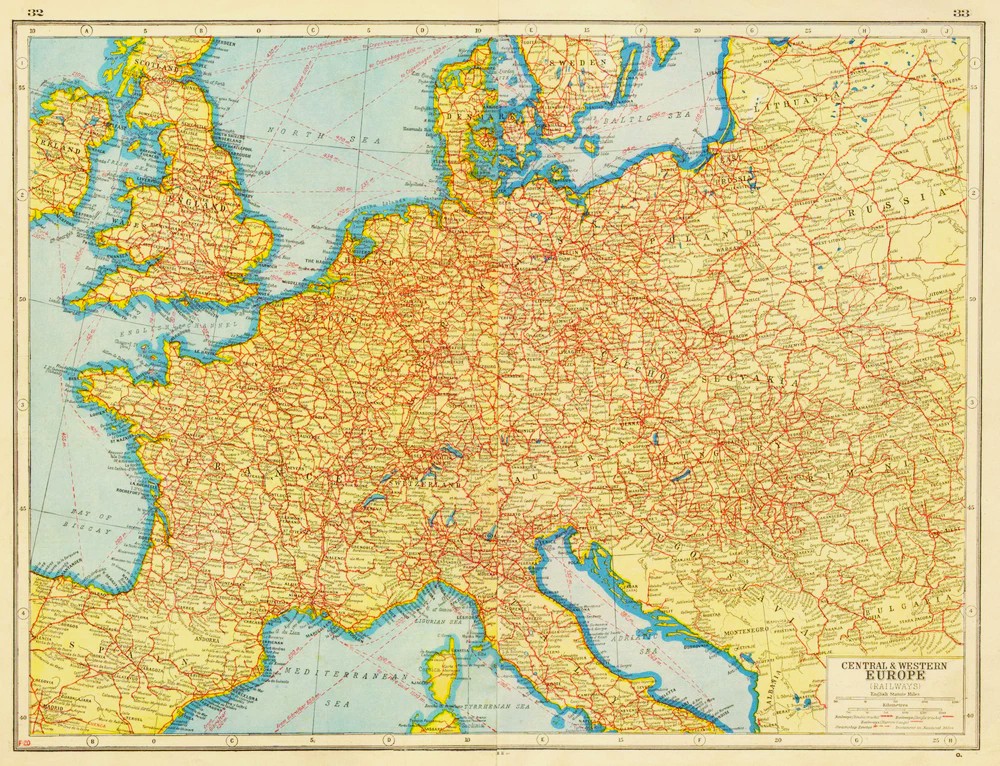
By the beginning of the twentieth century, railways crisscrossed Europe, like veins bringing a steady stream of people and goods to every corner of the continent.
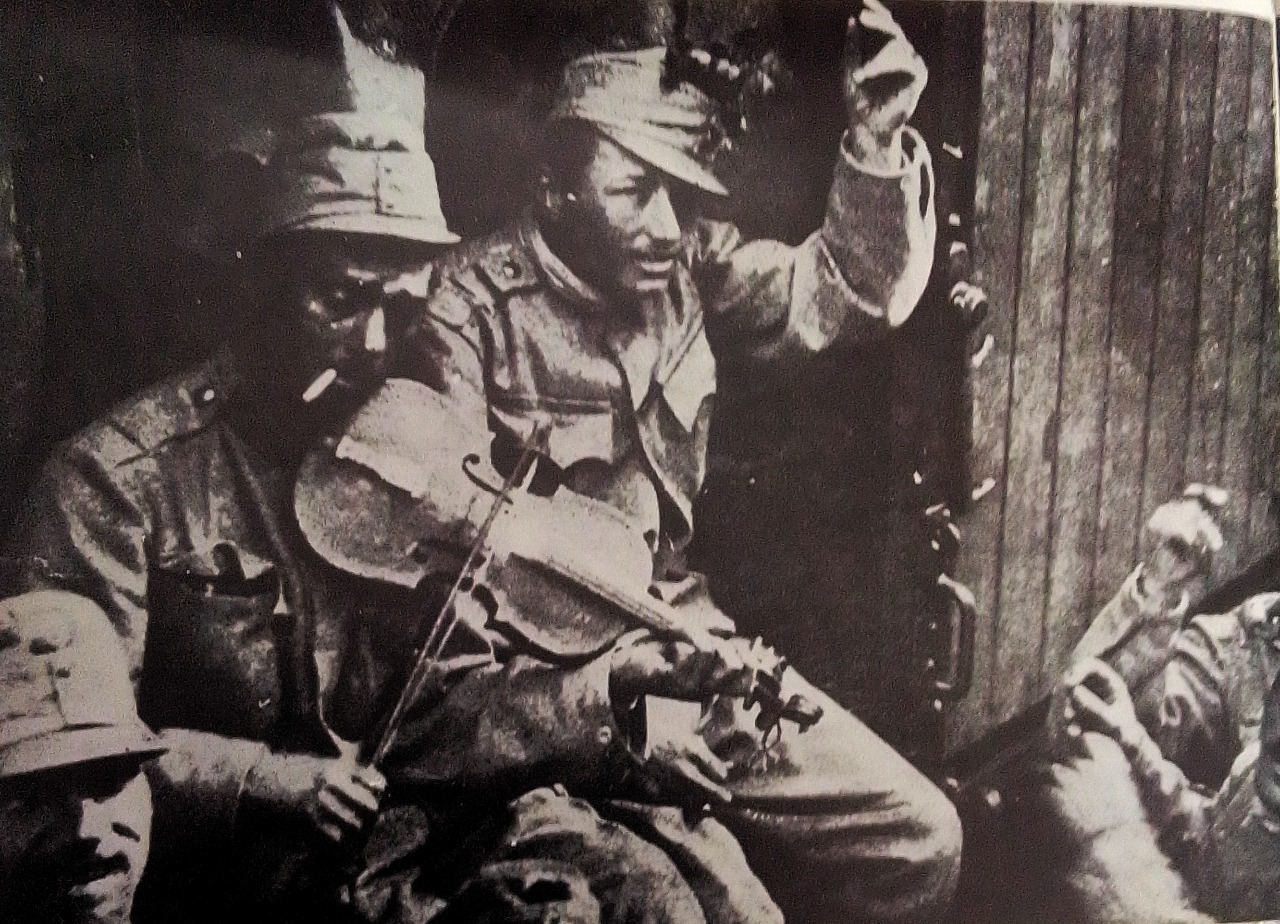
When the war came, trains brought scores of soldiers to their suffering and death on various slaughtergrounds. Like these drunken Austrian soldiers who in 1914 are to be transported to the Russian border areas.
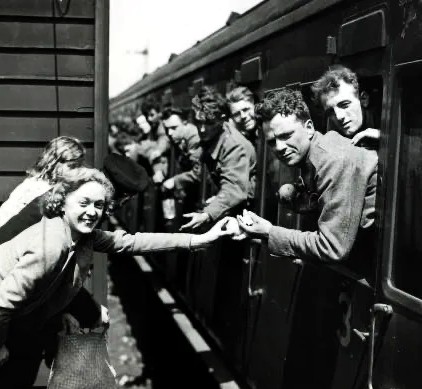
Scenes that would be repeated during the Second World War, when other young people were taken on the trains to other battlefields.
Many died in the cold and mud, others were captured and taken to camps where several perished as a result of malnutrition, beatings and cold. It was worst during World War II, when an estimated six million Soviet prisoners of war were captured by the Nazis, many of them taken by train to a painful death. Three million Russians died during German captivity.
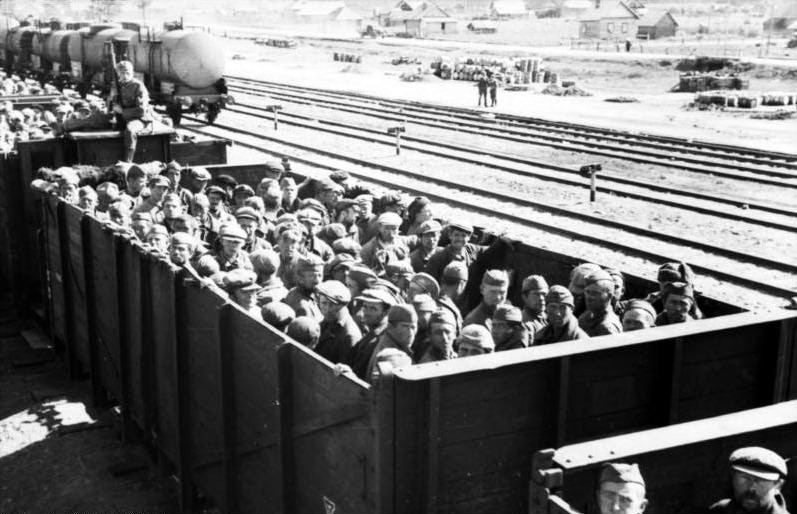
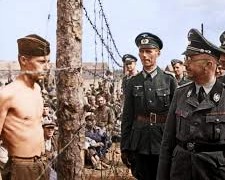
Soon it was the turn of the German prisoners of war, more than a million of them died in Soviet captivity.
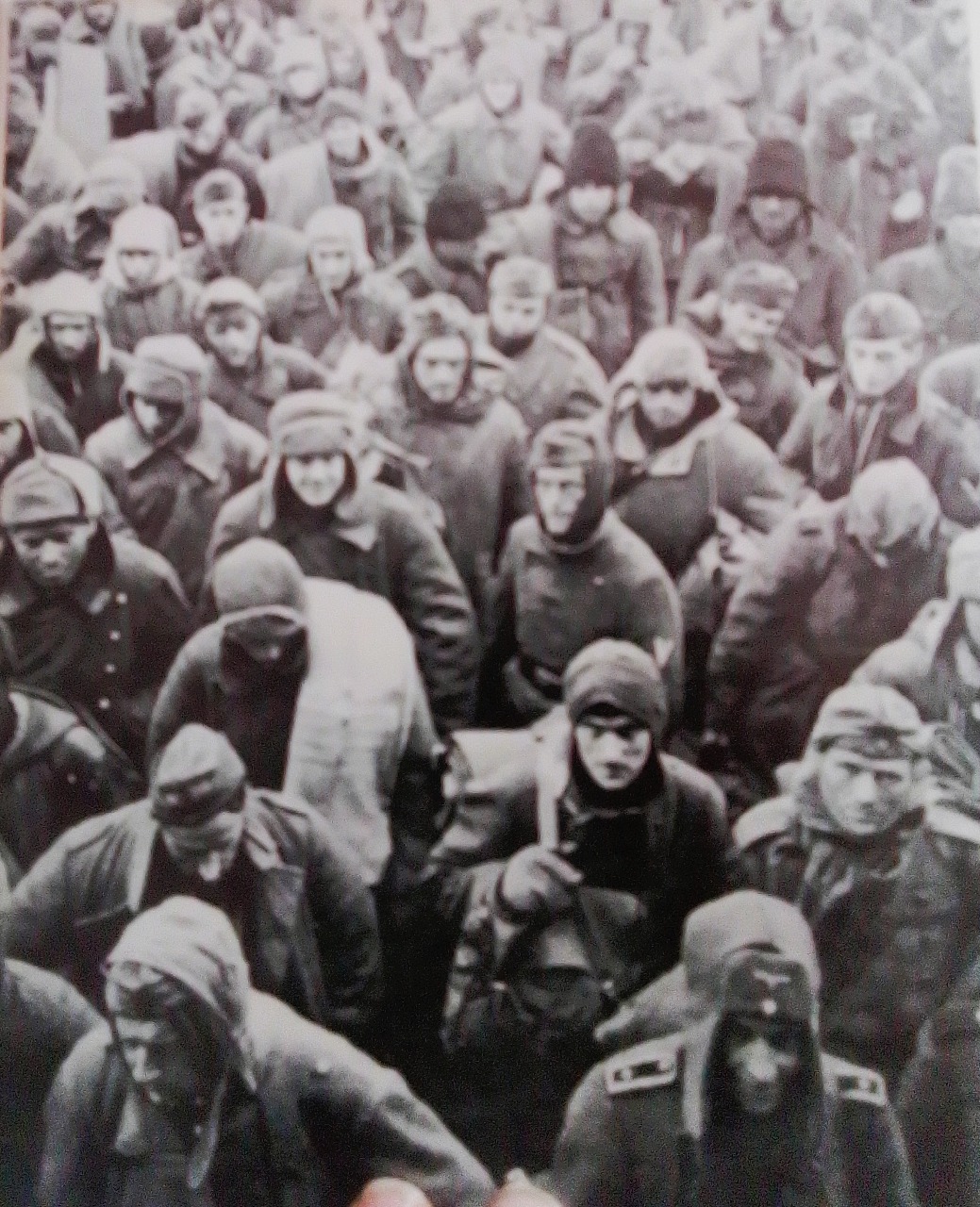
Such high numbers become incomprehensible, impossible to grasp; they are abstract, hiding people's suffering behind them. However, they are not insignificant. As in the Swedish poet Göran Sonnevi's On the War in Vietnam: "The dead are numbers that rest, swirl like crystals in the wind over the fields".
Before and during the war, freight cars rolled through the vast Soviet Union, filled with desperate people. Trains that had been set in motion by the power-drunk madman Joseph Vissarionovich, who named himself Man of Steel – Stalin. His senseless cruelty makes me doubt his humanity. Like Osip Mandelstam when he in his famous Epigram depicted the all-powerful as a bloodthirsty mountain ogre:
We are living, but can’t feel the land where we stay,
more than ten steps away you can’t hear what we say.
But if people would talk on occasion,
they should mention the Kremlin Caucasian.
His thick fingers are bulky and fat like live-baits,
and his accurate words are as heavy as weights.
Cucaracha moustaches are screaming,
and his boot-tops are shining and gleaming.
But around him is a crowd of thin-necked henchmen,
and he plays with the services of these half-men.
Some are whistling, some meowing, some sniffing,
he’s alone booming, poking and whiffing.
He is forging his rules and decrees like horseshoes –
thrown into groins, into foreheads, in eyes, and eyebrows.
Every killing is for him a delight,
his Ossetian torso is wide.
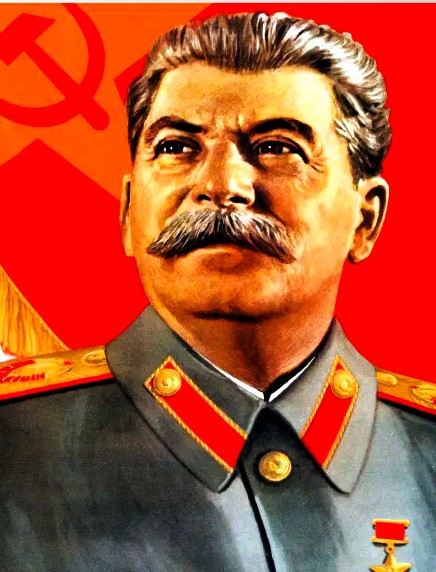
I might still come across people who believe that this lunatic's cruelties were justified, well-read people who consider themselves to be compassionate, becoming outraged by the sufferings of persecuted and desperate people of our time. I am amazed at how it could be possible for such obviously crazy psychopaths as Hitler and Stalin to have a murderous grip on entire countries in their iron grip and inspire their henchmen to commit the most horrible abuses against their fellow human beings.
However, we can look at our own time and be amazed at the crimes committed by men like Trump, Netanyahu and Putin and how they can nevertheless maintain the admiration and support of people around and below them. It must be the case that people are dazzled by power and that so many strive for it for themselves.
Recently, I read Caroline Moorehead's biography about Mussolini's daughter Edda. Moorehead gives an excellent description of Rome's fascist coterie – its lavish parties, promiscuous love stories, the spying on each and every one, as well as the devotional submission to its leader Benito Mussolini. It was from such circles that terror bombing, the use of deadly mustard gas and unrestrained massacres in Abyssinia originated, as well as mindlessly insane and poorly planned war enterprises with millions of victims as a result. People who moved in such company evidently had only their own welfare in mind and were completely blind to the suffering they were contributing to.

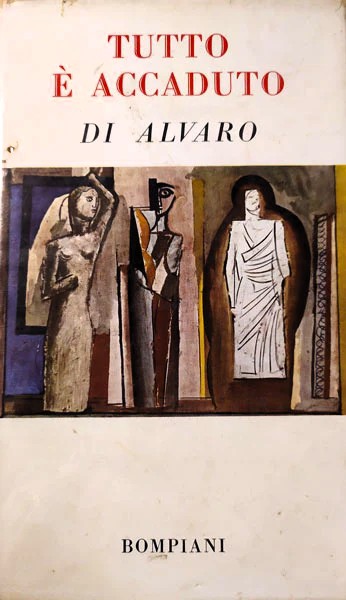
After reading about Edda Mussolini and her husband Galeazzo Ciano, I read Corrado Alvaro's novel Tutto é accaduto, Everything Has Happened, which takes place in the circles where Edda and Ciano moved. Alvaro described in detail how in these salons
the great abilities that found expression in the pages of newspapers, without a face, here assumed a known aspect. They became individuals with names and presence, history with its disasters and storms thus became transformed into names of people – into characters, sentences pronounced during dinner, or after it, personal coincidences and connections, characteristic features. Sympathy and antipathy ended up at the centre of history, the fate of a nation became tied to a courtesy, or an insult.
It was and is in the closed and extremely limited spaces of power that death and misery for millions of people are decided.
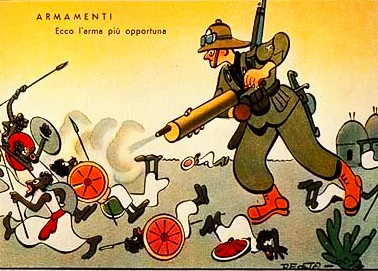
State-sanctioned discrimination and violence, preached in places such as fascist Italy and Romania, in Nazi Germany, the Soviet Union and Rwanda, have generally led to unbridled brutality and genocide, with ideologically infected and motivated hooligans distinguished by unbridled sadism and conceit. Willing executioners are always and everywhere at hand.
Take, for example, the mass deportations ordered by Stalin, which led to men, women and children being forced into freight cars destined for distant Central Asia or Siberia. It was estimated that there were six million people, most of whom were completely innocent of any crime.
Between 1930 and 1931, 1.8 million kulaks, i.e. self-owning peasants, were deported, and from 1932 to 1939 another million ethnic minorities (Balts, Volga Germans, Ukrainians, Moldovans, Finns, Poles, Greeks, Turks, Kalmucks, Koreans, Chechens, Crimean Tatars, etc., etc.). A madness that was increased between 1940 and 1952 by another 3.5 million deportations. The massive displacements that took place during the war hit the elderly, women and children particularly hard, as most family fathers, regardless of their ethnic background, were fighting along the front lines to stop the German invasion.
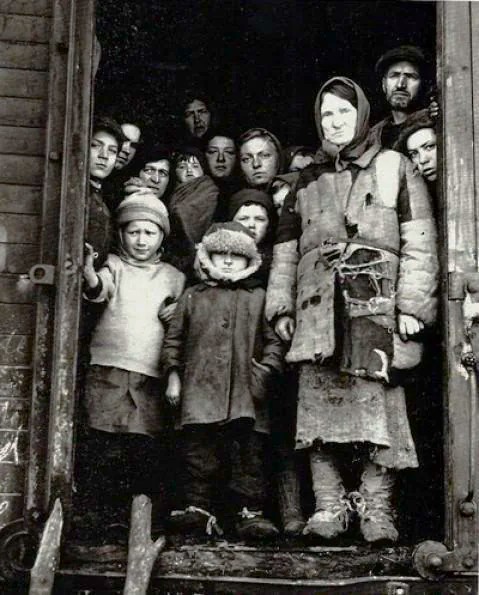
Deportations were not carried out in secret, most of these forced displacements were carefully recorded so that they could be appreciated by the Kremlin residents. However, some operations were brutally chaotic, while others were carefully planned. With the explanation that they would be brought to safety before the arrival of enemy armies, many people were pushed onto waiting trains. A Volga German woman, a member of an ethnic group that for centuries had lived in and cultivated the areas around the Volga, met an NKVD guard during a break in the strenuous train travel:
When told we were Volga Germans, he was quite surprised; then he informed us of the mass evacuation of our people, and that several families of his community, in which we had halted, already were enroute to the Volga to occupy our homes – homes completely furnished, farmyards with domestic animals and machinery, potatoes to dig and cabbages to harvest – in fact, everything to start life there.
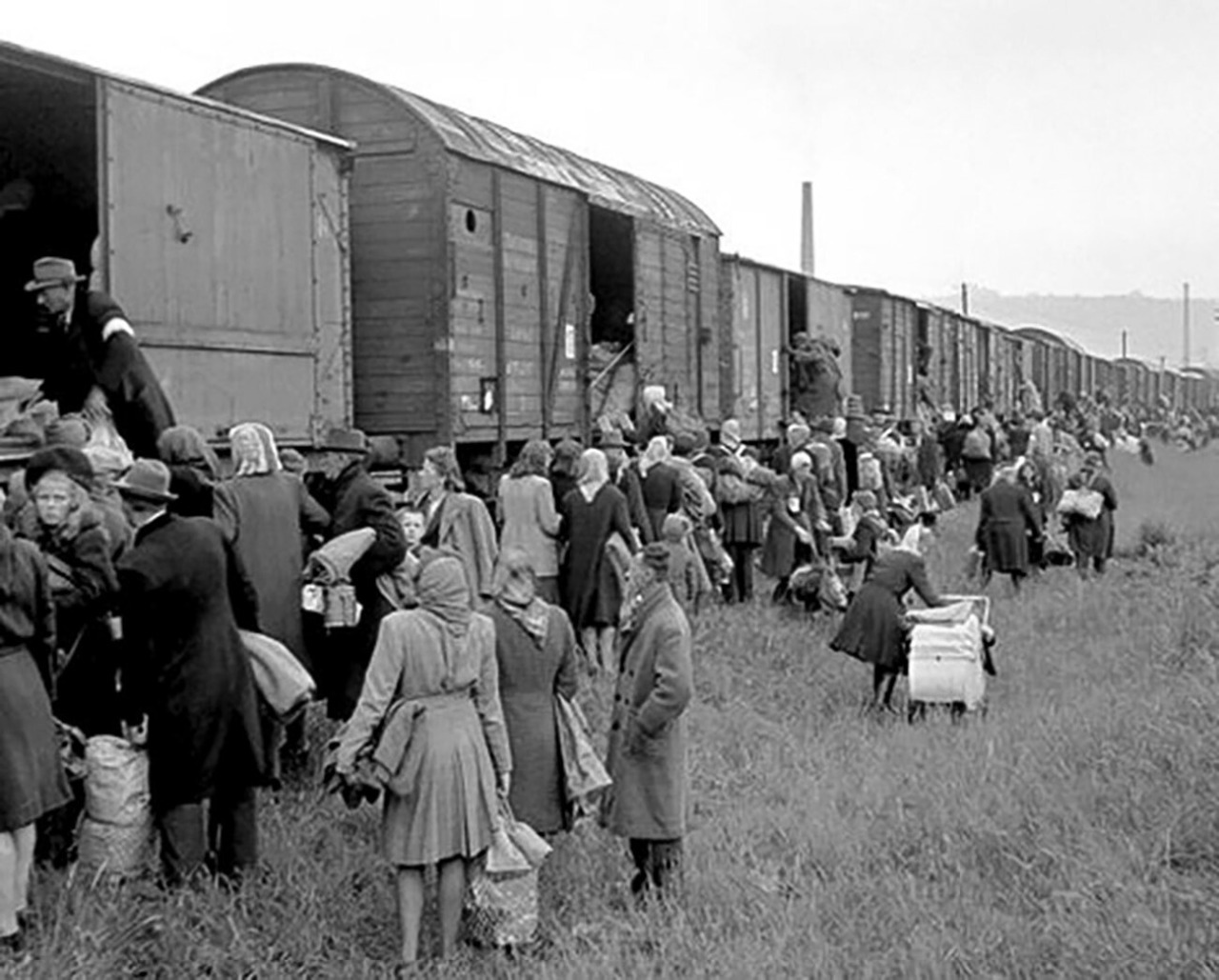
The expulsion of the Volga Germans was completed according to plan by the end of September 1941. According to Soviet statistics, the total number of forcibly exiled Volga Germans was about 950,000. However, the actual number of victims is much higher. It took 151 train convoys to carry out the first deportations of the Volga Germans.
In general, the deaths and number of deportees were significantly higher than the official figures, but Soviet authorities had as an example carefully documented 390,000 deaths in connection with the kulak deportations of 1930–1931.
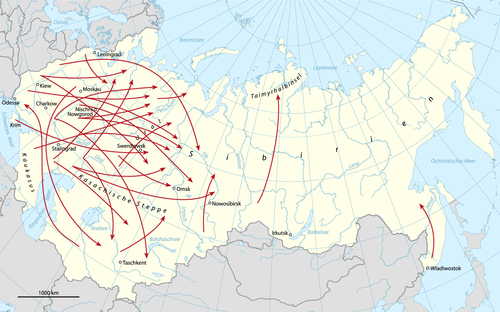
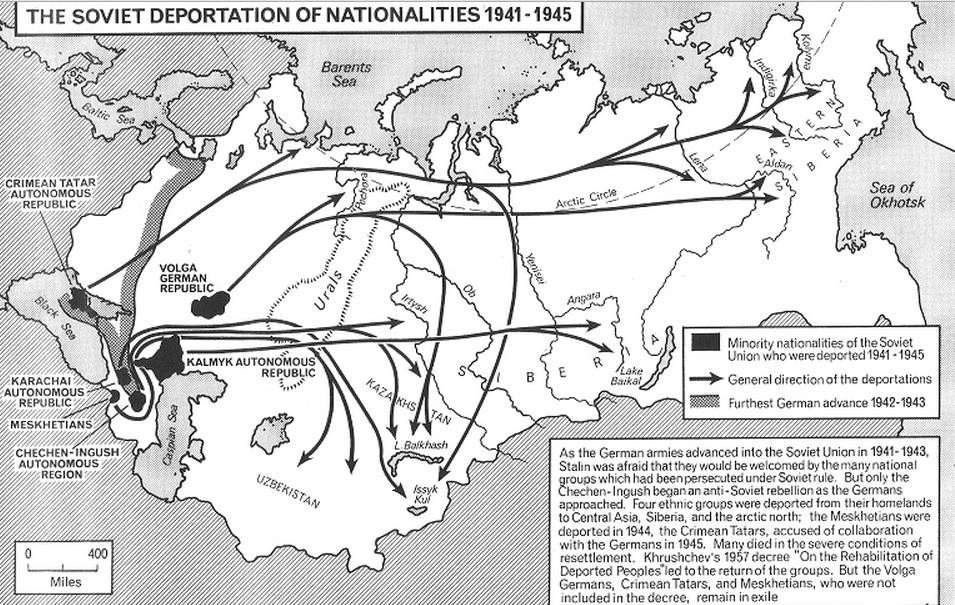
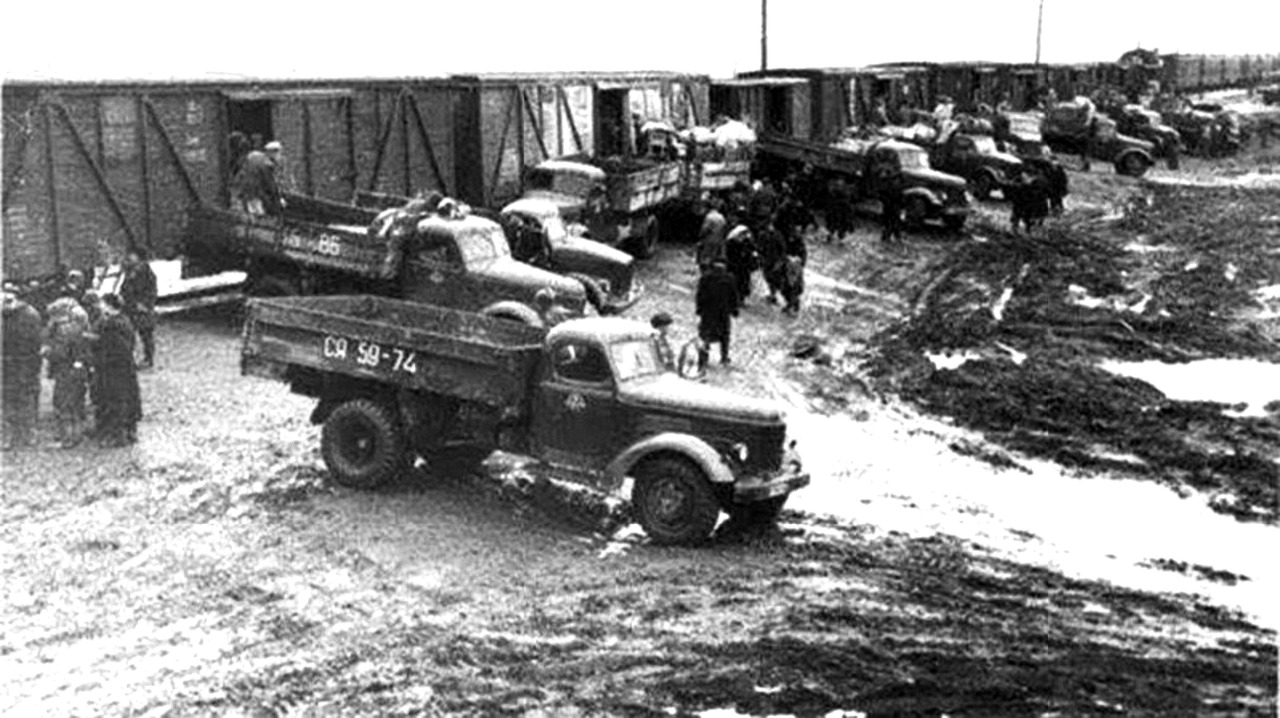
In less than a month in 1944, half a million Chechens and Ingush people were deported to Kazakhstan and other Central Asian places. They were loaded into 180 special trains, with about 40 to 45 people in each freight car. A total of 14,200 freight vars and 1,000 flatbed wagons were used between February 23 and March 13, with an estimated 350 freight wagons departing every day. More than 200,000 people died during the "collection process" and transport, between forty and fifty percent of those deported were children.
Like most other deported ethnic minorities, the Chechens traveled in goods/cattle wagons that were locked from the outside, without light or water, often during the winter months. The trains stopped from time to time so that the carriages could be opened and the dead removed. The locals around train stations were forbidden to help sick passengers, or give them medicine or water.
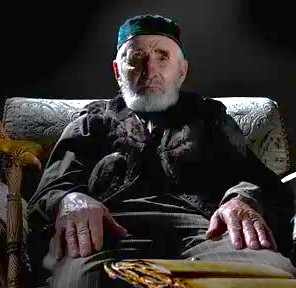
The Chechen Isa Khashiyev remembered:
We had 10 people in our family - mum and dad, grandmother and seven children. I was the eldest, and my youngest sister was three months old. We had no water and no food. The weak were suffering from hunger, and those who were stronger would get off the train and buy some food. Some people died on the way - no-one in our carriage, but in the next carriage I saw them taking out two corpses. It was cold and dark when we arrived in Kokchetav, in the plains of northern Kazakhstan. We went off on a sledge, I fell off at one point, but they stopped the sledge and my mum ran back to find me. Our baby sister died that night. My dad was looking for a place to bury her - he found a suitable place, dug the grave and buried her… she must have frozen to death.
Another eyewitness talked about the "collection process":
They combed the huts to make sure there was no one left behind... The soldier who came into the house did not want to bend down. He raked the hut with a burst from his submachine gun. Blood trickled out from under the bench where a child was hiding. The mother screamed and hurled herself at the soldier. He shot her too. There was not enough rolling stock. Those left behind were shot. The bodies were covered with earth and sand, carelessly. The shooting had also been careless, and people started wriggling out of the sand like worms. The NKVD men spent the whole night shooting them all over again.
.jpg)
It is no wonder that two bloody Chechen wars broke out after several Chechens had returned from exile. During the First Chechen War, 1994-1996, the brutal warfare led to more than 100,000 deaths. The Second Chechen War, 1999-2009, caused between 50,000 and 80,000 deaths.
The Russian population in Crimea is now overwhelmingly in the majority, but this has not always been the case. Between May 18 and 20 in1944, 200,000 Tatars were deported from Crimea. It was the last wave of deportations from Crimea, and by the end of the deportation, hardly a single Crimean Tatar was left living in Crimea, over 80,000 houses and 360,000 acres of land had been abandoned.
We were told that we were being evicted and we had 15 minutes to get ready to leave. We boarded boxcars – there were 60 people in each, but no one knew where we were being taken to. To be shot? Hanged? Tears and panic were taking over.
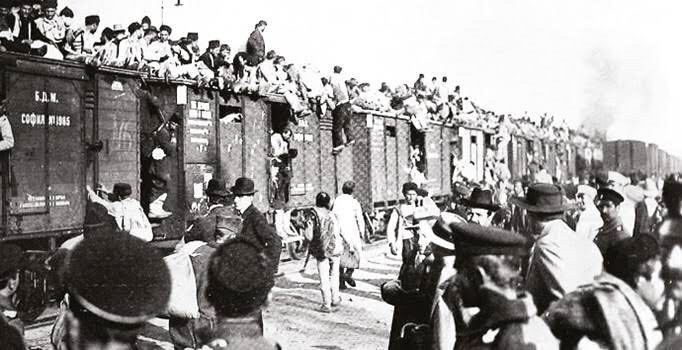
Nearly 8,000 Crimean Tatars died during the deportation, and thousands subsequently perished due to the harsh living conditions they were forced to live in during their exile.
We were forced to repair our own individual tents. We worked and we starved. Many were so weak from hunger that they could not stay on their feet.... Our men were at the front and there was no one who could bury the dead. Sometimes the bodies lay among us for several days.... Some Crimean Tatar children dug little graves and buried the unfortunate little ones
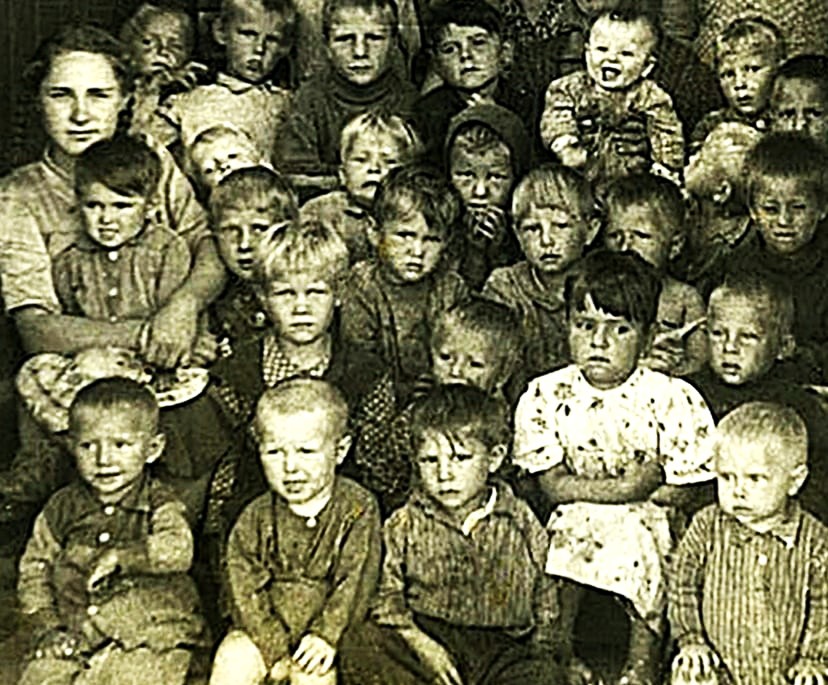
Each freight car was supposed to hold a maximum of 50 people, along with their luggage, but eyewitnesses have confirmed that often more than a hundred people were crammed into the cars. A hole in the floor of the carriage that was used as a latrine. Several pregnant women were forced to give birth inside these cordoned-off railway cars. It was only when they arrived at their destination in the Uzbek SSR that the Crimean Tatars were released from the barricaded freight wagons. They were called "crematoria on wheels". At the final stations, corpses were piled up around the tracks to be burned. In addition to the Tatars, 40,000 Bulgarians, Greeks, Turks and Roma/Sinti were deported from Crimea and replaced by immigrant Russians. Now that some of them have been allowed to return, the Tatars make up only 12 percent of Crimea's population.
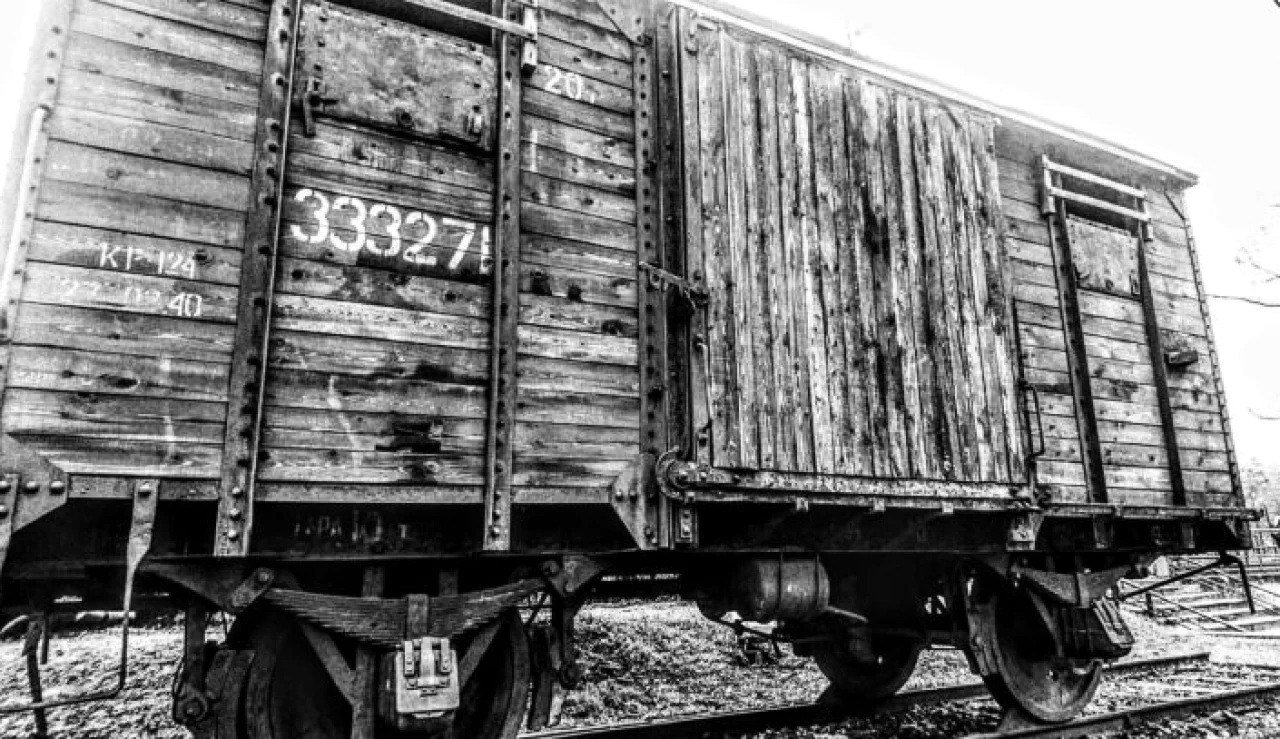
Chechens, Volga Germans and Tatars were far from the only minorities, throughout the Soviet Union, who were subjected to Stalin's brutal population movements and stowed away in freight cars, which were often turned into veritable death chambers. While these overloaded trains rolled all over the Soviet Union, the Nazis engaged in even more macabre transports, with the sole purpose of exterminating people.
The Nazis tried to disguise their "Final Solution" as an attempt to populate the countries of the East, rich in natural resources and plenty of room for a growing European population. The victims of the Nazi extermination plans were told that they would be taken to relatively comfortable labour camps in the Reichskommissariat of Ukraine, or further to the east. In fact, for most Jews, Roma/Sinti, and other people designated as "unworthy of living," the deportations meant that from 1942 onwards they would be exterminated in Bełżec, Chełmno, Sobibór, Majdanek, Treblinka, Auschwitz-Birkenau, or other evilly conceived and carefully planned extermination sites.
In Western and Central Europe, death trains generally consisted of third-class carriages and it was to some extent pretended that the passengers were actually taken to labour camps, but in Eastern Europe the process was more brutal and people were forcibly driven into cattle or goods carriages, where up to 150 terrified men, women and children were packed, even though SS rules recommended fifty persons as the maximum number per wagon. No food or water was provided. The covered freight wagons had only been equipped with a latrine bucket. Small barred windows provided inadequate and irregular ventilation, often resulting in multiple deaths either by suffocation and typhus, or exposure to cold or heat. Polish forced labourers and Soviet prisoners of war were transported under similar conditions, resulting in many deaths.
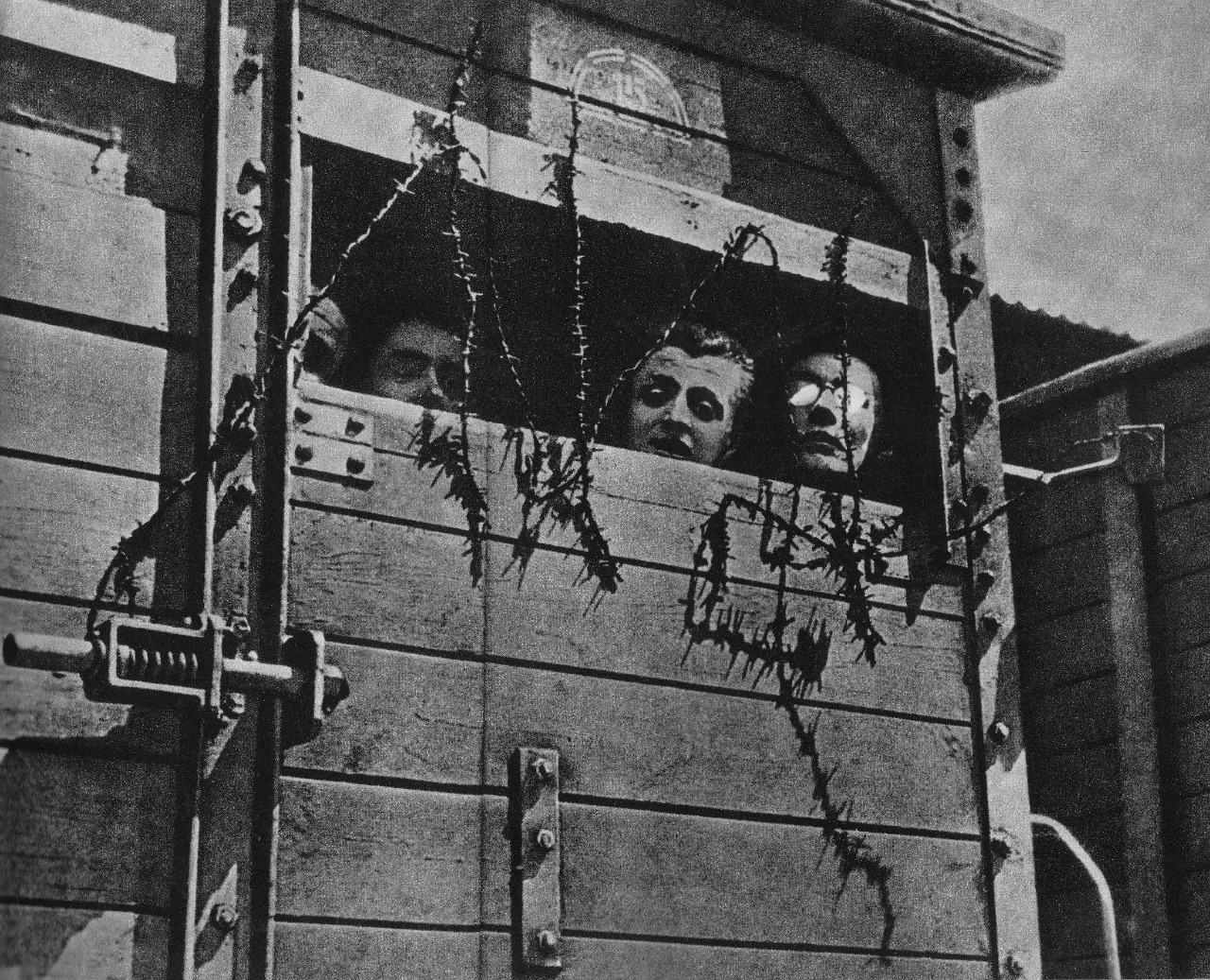
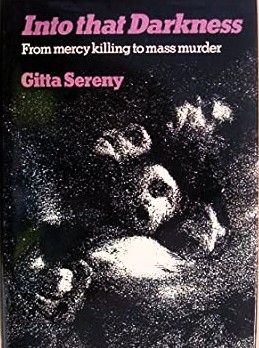
A final destination was Sobibór, which only task, like the camps in Bełżec, Chełmno, Sobibór, Majdanek and Treblinka, was to wipe out people. We know what happened in Sobibór's mainly through Franz Stangl's emotionally cold testimony to the journalist Gitta Sereny in her Into that Darkness. In it, Stangl described his three months as Sobibór's first commander and how he revolutionized its capacity to burn, as quickly and efficiently as possible, the enormous number of corpses that were accumulated daily.
Other testimonies stem from the fact that in the summer of 1943 rumours were spread that Sobibór would be closed and its entire captive workforce would be executed. This led to a desperate uprising. Most of the insurgents were killed, but 300 of them managed to escape from the camp. Several of them were tracked down and murdered, but sixty of them survived the war and were able to testify about the ongoings in Sobibór's hell.
.jpg)
Most of those who arrived by train in Sobibór had been gassed to death within a couple of hours of their arrival. The few who had not been immediately killed had been forced to help with the running of the camp, few of them survived more than a couple of months. In total, during the year and a half that the death camp was in operation, an estimated 250,000 men, women and children were murdered.
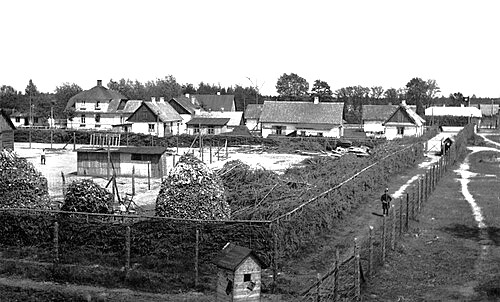
Outwardly, the camp could give the impression of being a well-kept village, albeit surrounded by electrified barbed wire fences and watchtowers. The gas chambers and burning pits were well hidden within a dense spruce forest, however, the fat smoke of burnt flesh was most of the time hanging above the seemingly idyllic Sobibór.
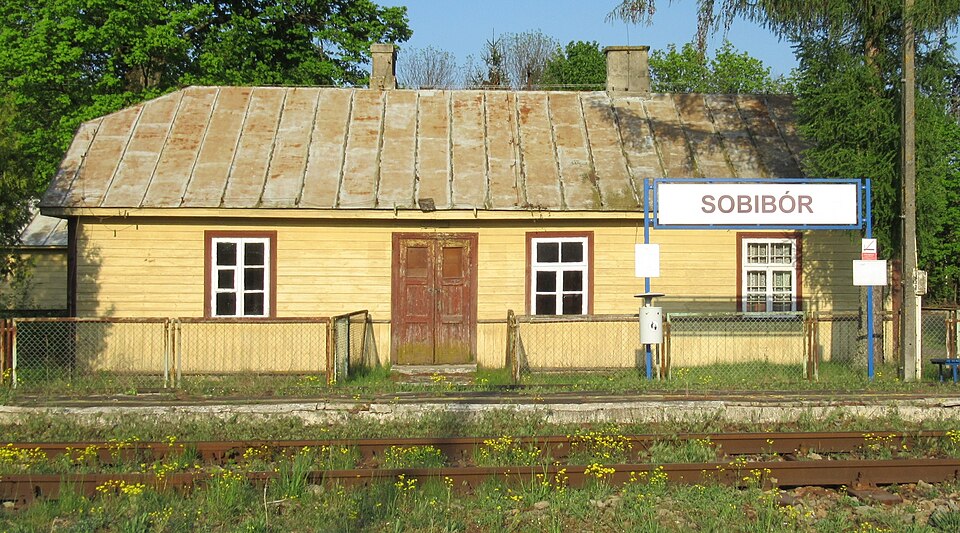
Great emphasis had been placed on creating a nice and calming impression of das Vorlager, the Fore Camp, where usually terrified people arrived at the long ramp of the small railway station. The station is still there, there are still people living in Sobibór. However, after more than seventy-five years, the station building is no longer freshly painted and adorned with curtains and flower boxes.
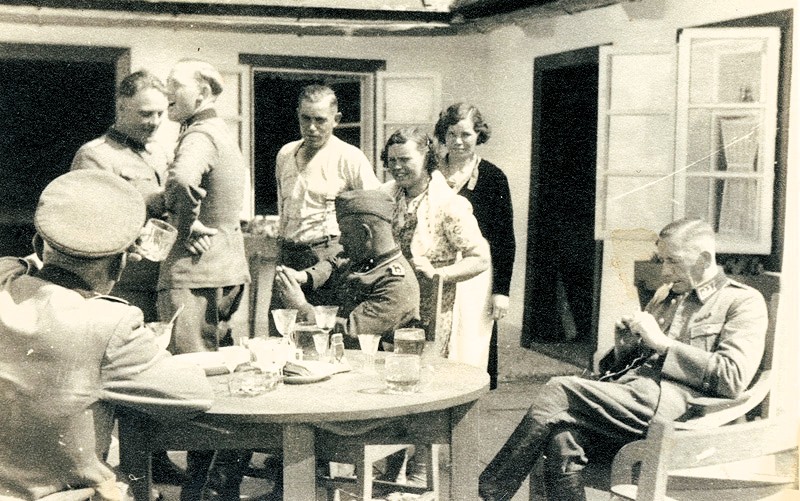
In das Vorlager there were homes and leisure facilities for the camp's staff. The SS officers lived in cottages with picturesque names such as Lustiger Floh, the Happy Flea, Schwalbennest, Swallow’s Nest, or Gottes Heimat, God's Abode, there was even a chapel in Sobibór. Everything was neatly landscaped, with lawns and gardens, outdoor terraces, gravel paths and professionally painted signs. There was a restaurant, a bowling alley, a barber shop, a bakery, a carpentry, and a dentist, all staffed by Jewish prisoners.
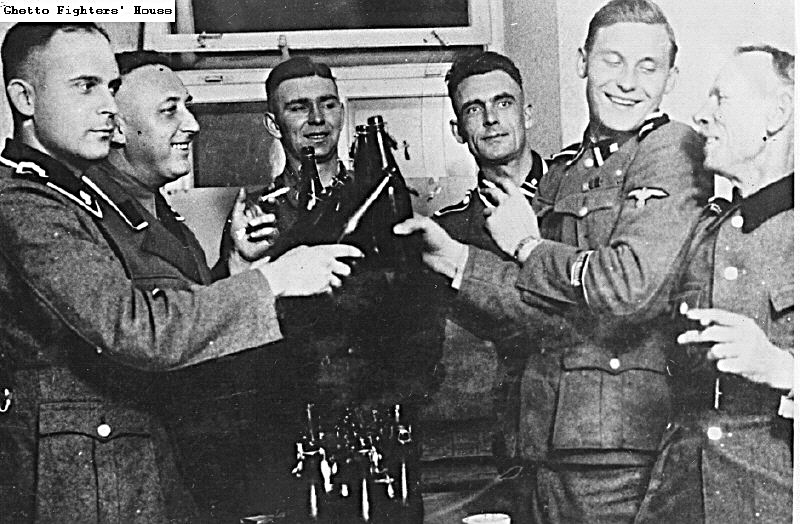
The guards, generally Russian prisoners who had been condemned to death, but pardoned if agreeing to become camp guards. They lived apart in barracks and had a "leisure building" of their own, with a dining room and a barber shop. Das Vorlager's idyllic appearance helped to hide the camp's lugubrious nature from the newly arrived, doomed prisoners. One survivor described how he felt reassured by the sight of the "Tyrolean cottage-like barracks with their bright, small curtains and geraniums standing on the windowsills".
Beyond das Vorlager was Erbhof, the Inherited Homestead, the camp's administration building, as well as a farm where Jewish prisoners raised chickens, pigs, and geese, and grew fruit and vegetables for the SS men's consumption. There were also several warehouses where everything that the dead had left behind was stored – clothes, valuables, food and hair.
At the eastern end of the railway ramp were spacious barracks where the new arrivals had to leave their luggage and were forced to undress. If the passengers had arrived in third-class carriages, often from places such as Holland, Belgium or France, they were received with some caution. Before the Jews undressed, SS-Oberscharführer Hermann Michel usually gave a speech. He appreciated this mission and used to wear a white coat to give the impression of being a doctor. Michel informed the Jews that they would soon be assigned various tasks, but before that they had to take a shower and be disinfected, to prevent the spread of diseases.
After being instructed to remember where they had left their luggage and clothes, the naked Jews were led through the hundred-metre-long Himmelstrasse Road to Heaven, lined with densely grown spruce trees hiding the electrified barbed wire.

An SS man headed the column, whiles five or six guards made up the rear, accompanied by large, aggressive dogs and being armed with lead daggers and whips. The final destination was the gas chambers and when the Jews had entered them, the guards closed the doors. The engine was started by former Soviet soldier Emil Kostenko and Erich Bauer from Berlin. After the colmoxodine had its deadly effect, the doors were opened and corpses were taken away and by members of the Sonder Command burned outdoors in large "corpse pits".
If the condemned had arrived in freight wagons, the process was usually much more brutal and the terrified newcomers were rushed forward with volleys of gunfire, stabs, blows and barking dogs.
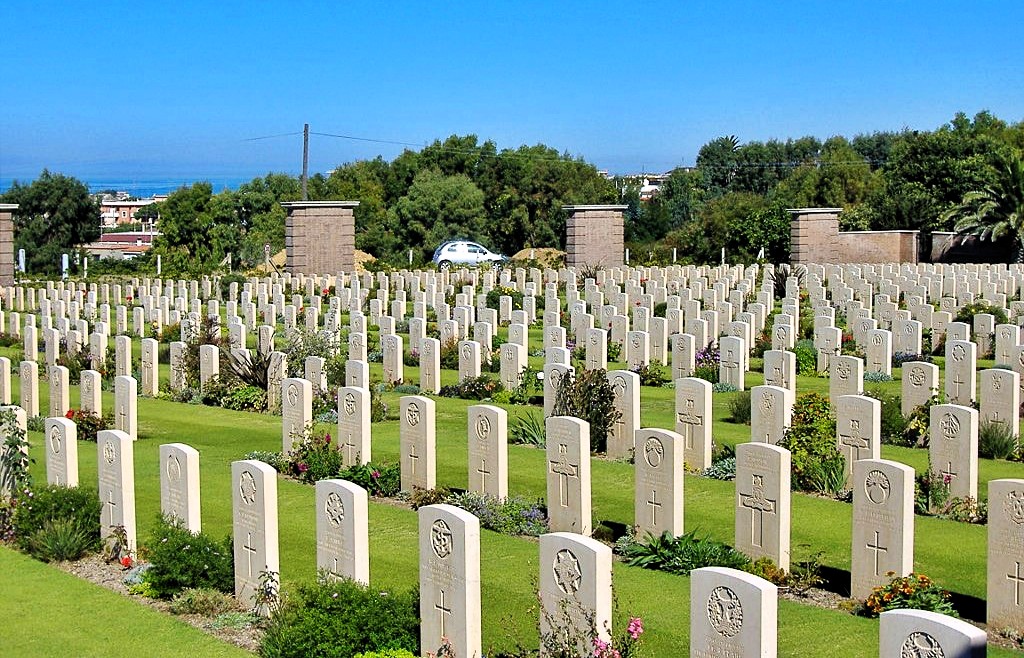
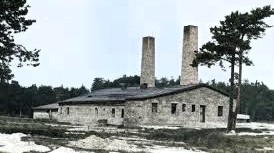
Several years ago, I stood with a friend and looked out over the white marble blocks marking the graves of two thousand of the more than seven thousand young British, Canadians and Americans who had died during the landing in Anzio. My friend looked gravely at the gravestones and then stated: "These are not as many as those who were killed during a single day in Auschwitz." He was right. Never has there been such a large-scale, mechanized slaughter of human beings. During a 14-hour working day in the extermination camps, between 12,000 and 15,000 individuals were murdered, while the gas chambers at Auschwitz-Birkenau liquidated 20,000 individuals per day. Below is one of the crematoria before it was blown up by the retreating Nazis.
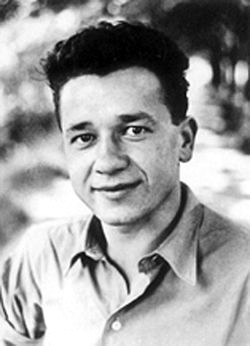
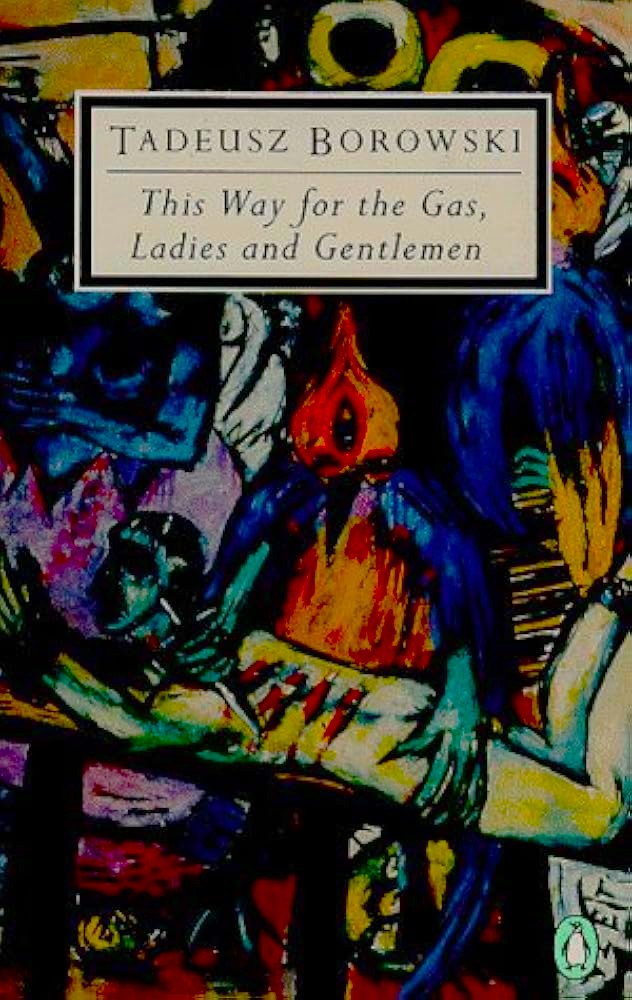
The Pole Tadeusz Borowski was arrested in 1942 by the Gestapo. Unlike his girlfriend Maria, he had not been part of the extensive Polish resistance. She was captured after falling into a trap set by Gestapo and murdered in a concentration camp. When Borowski searched for her, he too was arrested and taken to Auschwitz, which he lived for two years before being sent on a death march to the Dachau concentration camp, where he was rescued by the U.S. Seventh Army within a hair's breadth of death. Shortly after the war, Borowski wrote a collection of short stories in which he in literary form collected his impressions from Auschwitz – Pożegnanie z Marią, Farewell to Mary. The short stories are linked through the experiences of the main character Tadek, and even though Borowski used an alter ego, there is no doubt that the short stories are based on his own experiences. In the short story Welcome to the Gas Chambers, Ladies and Gentlemen, he describes how a death train arrives at Auschwitz.
"The transport is coming," somebody says. We spring to our feet; all eyes turn in one direction. Around the bend, one after another, the cattle cars begin rolling in. The train backs into the station, a conductor leans out, waves his hand, blows a whistle. The locomotive whistles back with a shrieking noise, puffs, the train rolls slowly alongside the ramp. In the tiny barred windows appear pale, wilted, exhausted human faces, terror‐ stricken women with tangled hair, unshaven men. They gaze at the station in silence. And then, suddenly, there is a stir inside the cars and a pounding against the wooden boards. "Water! Air!"— weary, desperate cries. Heads push through the windows; mouths gasp frantically for air. They draw a few breaths, then disappear; others come in their place, then also disappear. The cries and moans grow louder.
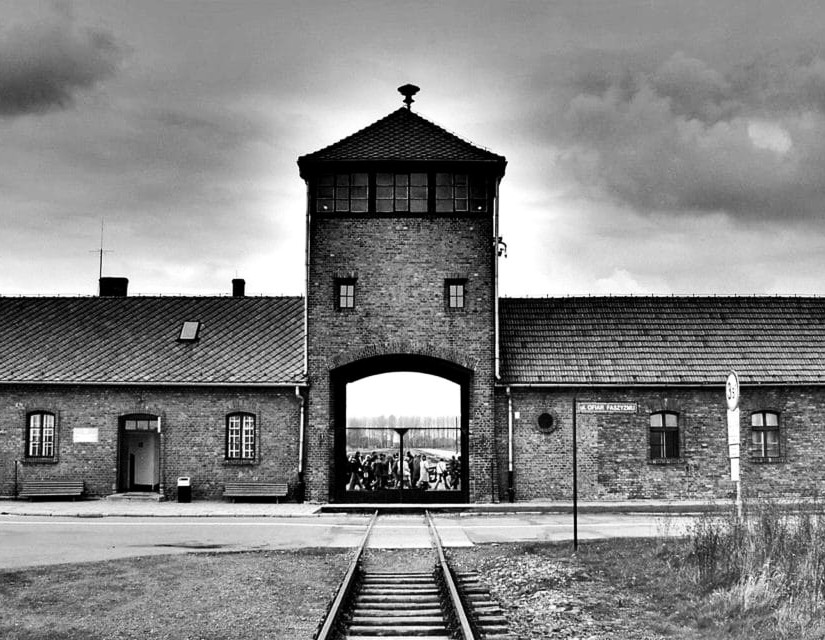
Trucks were arriving. The prisoners who had to empty the wagons were instructed. They were allowed to seize food för themselves, but if they took clothes and valuables they would be shot immediately. All corpses had to be carried out of the wagons and laid down by the tracks. The trucks would be to filled up with luggage and take away the few men and some women who had been designated for forced labor. SS men stood ready to make the selections, while others shouted orders at the new arrivals.
The bolts crack, the doors fall open. A wave of fresh air rushes inside the train. People . . . inhumanly crammed, buried under incredible heaps of luggage, suitcases, trunks, packages, crates, bundles of every description (everything that had been their past and was to start their future). Monstrously squeezed together, they have fainted from heat, suffocated, crushed one another. Now they push towards the opened doors, breathing like fish cast out on the sand. "Attention! Out, and take your luggage with you! Take out everything. Pile all your stuff near the exits. Yes, your coats too. It is summer. March to the left. Understand?"
Confused and terrified, the passengers staggered out of the carriages. They looked around, perplexed. Wondering: "Sir, can You please tell me what's going to happen to us?" There was usually no response, though maybe someone pointed to where the ramp and tracks ended and indicated the smoke billowing from the crematoria and mumbled: "You are going to heaven."
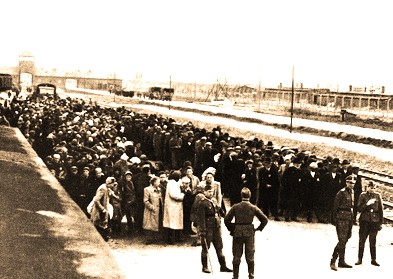
There is an S.S. man standing behind my back, calm, efficient, watchful. "Meine Herrschaften, this way, ladies and gentlemen, try not to throw your things around, please. Show some goodwill," he says. The heaps grow. Suitcases, bundles, blankets, coats, handbags that open as they fall, spilling coins, gold, watches; mountains of bread pile up at the exits, heaps of marmalade, jams, masses of meat, sausages; sugar spills on the gravel. Trucks, loaded with people, start up with a deafening roar and drive off amidst the wailing and screaming of the women separated from their children, and the stupefied silence of the men left behind. They are the ones who had been, ordered to step to the right—the healthy and the young who were separated from their children, and the stupefied silence of the men left behind. They are the ones who had been, ordered to step to the right—the healthy and the young who will go to the camp. In the end, they too will not escape death, but first they must work.
When the able-bodied prisoners had been selected and taken away and the others had been forced to walk down to the gas chambers, it remained for the camp prisoners to clean out the freight cars.
The train has been emptied. A thin, pock‐marked S.S. man peers inside, shakes his head in disgust and motions to our group, pointing his finger at the door. "Rein. Clean it up!" We climb inside. In the corners amid human excrement and abandoned wrist‐watches lie squashed, trampled infants, naked little monsters with enormous heads and bloated bellies. We carry them out like chickens, holding several in each hand. I go back inside the train; I carry out dead infants; I unload luggage. I touch corpses, but I cannot overcome the mounting, uncontrollable terror. I try to escape from the corpses, but they are everywhere: lined up on the gravel, on the cement edge of the ramp, inside the cattle cars. Babies, hideous naked women, men twisted by convulsions. I run off as far as I can go, but immediately a whip slashes across my back. Out of the corner of my eye I see an S.S. man, swearing profusely.
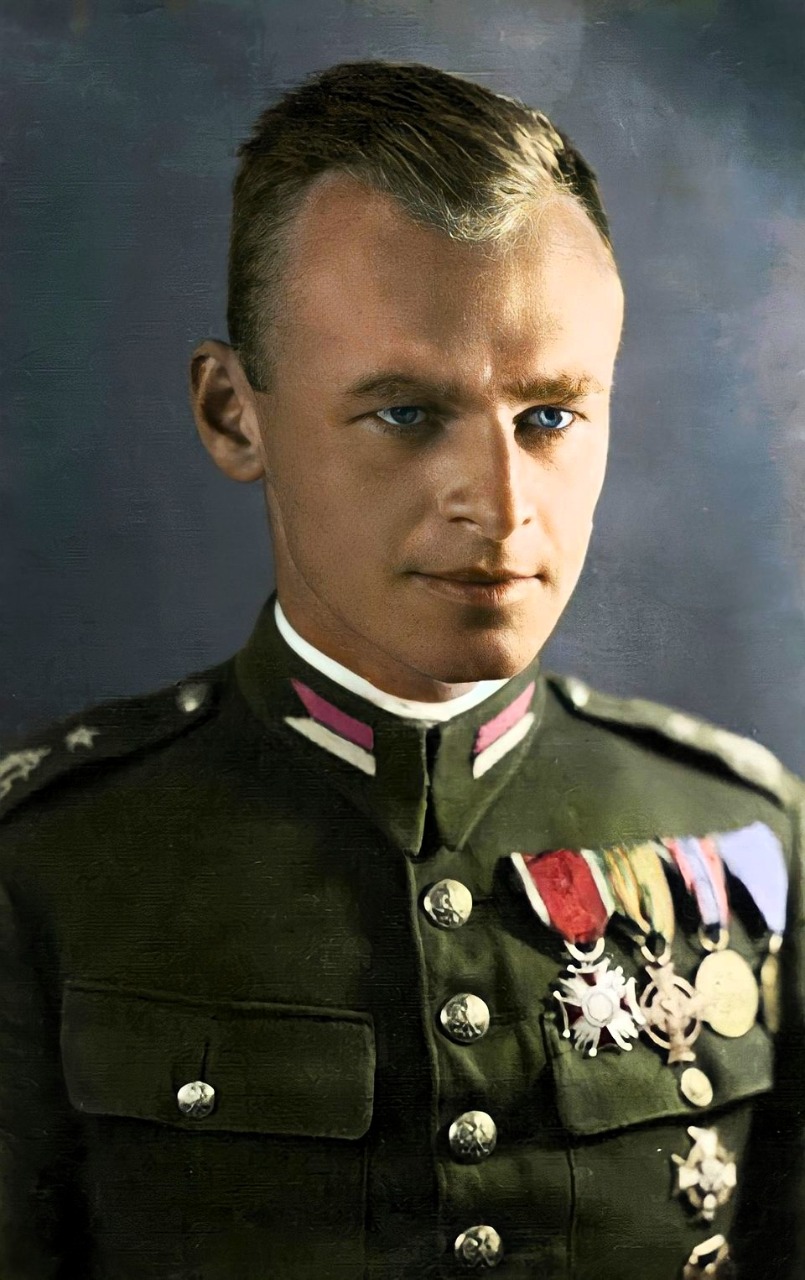
Several bold Polish resistance fighters tried, at great risk to their lives, to spread knowledge of the Nazis' mass murdering of Jews and dissidents. One of them was cavalry officer Witold Pilecki, who in 1940 allowed himself to be captured by the German occupying forces in order to be brought to Auschwitz and there collect as much material as possible and then try to smuggle it out to the outside world.
Pilecki managed to put together a large network of contacts and, in cooperation with them, prepare a detailed account of the cruelties and abuses flourishing in the camp, not least he was able to provide his report with maps and sketches of the facilities for gassing and cremation of human beings. The report was smuggled out of Auschwitz and reached the headquarters of the Polish secret army, which made sure it reached the leaders of the UK and the US.
As a Polish patriot, Pilecki had fought against both the invading Nazis and the Soviet communists and continued his fight against the latter even after the war. He was arrested in 1947 by Poland's communist regime, tortured and executed a year later with a shot in the neck in Warsaw's Mokotów prison.
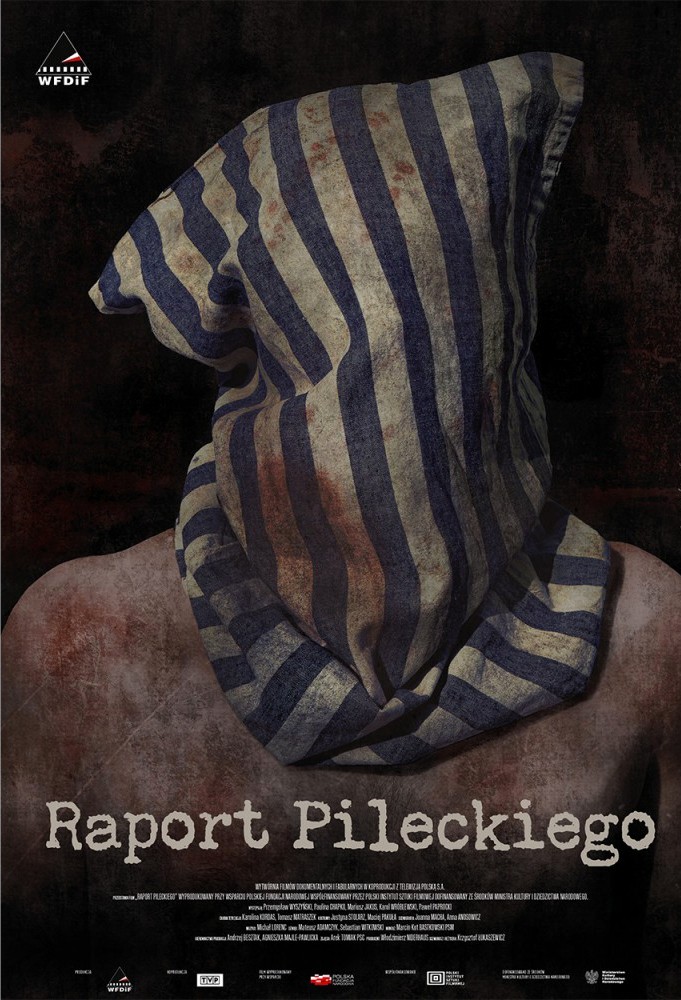
Krzysztof Lukaszewicz's 2023 film about Pilecki depicts the horrific torture he was subjected to by Polish communist minions, who, according to the film, wanted to belittle Pilecki's efforts in Auschwitz. This was partly due to the fact that Poland's Soviet-backed puppet president, Józef Cyrankiewicz, who also had been interned in Auschwitz, for propaganda reasons claimed that he had actually done what Pilecki did, though he had not been able to provide any evidence for his efforts. Cyrankiewicz not only refused to acknowledge an appeal to hinder a death sentence, but even suggested that Pilicki had to be treated “harshly, as an enemy of the state".
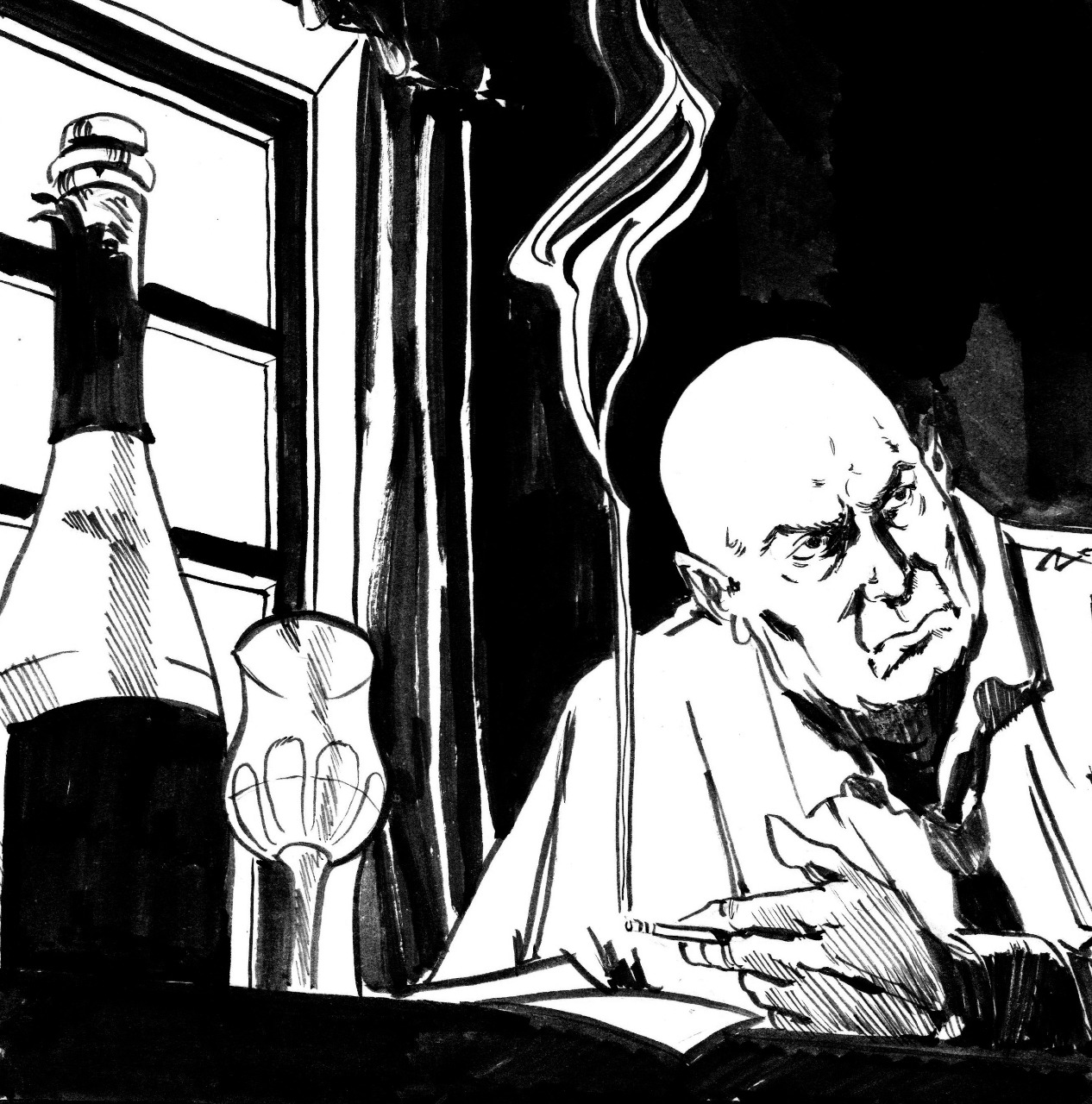
Jan Karski was another of these bold members of the Polish resistance movement, whose members, despite threats of torture and death that constantly hung over them, maintained contact with the outside world, arranged forged papers, escape routes and safe houses for persecuted individuals, and even established secret schools and universities.
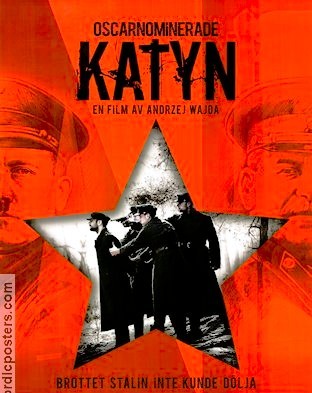
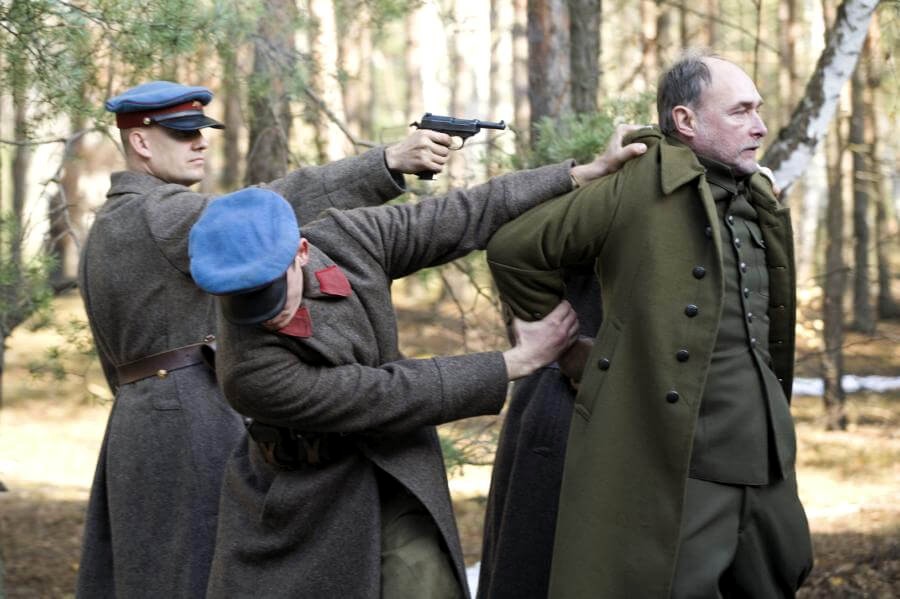
Karski, whose real name was Jan Kozielewski, had like Witold Pilecki been an officer in the Polish army when his unit surrendered to the advancing Soviet Red Army. By obtaining an NKVD uniform, Karski narrowly avoided being murdered during the Katyn Forest massacre in April and May 1940, when the NKVD killed 21,857 captured Polish officers and intellectuals with a shot in the neck. A crime against humanity that Polish director Andrzej Wajda has made a powerful film about.
Karski acted as a courier between the resistance movement and the Polish government-in-exile, which was initially established in France and later moved to London. He was captured by the Gestapo and tortured so badly that he tried to commit suicide, but was saved by undercover Polish patriots, managed to escape, and continued with his activities. On two occasions, Karski managed to get into the Warsaw Ghetto through an underground tunnel, he stayed in the ghetto for a few days and then wrote a detailed report about the inhumane conditions prevailing there.
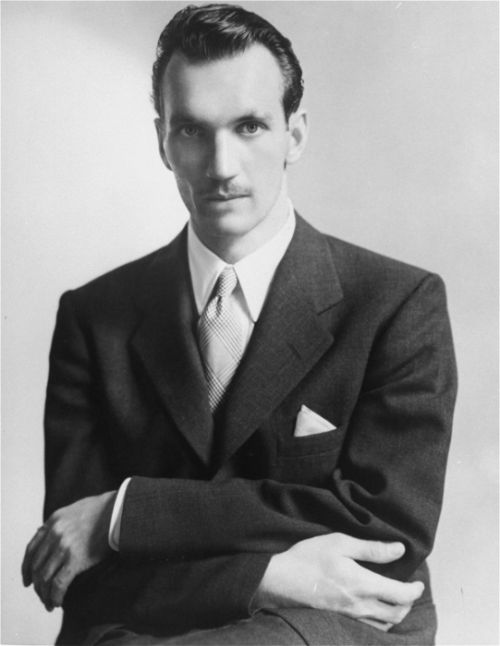
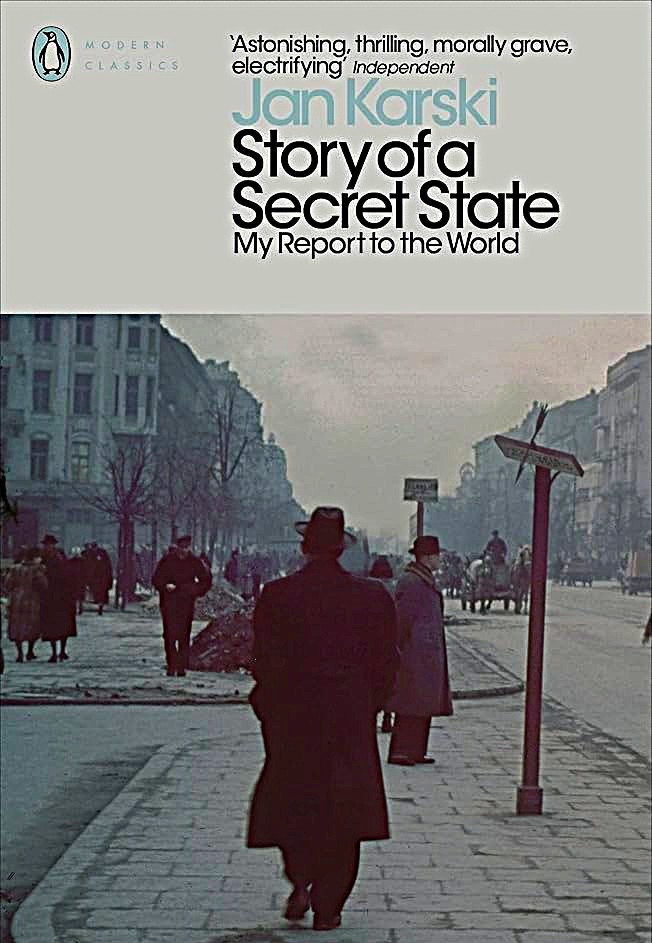
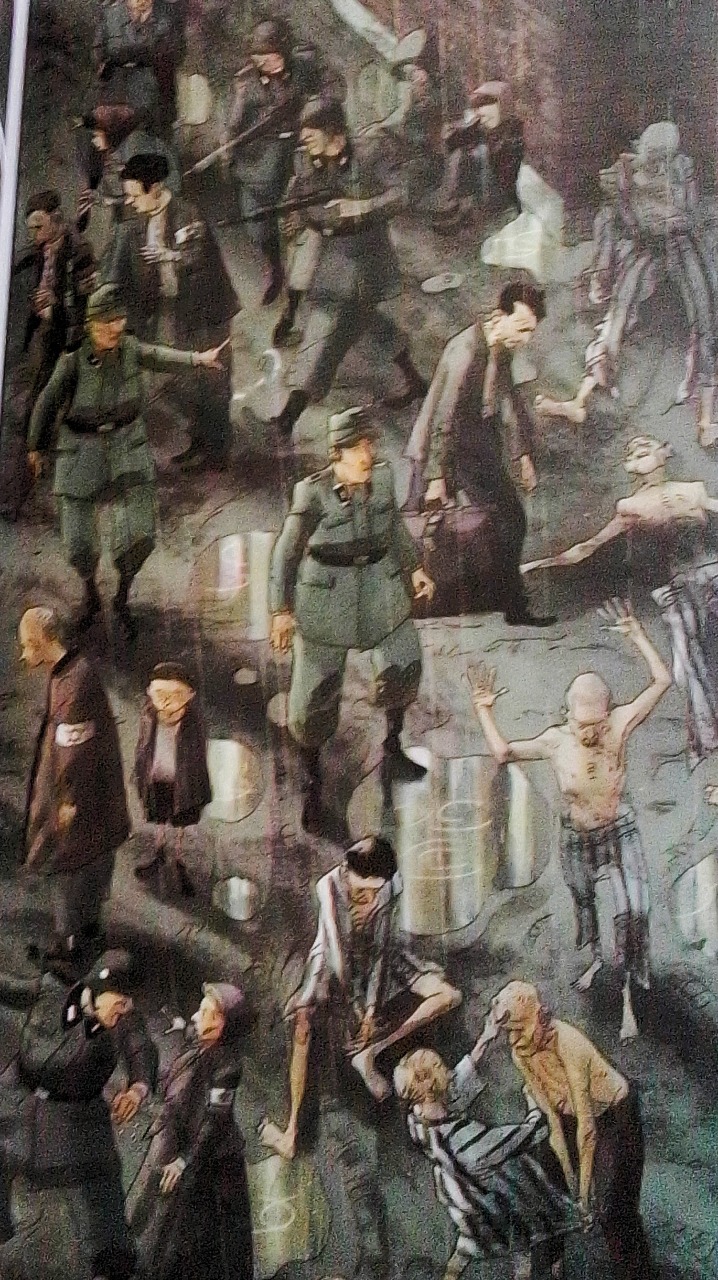
In September 1942, on behalf of das Bund, a secret Jewish council inside the ghetto, Karski visited a Durchgangslager, a concentration camp, in the village of Izbica Lubelska. By bribing a Ukrainian guard, Karski was provided with an Estonian guard uniform and visited the camp in the company of the Ukrainian. His description of the horrors committed in Izbica Lubelska, reached both London and Washington D.C.
There was no organisation, or order of any kind. None of them could possibly help or share with each other and they soon lost any self-control or any sense whatsoever except the barest instinct of self-preservation. They had become at this stage, completely de-humanised. It was moreover, typical autumn weather, cold, raw, and rainy. The sheds could not accommodate more than two or three thousand people and every 'batch' included more than five thousand. This meant there were always two to three thousand men, women, and children scattered about in the open, suffering exposure as well as everything else. The chaos, the squalor, the hideousness of it all, was simply indescribable. There was a suffocating stench of sweat, filth, decay, damp straw and excrement.
Emaciated, dead and wounded people lay scattered on the muddy ground and no one seemed to take any notice of them. Armed SS men and guards walked around among them. Most of the temporary inmates had arrived from the Warsaw ghetto and were dressed in striped prisoner uniforms, but several wore plainclothes and some were completely naked.
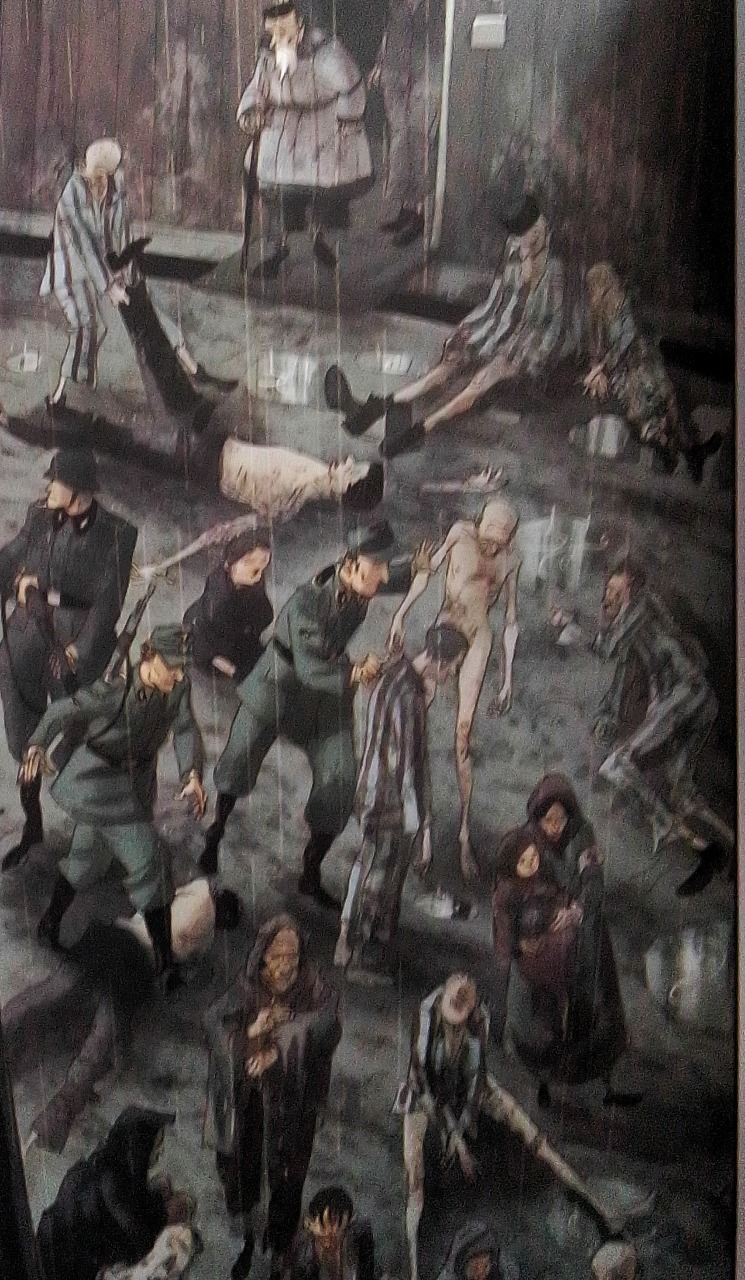
And now came the most, the most horrible episode of them all. The Bund leader had warned me that if I lived to a hundred I would never forget some of the things I saw. He did not exaggerate. The military rule stipulates that a freight car may carry eight horses or forty soldiers. Without any baggage at all, a maximum of a hundred passengers standing close together and pressing against each other could be crowded into a car. The Germans had simply issued orders to the effect that 120 to 130 Jews had to enter each car. These orders were now being carried out. Alternately swinging and firing with their rifles, the policemen were forcing still more people into the two cars, which were already over-full.
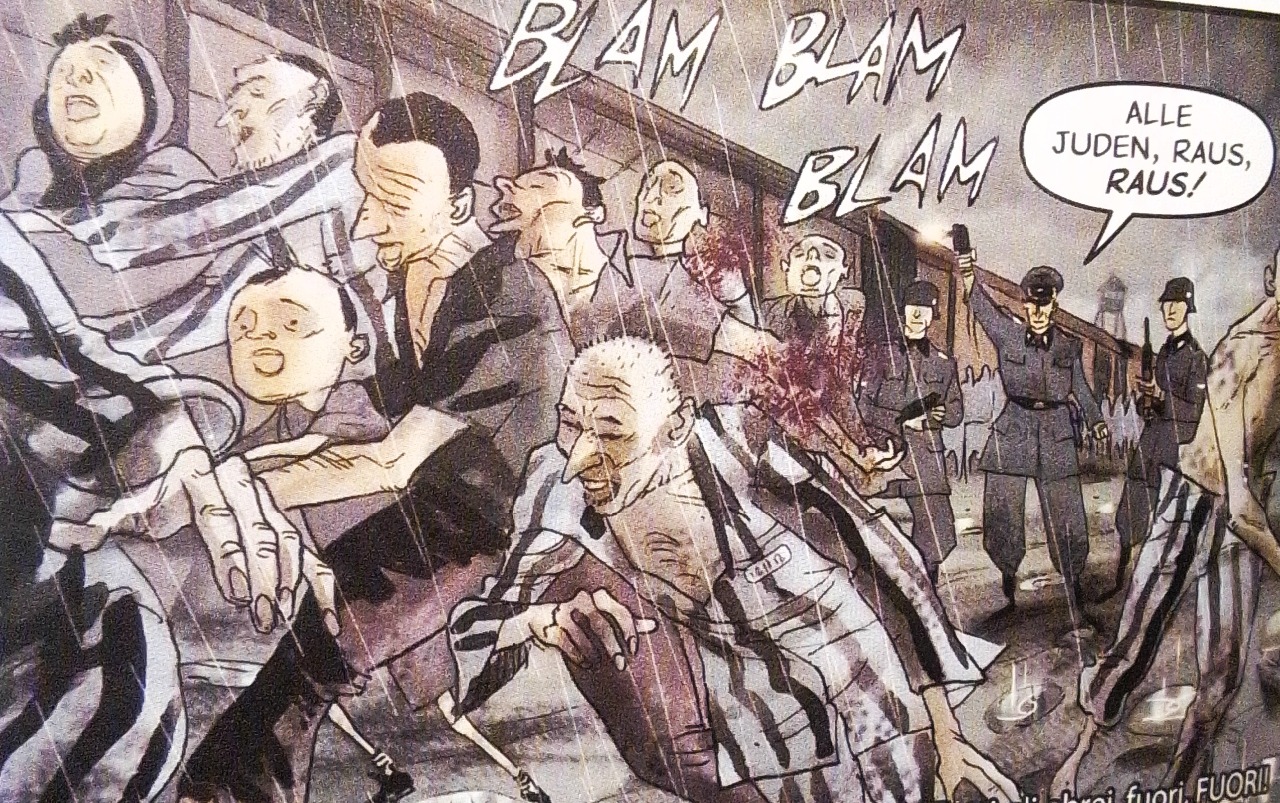
When some wagons were filled with terrified individuals and barricaded, more people were driven towards the other wagons. The guards were losing patience, becoming more and more agitated while they relentlessly pushed the crowds against the open freight cars, firing indiscriminately at those who hesitated to move.
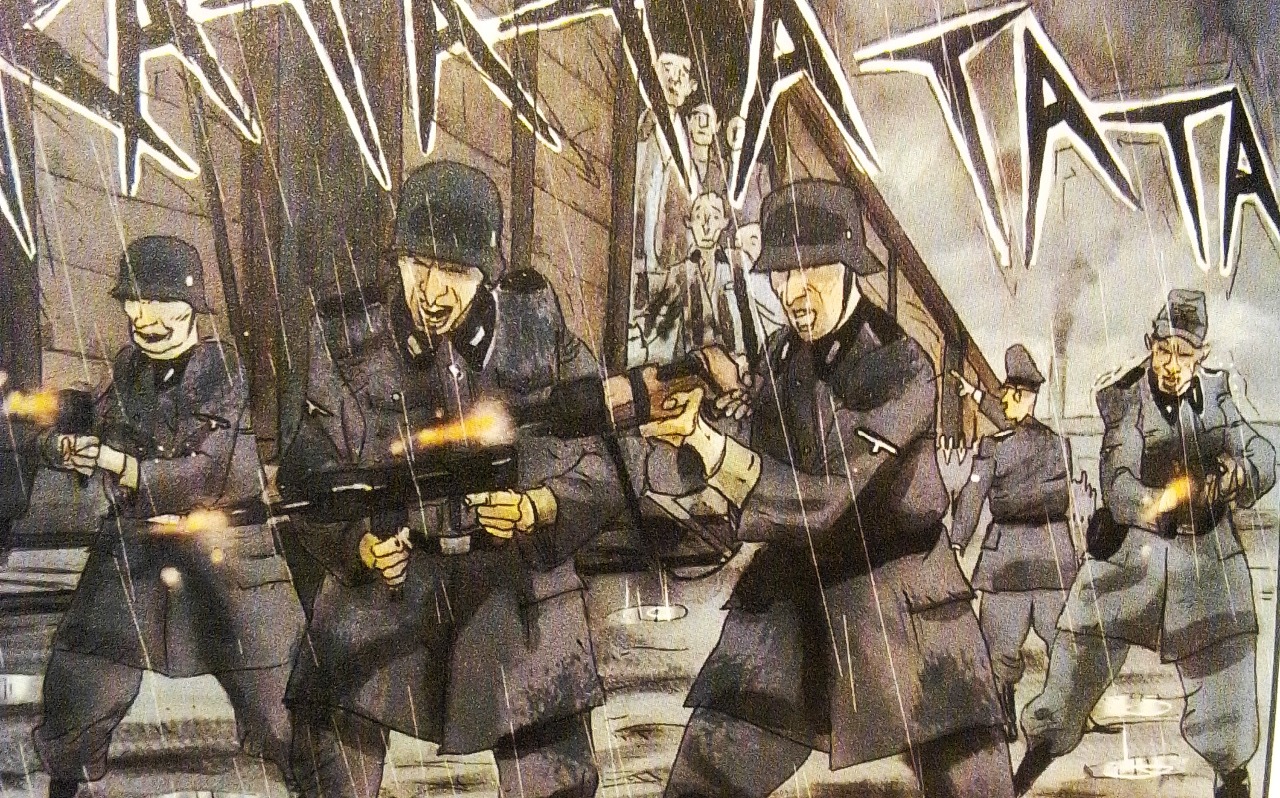
The shots continued to ring out in the rear and the driven mob surged forward, exerting an irresistible pressure against those nearest to the train. These unfortunates crazed by what they had been through, scourged by the policemen, and shoved forward by the milling mob, then began to climb on the heads and shoulders of those on the trains. These were helpless since they had the weight of the entire advancing throng against them and responded only with howls of anguish to those who, clutching at their hair and clothes for support, trampling on necks, faces and shoulders, breaking bones, and shouting with insensate fury, attempted to clamber over them. More than another score of human beings, men, women and children gained admittance in this fashion. Then the policemen slammed the doors across the hastily withdrawn limbs that still protruded and pushed the iron bars in place.
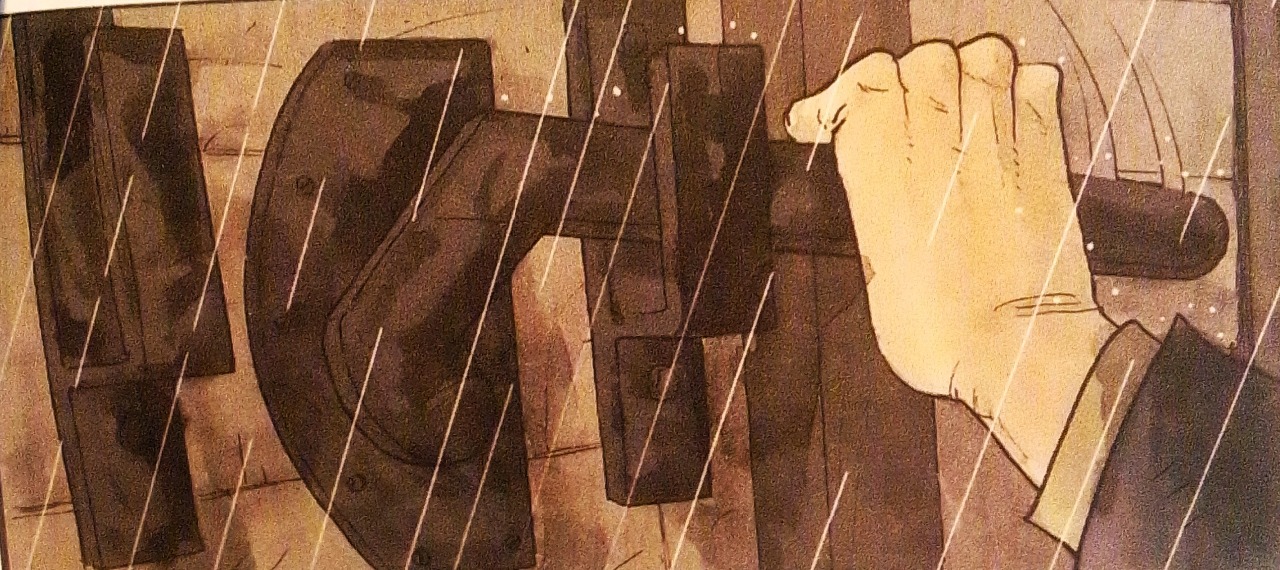
The upset and disgusted Karski knew that Izbica Lubelska was in fact not at all a "transitional camp". It was a final station. All those who had been locked in the wagons were doomed to die trapped inside them.
The floors of the cars had been covered with a thick white powder. It was quicklime. Quicklime is simply un-slaked lime, or calcium oxide that has been dehydrated. Anyone who has seen cement being mixed knows what occurs when water is poured on lime. The mixture bubbles and steams as the powder combines with the water, generating a large amount of heat. Here the lime served a double purpose in the Nazi economy of brutality. The moist flesh coming in contact with the lime is rapidly dehydrated and burned. The occupants of the cars would be literally burned to death before long, the flesh eaten from the bones. Thus, the Jews would die in agony, fulfilling the promise Himmler had issued in accord with the 'will of the Fuhrer' in Warsaw in 1942. Secondly the lime would prevent decomposing bodies from spreading disease. It was efficient and inexpensive - a perfectly chosen agent for their purposes.
Karski wanted to get out from this hell, though he felt compelled to fulfil the mission he had been given by the Bund – to describe in every detail what was going on.
It took three hours to fill up the entire train by repetitions of this procedure. It was twilight when the forty -six (I counted them) cars were packed. From one end to the other, the train, with its quivering cargo of flesh, seemed to throb, vibrate, rock and jump as if bewitched. There would be a strangely momentary lull and then, again, the train would begin to moan and sob, wail and howl. Inside the camp a few score dead bodies remained and a few in the final throes of death. German policemen walked around at leisure with smoking guns, pumping bullets into anything, that by a moan or motion betrayed an excess of vitality. Soon not a single one was left alive.
The last stragglers were brought up into the last carriage, the doors were pushed shut and locked, the train began to move.
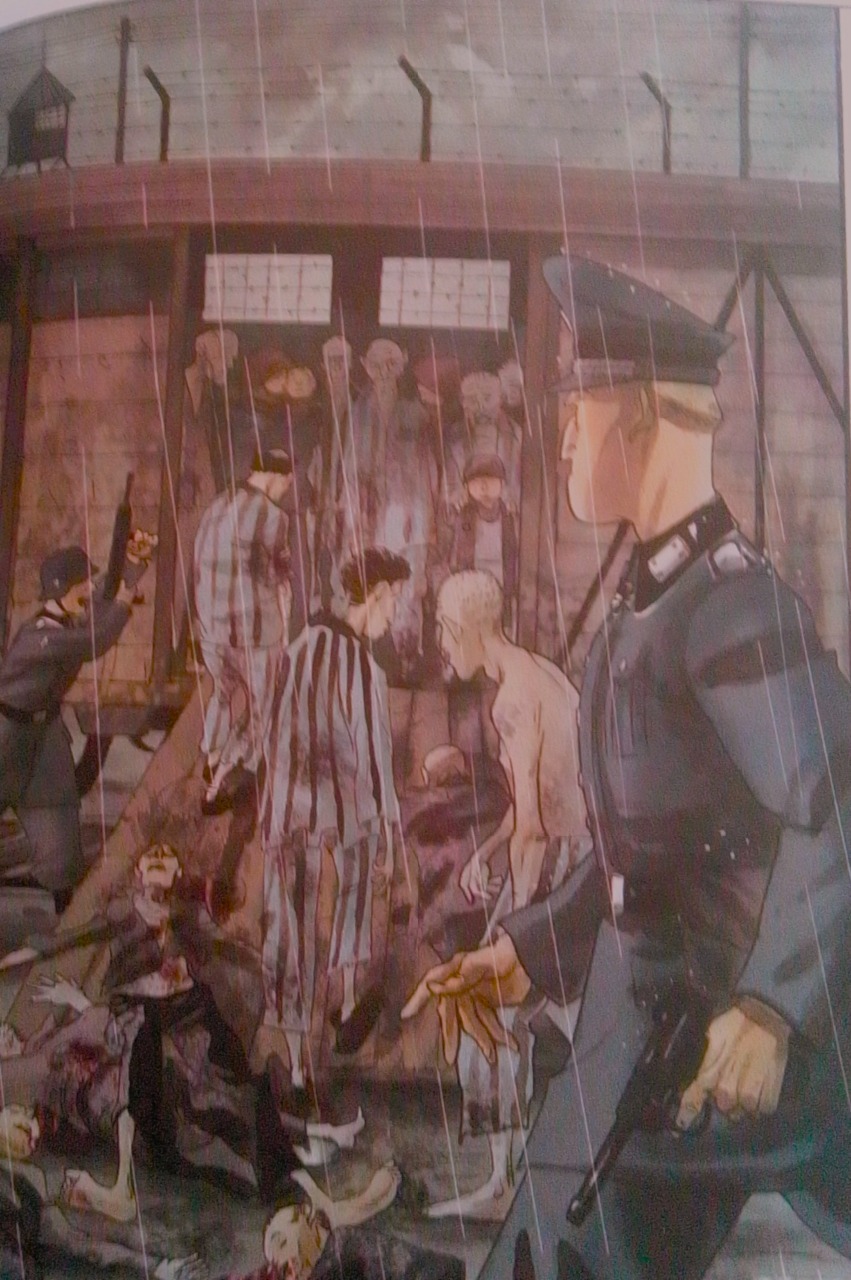
In the now quiet camp the only sounds were the inhuman screams that were echoes from the moving train. Then these too ceased. All that was now left was the stench of excrement and rotting straw and a queer, sickening acidulous odour which I thought, may have come from the quantities of blood that had been shed and with which the ground was stained. As I listened to the dwindling outcries from the train, I thought of the destination toward which it was speeding. My informants had minutely described the entire journey. The train would travel about eighty miles and finally come to a halt in an empty barren field. Then nothing at all would happen. The train would stand stock-still, patiently waiting while death penetrated into every corner of its interior. This would take from two to four days.
Apparently, the destination of the train was the fields outside the extermination camp Bełżec.
When quicklime, asphyxiation and injuries had silenced every outcry, a group of men would appear. They would be young, strong Jews, assigned to the task of cleaning out these cars, until their own turn to be in them should arrive. Under a strong guard they would unseal the cars and expel the heaps of decomposing bodies. The mounds of flesh that they piled up would then be burned and the remnants buried in a single huge hole. The cleaning, burning and burial would consume one or two full days. The entire process of disposal would take then from three to six days. During this period the camp would have recruited new victims. The train would return and the whole cycle would be repeated from the beginning.
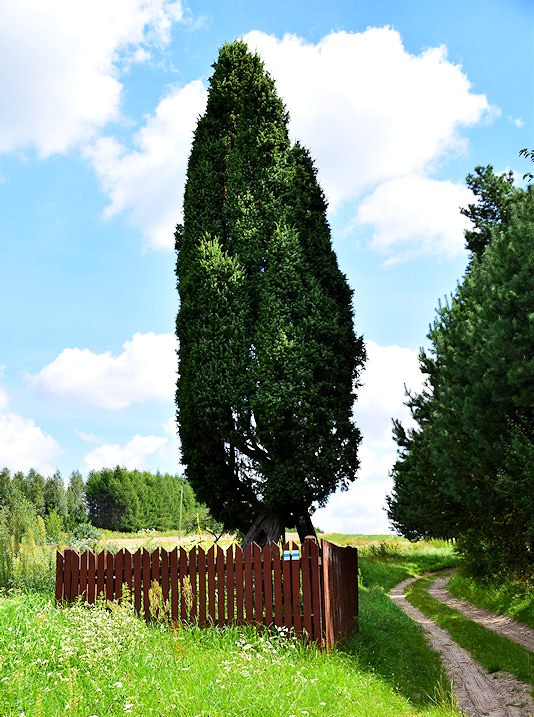
Below is a huge juniper tree by a field outside Bełżec.
No nightmare can equal the hells described by Borowski and Karski. The evil, the plague of indifference, which gave rise to the death trains and their horrible destinations, is beyond my comprehension. One might speak about "inhumanity," but can any other creature engage in a similar mass extinction, become possessed by such contempt and icy coldness while inflicting death and suffering on members of its fellow species?
Alvaro, Corrado (1995) Tutto è accaduto. Milano: Bompiani. Borowski, Tadeusz (1976) This Way for the Gas, Ladies and Gentlemen. Harmondsworth Middlesex: Penguin Classics. Bugaǐ, Nikolaǐ (1996) The Deportation of Peoples in the Soviet Union. New York: Nova Publishers. Karski, Jan (2011) Story of a Secret State: My Report to the World. London: Penguin Classics. Moorehead, Caroline (2023) Edda Mussolini: The Most Dangerous Woman in Europe. London: Vintage. Rashke, Richard L. (1995) Escape from Sobibór. Chicago: University of Illinois Press. Rizzo, Marco and Lelio Bonaccorso (2020) Jan Karski: L'uomo che scoprí l'olocausto. Rome: GEDI Gruppo editoriale. Sereny, Gitta (1983) Into That Darkness: An Examination of Conscience. London: Penguin. Totten, Samuel, William S. Parsons, and Israel W. Charny (1997) Century of Genocide: Eyewitness Accounts and Critical Views. New York: Garland Publishing.


