

I just came in through the door after a long walk during which, as so often happens, I had bended up sitting on a bench. After watching the greenery, the people and the dogs around me, I lifted my eyes and looked into the infinitely blue sky.

I became dazzled by the sun and closed my eyes. Again, the thoughts were there, the same ones I share with most of us. Who am I? What do I do here? Why am I unique? I was born, live and will die. Why doesn't death scare me? Not so far at least. And here I am. Why have I been so privileged and reached this age?
Of course, I am tormented by my shortcomings, the misunderstandings and lack of contact that might arise around me, amidst of all this diversity of joy and misery. Famine, war, catastrophes, inexplicable evil and goodness. I love my family and friends, though how do they really perceive me?.
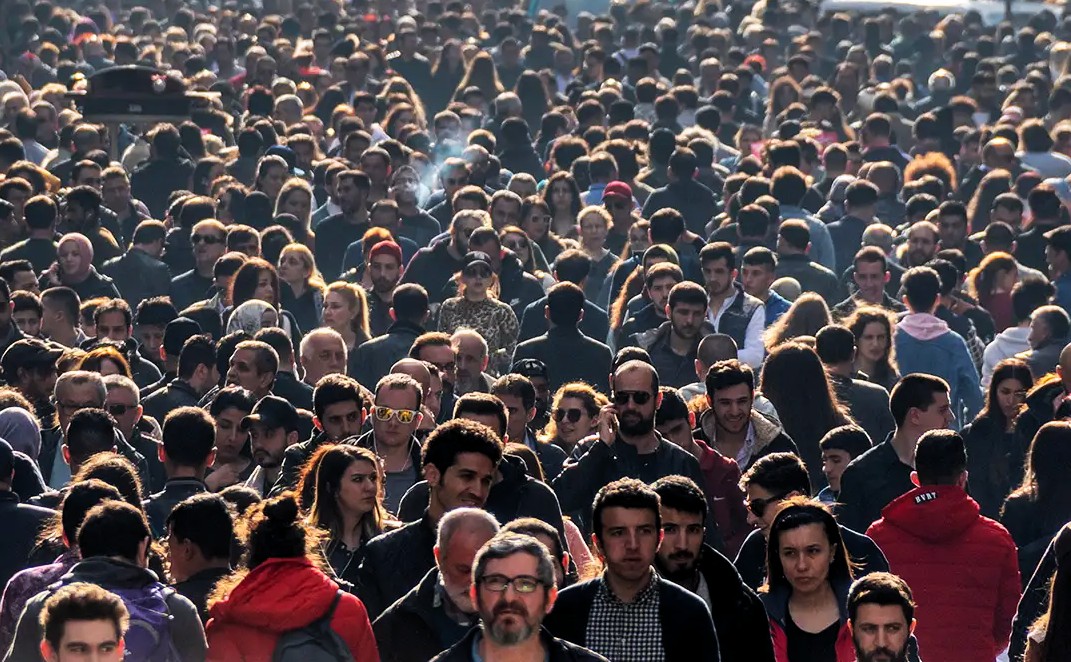
After all, I cannot deny that it is a triumph to exist. But still? What difference does my measly life make amomg this myriad of people? This anthill of creatures? Why care? Can such a small and insignificant individual as I happen to be do anything to overcome the division, fragmentation, and indifference that characterize so much around me? Probably not much, more than trying to be tolerant, kind and assert my opinions.
And out there is the universe, with its infinity of suns, stars, planets, galaxies and superquarks. I had an uncle, he is long dead, who was very interested in astronomy and the times I met him he talked about the greatness of the universe and everything he knew about it; black holes, quarks, the curved space and much more. Somehow he was intimidated by his own knowledge. It was as if he felt that we were going to experience the death of the sun and the collapse of the universe, however impossible that might be. It's like death – the infinity of the universe doesn't scare me at all and I actually believe that our wonderfully beautiful planet is the only one existing in the entire universe and if not – what does it matter to me?

For me, the great mystery of existence is human's ability to appreciate nature, to create and enjoy art and music, the parallel worlds of literature. While I was sitting there, the Italian song Volare popped in my head. This wonderfully banal song that I assume every Italian knows and that most of them can sing. Banal? What did I mean by that? Isn't that a derogatory word? Not at all, I think its basic meaning is "universal" and this is undeniably the fact of Volare. Does that mean it's lousy. Not at all, on the contrary. Simple? Maybe, but I don't think it is either because. For me it creates such a wonderfully liberating and uplifting feeling and it must be the case för many others as.
Poi d'improvviso venivo dal vento rapito
e incominciavo a volare nel cielo infinito
Volare, oh, oh!
Cantare, oh, oh, oh, oh!
Nel blu dipinto di blu,
felice di stare lassù
https://www.youtube.com/watch?v=u99ivDAqwSM
Then suddenly I was carried away by the wind
and began to fly in the infinite sky.
Fly, oh, oh!
Sing, oh, oh, oh, oh!
In the blue painted blue,
happy to be there.
"In the blue painted in blue", the sentence is undeniably somewhat strange. Domenico Modugno, who sang and wrote the song, has said that he got his inspiration to write it when he and his wife Franca Gandolfi one morning through their window looked out at an endless blue sky.

Modugno's co-author, Franco Migliacci, gave a perhaps a more plausible explanation for the words when he said that he was seized by his inspiration when he looked at two paintings by Mark Chagall – The Woman on the Red Rooster and The Painter and His Model.
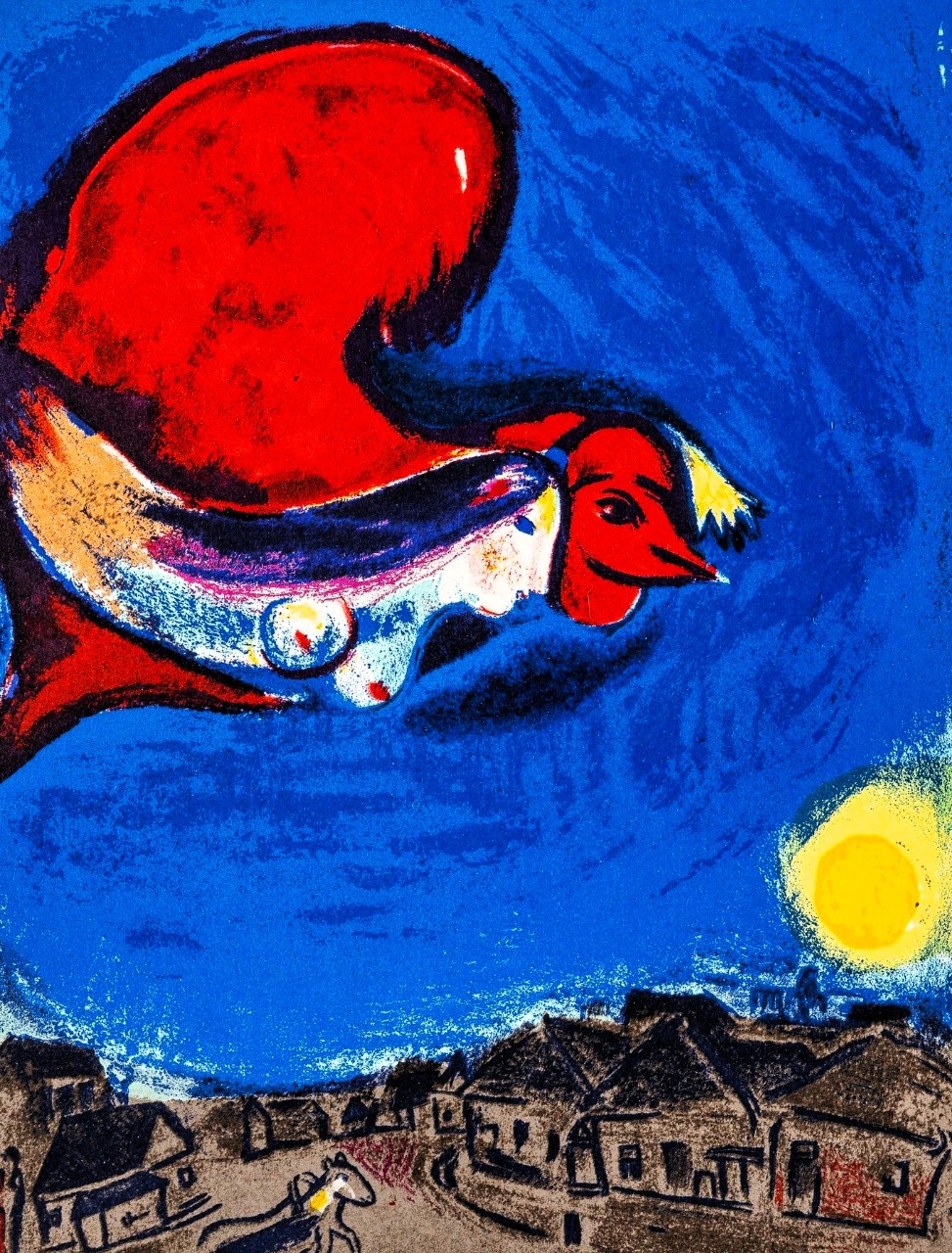
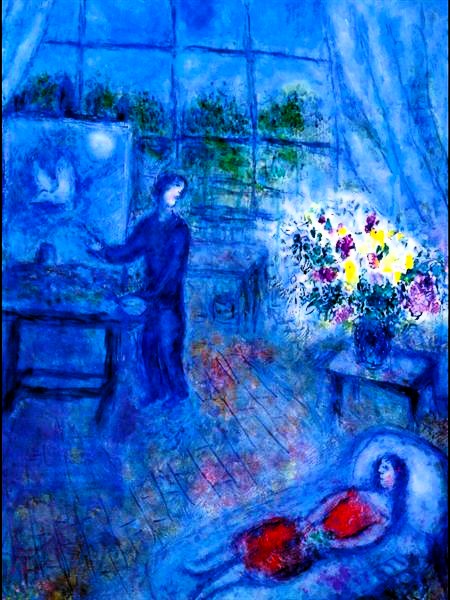
In any case, Modugno and Migliacci were touchingly in agreement on the transcendent meaning of the sentence as they on a bridge in Rome contemplated the sky. Even in my opinion, the Roman sky has a very special colour, perhaps it is the interaction between mountains and sea that makes it so. Rome is located between the two.
On my way home I came to think of the wars in Ukraine, Gaza and Iran and another song began to sound in my head, also by two Swedish authors – Olle Adolphson and Beppe Wolgers. Is that one banal one banal as well? Maybe, but beautiful. Sentimental, but true and thought-provoking. It makes me strangely depressed.
I heard music somewhere
it came from a frozen orchestra,
They call it the balance of terror
and is danced by East and West.
What do I care about East and West,
I know best . . .
. . . Because when people have each other
they all live in the same country
And I'm just like others
and my hand is so like your hand.
The whole country is visible from my window.
The whole town is in my room
and in the ceiling the lanterns make patterns
It's stupid but I guess I'm stupid.
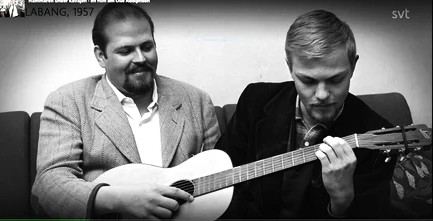
https://www.youtube.com/watch?v=2Uxs17sogvo
I am well aware that the blue colour of the sky actually hides a black, cold and inhuman space – inhuman in the sense that it lacks time, heat and oxygen. The wonderful blue color of the sea and sky is nothing more than a result of the dispersion of air molecules, which increase and decrease depending on the wavelengths of sunlight. Blue has the shortest wavelength and that's makes the sky blue during the day. The blue colour of the sky protects us from the relentless darkness of space. We cannot live out there, in the dark and cold, except in space stations, protected by ten-centimeter-thin walls of aluminum, titanium and a synthetic fibre called kevlar.
No, we belong here among one another. Surrounded by the beauty of nature, its greenery, fresh air, life-giving waters, deep forests and vast oceans. The earth is humans’ ho and from our perspective the universe is devoid of life. Perhaps we should sometimes take a step aside and become like strangers in this world, then we might for a moment be able to see and appreciate the incomprehensible beauty of our surroundings.
Seeing everything from the outside makes me remember a book I recently read – Samantha Harvey's Orbital.

Six people, four men and two women, share the cramped space of an International Space Station. They breathe the same air, constantly purified and reused. They eat the same vacuum-packed, fast-heated, boring food. Weightlessness and lack of an earthly perception of time, the absence of day and night, eat away their minds and bodies. They float in gravity-free sleep and exercise regularly to prevent atrophying muscles.
They are kind and respectful to each other, but to avoid coming into conflict during the long months they spend together, there is a tacit agreement between them not to complain, not to burden the others with their life stories, sorrows and shortcomings. They share their meals and modest parties. Avoids all talk of politics and nationalism – they are an American, an Italian, two Russians, an English woman and a Japanese. All of them feel a certain tenderness towards and a friendly bond with each other.
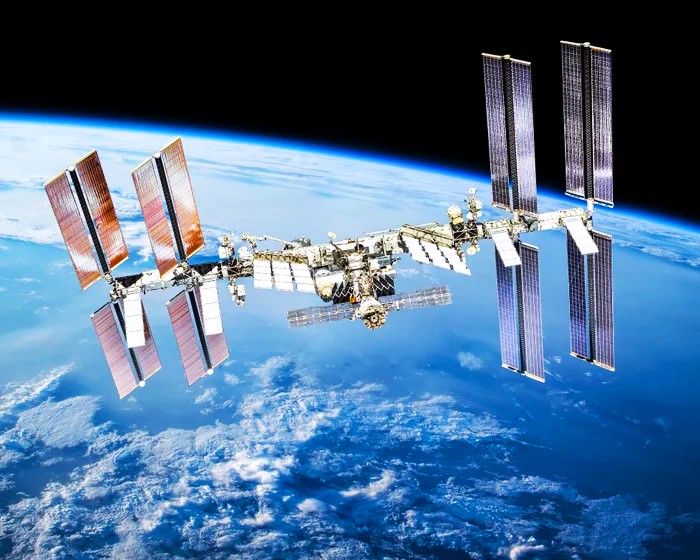
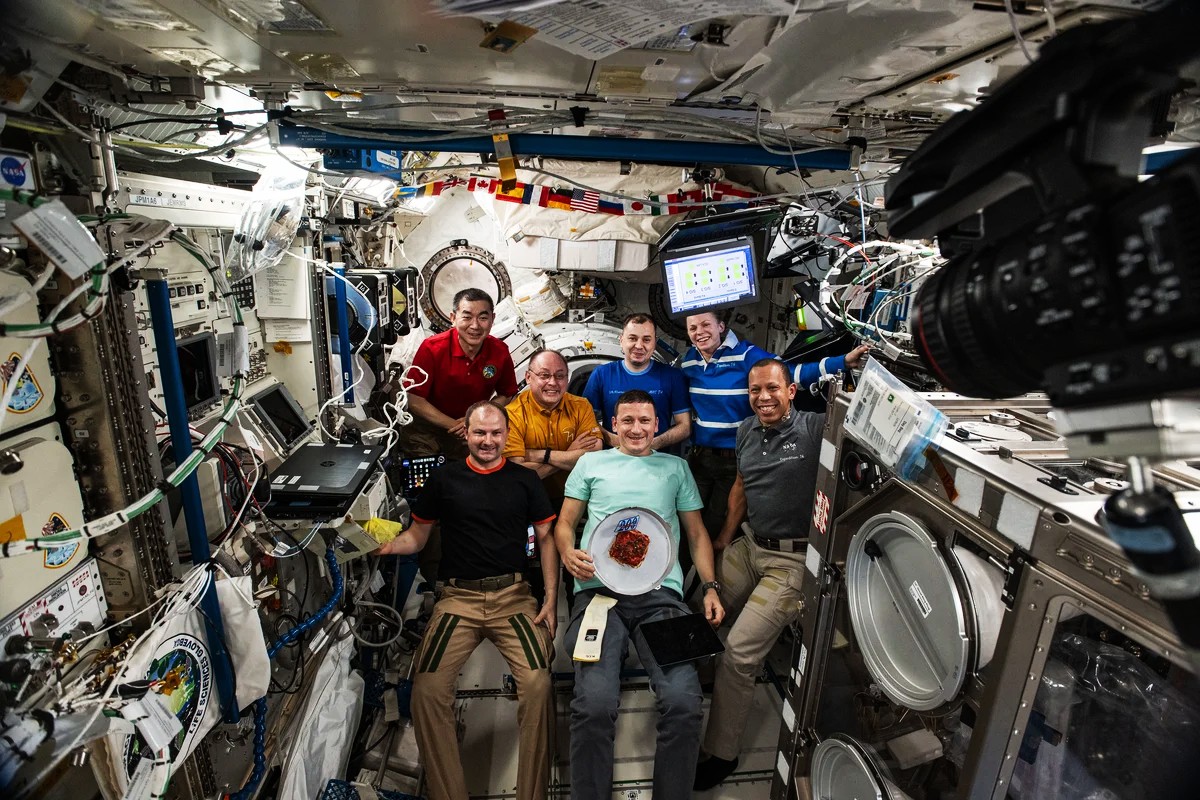
Each has their own specific scientific task – to see how a group of mice, some under the same conditions as themselves, others without any form of precautions, cope with weightlessness and timelessness. Another of them is tending to a bean culture, someone is checking a stem cell culture. They undertake spacewalks to install antennas, or check the outer shell of the space station. They take photographs of climatological changes and a variety of other types of measurements, constantly performing minor internal inspections and repairs. The older, Russian part of the station has an almost invisible crack.
Over the course of a day, we follow the astronauts on their journey around the Earth – sixteen sunrises and sixteen sunsets, during a constantly changing journey. In space, time disappears, as it actually depends on our relationship with the sun.
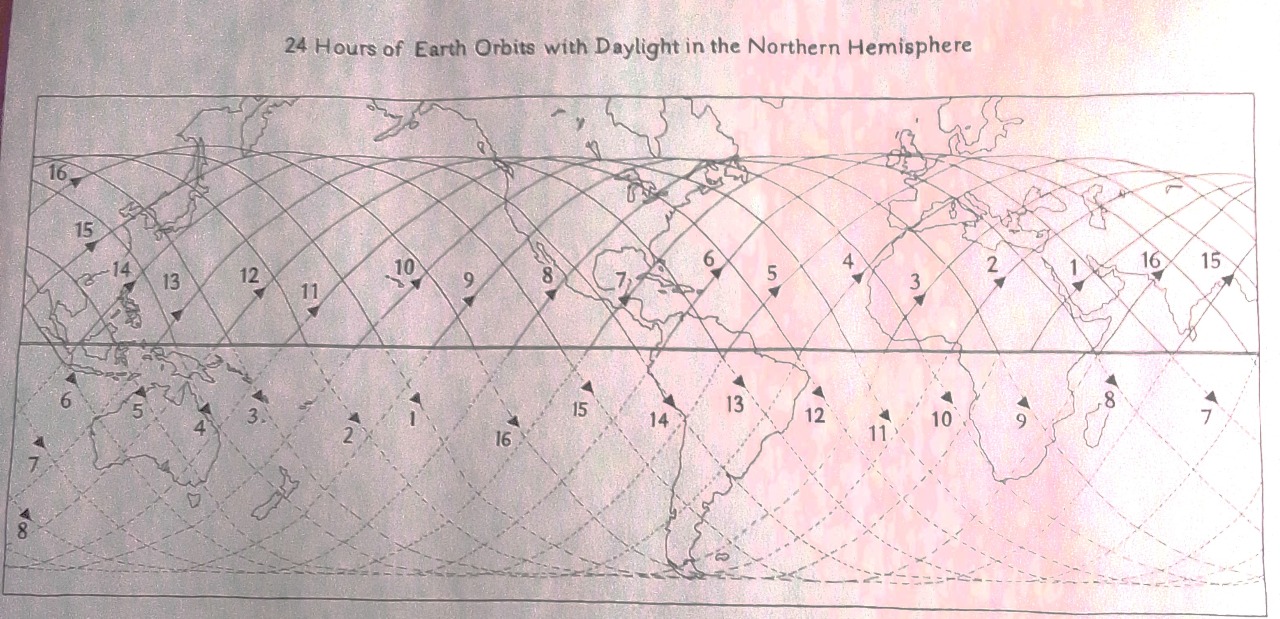
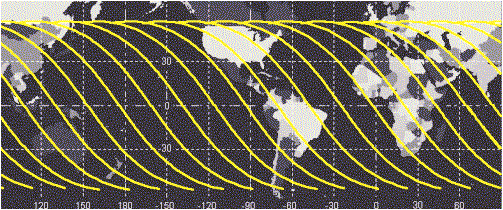
The six people are trapped like in a tin can in a vacuum protected from certain death by ten-decimetre-thin walls. We follow their individual thoughts. They have all once been driven by a dream of becoming space explorers and undergone rigorous training to achieve their goal. They live in a narrow, strange world with the chilly space of infinity around them. They are filled with memories of their earthly life, but somewhere deep inside themselves they are reluctant to return. They have become accustomed to a life of emptiness, characterized by the circumcision of routines and thin walls, a constant repetition of small tasks, far away from everything else, far beyond from other people. Somehow, they all fear the different life of the earth.
Through brief messages they receive and send to their families, we get glimpses of their earthly existence. The crew members have brought with them photographs and small, memorable objects. We recognize their loneliness and reluctance to maintain too intimate contact with their co-workers.
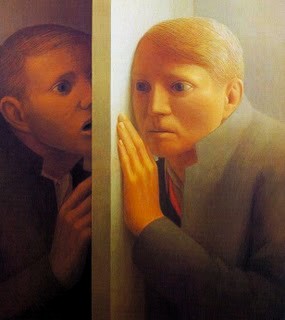
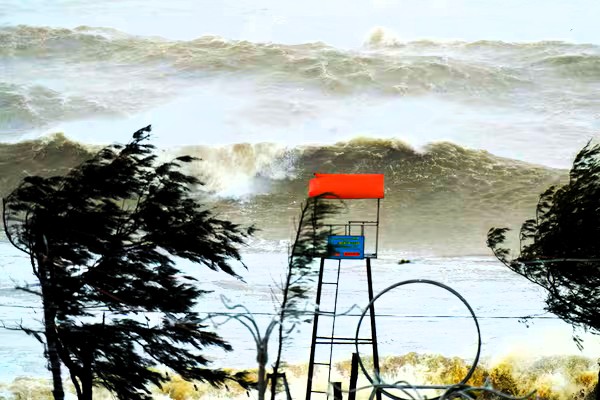
Despite their separation from the world, they can't escape its constant attraction. The news of a mother's death reaches them, and with it comes thoughts of returning to their homes. They watch as the white circle movement of a typhoon is born over the Pacific Ocean and approaches an archipelago which buildings are sure to be shattered, people will be injured and die.
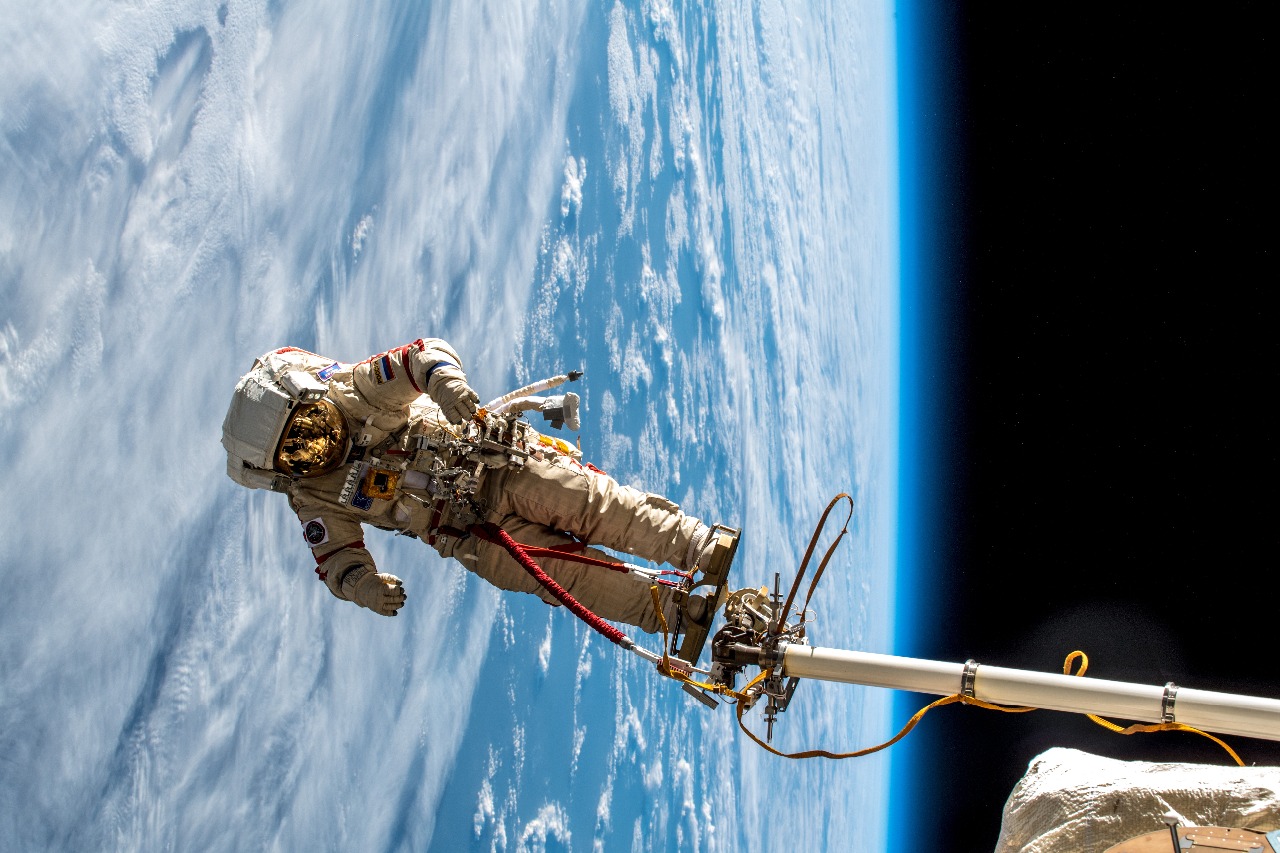
They look with awe at our world that shines in its reflection of sunlight. As they watch from the small windows of the space station how our world shifts from day to night and how their craft soars over glaciers and deserts, mountain ranges and oceans, above which white clouds swirl.They are all seized by the magnificence and beauty of Earth. The sun rises:
the planet’s turning in indifferent space and the perfection of the sphere which transcends all language. The black hole of the Pacific becoming a field of gold, or the French Polynesia dotted below, the islands like cell samples, the atolls opal lozenges; then the spindle of Central America …
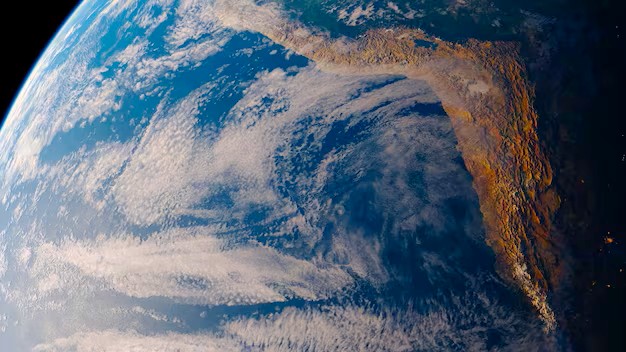
At the same time as they are fascinated by our world, they are worried about the destructive activities of humans. From the great distance where they find themselves, they cannot discern the misery, but they know and feel that the earth they are looking at is inexorably damaged and they have the means to zoom in on the deplorable effects.
Red algae blooming in the polluted, warmed, and overfished Atlantic Ocean. Disintegrating glaciers exposing bare mountainsides. Flaming, burning forests and bushlands, shrinking Arctic ice fields, oil spills. A bay discolored by water hyacinths feeding on untreated wastewater. Distorted, flooded, or dried-up, riverbeds in Sudan, Pakistan, Bangladesh, or North Dakota. Pink steppes left behind by evaporated lakes. Gran Chaco's brown areas with huge cattle farms, where there used to be rainforest. Greenish-blue, large evaporated ponds where lithium is mined out of the brine. The changing contours of coastlines where land has been reclaimed through efforts to house more and more people, or coasts reclaimed by the sea that don't care about the people who live there. Disappearing mangrove forests, hundreds of acres of greenhouses which plastic cover make the entire southern tip of Spain white in the sun. The oceans' floating islands of plastic waste.
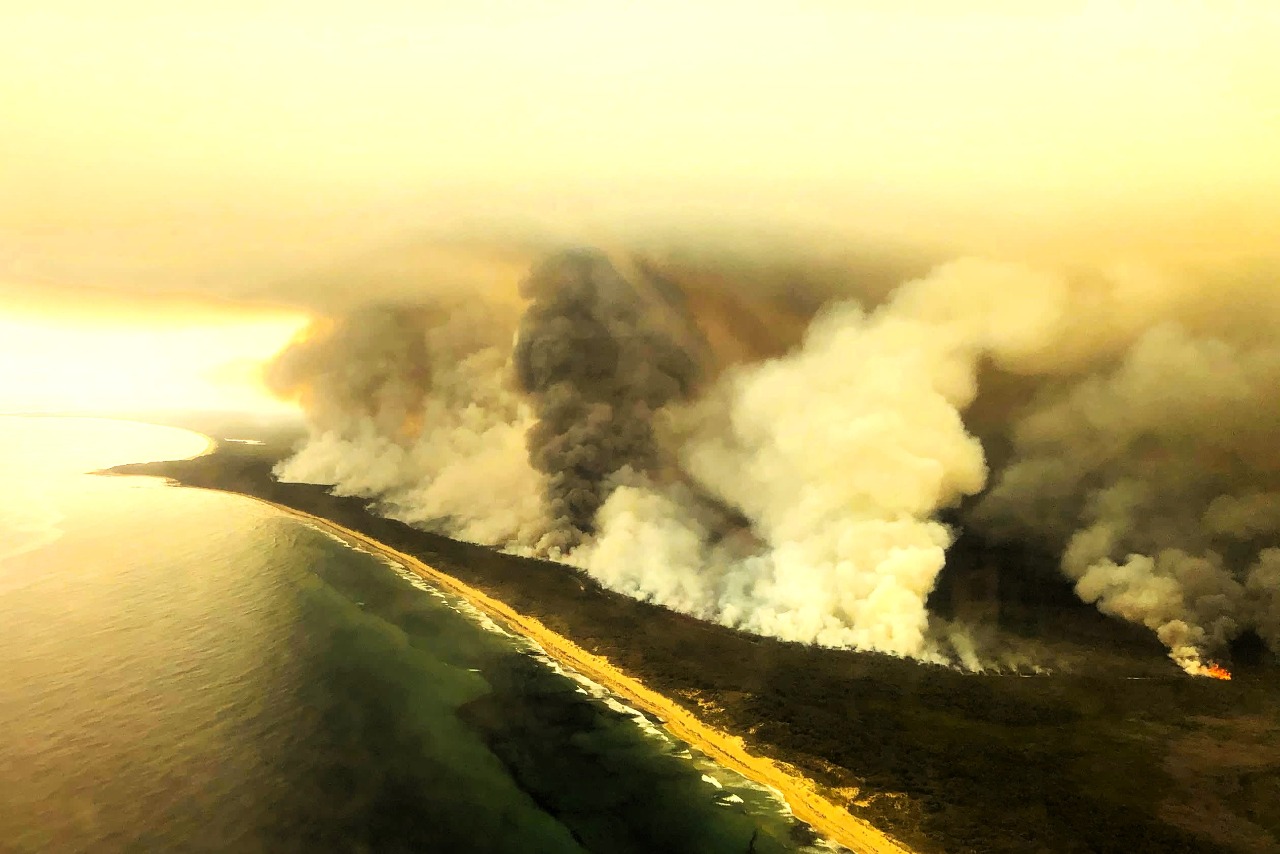
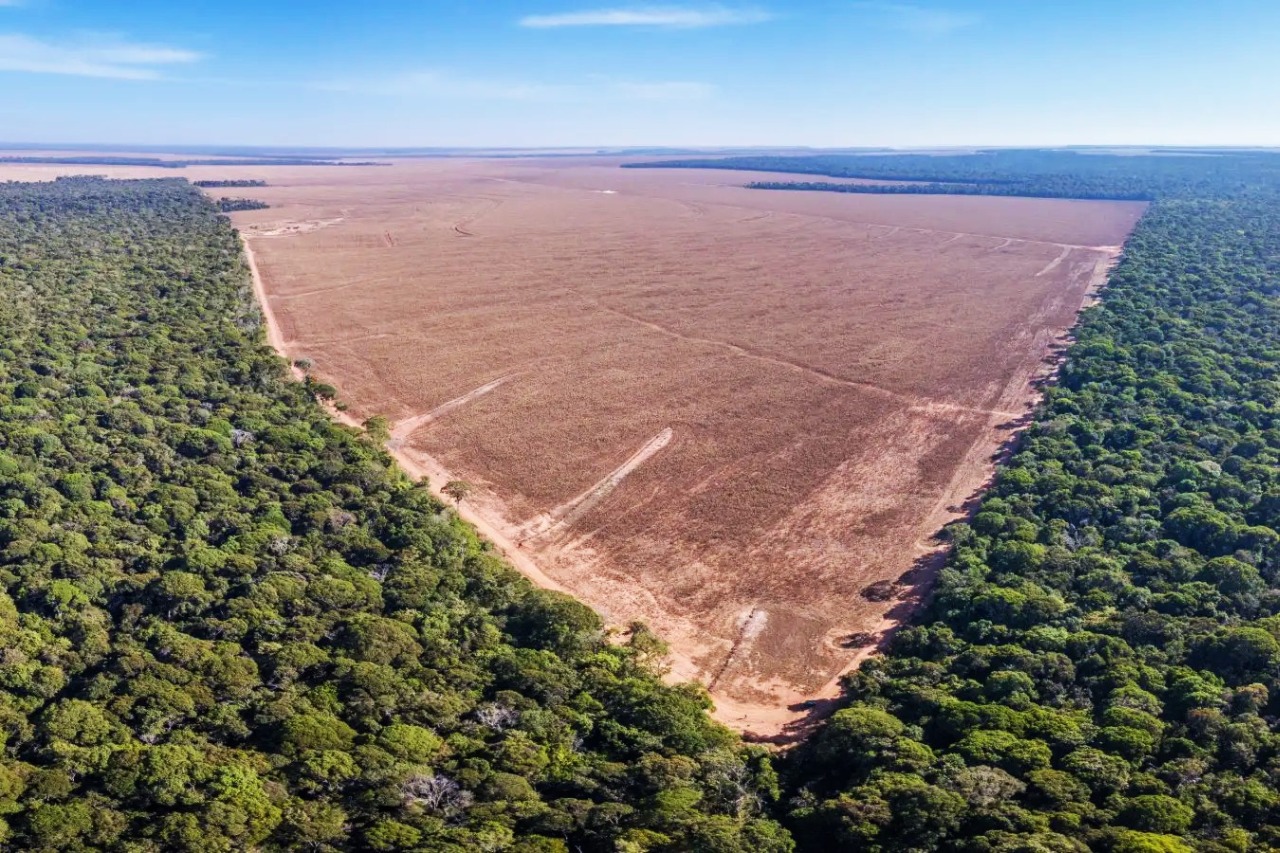
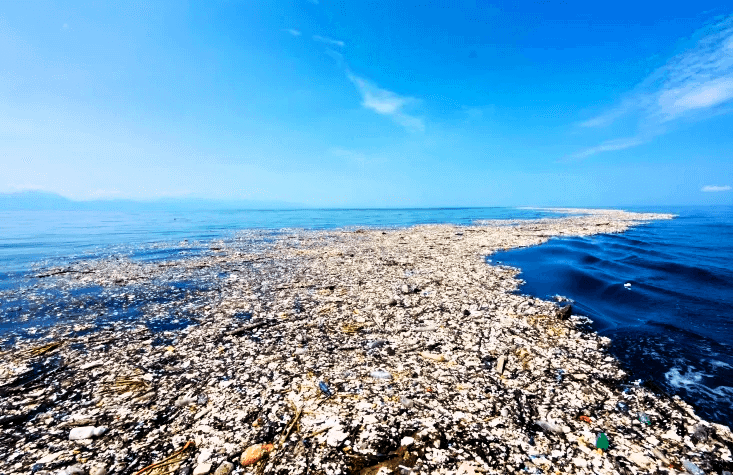
Seen from far above there are no borders, wars, famines, or poverty. During the day, nothing human is visible, except if you zoom in and watch its destruction of our Mother Earth. However, at night, densely populated areas light up the darkened continents.

The space station is a microcosm with parts and people from different parts of the world. There is a Russian older, slightly worn part and a newer American part with gadgets and technology from the 23 member states of the European Space Agency (ESA), and also from Canada and Japan.
Roman is a Russian cosmonaut. He has been in space for all together 434 days and is the station's commander. "Skilled and capable", Roman knows the space station inside out and seems to be able to fix anything on board.
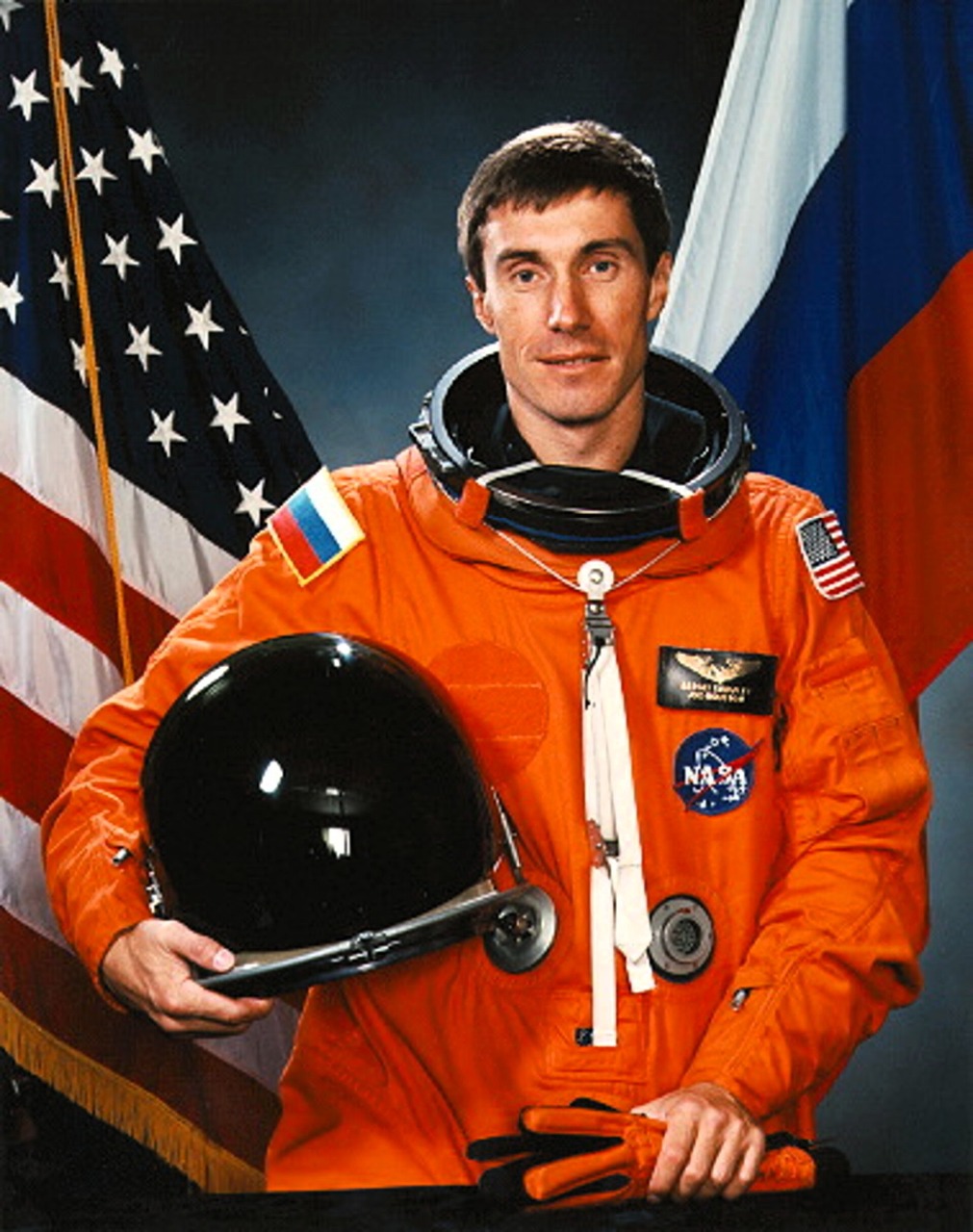
Roman is practical and easy to work with. His hero is Sergei Krikalev, whose picture he keeps next to his sleeping place along with a view of the Ural Mountains. Krikalev was the first Russian to travel in space together with the Americans. He made six space flights and remained in space when the Soviet Union dissolved in December 1991. Krikalev's return was delayed and he remained on the MIR space station for 311 days, twice as long as the mission had originally required. Roman is a radio amateur and occasionally comes into contact with private individuals on earth, short conversations that are quickly interrupted.
The other Russian, Anton, is liked by the others, although he is quiet he has a dry sense of humor that they appreciate. He is easily moved and cries openly when he watches movies together with the others or look down on the earth outside the windows. Much of his time Anton spends by reflecting on his recently ended marriage.
Japanese Chie's parents were survivors of the atomic bomb attack on Nagasaki, something that characterized her relationship with them. Her father died earlier and her mother has now died during her time in space. She wrestles with her grief and can't really share it with her friends in the crew. The distance to her mother's death and funeral is just as difficult as the distance she felt while her mother was still alive. She remembers snapshots that she tries to piece together. The crew members regard Chie as methodical, wise, and fair.
.jpg)
The Italian Pietro is open and practical, quick to speak his mind, even if things can sometimes go a somewhat awry. In true Italian spirit, he tried to spice up the dreary plastic-wrapped "macaroons with cheese" with some spices and other culinary tricks. The result was catastrophic and the disgusting smell of his failed experiments hovered over the space station for more than a week
One summer, Pietro and his family visited an island off the coast of the Philippines to devote themselves to diving along its coral reefs. The family became friends with a poor fisher family living there. The children looked up to this living astronaut and the fisherman's family gave the Italians all the hospitality available to them. Despite language and cultural barriers, Pietro felt a great closeness to the poor islanders, and after returning to Italy, he sent them photographs and gifts. Now the fisherman family is threatened with extinction by the huge typhoon that the space station crew can see approaching the Philippine coast.
Shaun is American and despite his physical knowledge of space and mathematics, he is deeply religious and believes that God exists and has created the universe according to a divine design. He does not preach his faith to the others, who are generally atheists, but they respect his seriousness and deep faith.
The English Nell is energetic and positive and she writes to her husband almost daily for six years. In fact, she has not had much in contact with him since five of those years were mostly devoted to her astronaut training. Their lives appear to be both spiritually and spatially separate. He lives alone on his family farm in the Irish countryside.
During a spacewalk when she is only connected to the space station by a pair of cables, like an umbilical cord, Nell feels how difficult it is to work surrounded by the clumsy spacesuit. She is connecting an antenna to the hull. However, as she floats freely in empty space and watches the luminous earth without the station's fixed window frames, she is seized by a dizzing sense of expansion.

The American Shaun has brought a postcard with him and he often looks at it. Las Meninas, The ladies-in-waiting, by Velazquez. One of art history's most debated paintings.
The postcard has a special value for Shaun – he had been sent to him by a girl while he was still in high school. At first uninterested, he had listened with increasing fascination to how a teacher had bexplained Las Meninas to his students. How unique the painting was in that it united the classical unity between space, time and action. The artwork depicted Velazquez's studio within the Spanish Imperial Palace, just at the time when the Imperial couple entered the room. The artist stood in front of the easel ready to portray the infantinna the little lively Margarita, whose intricat-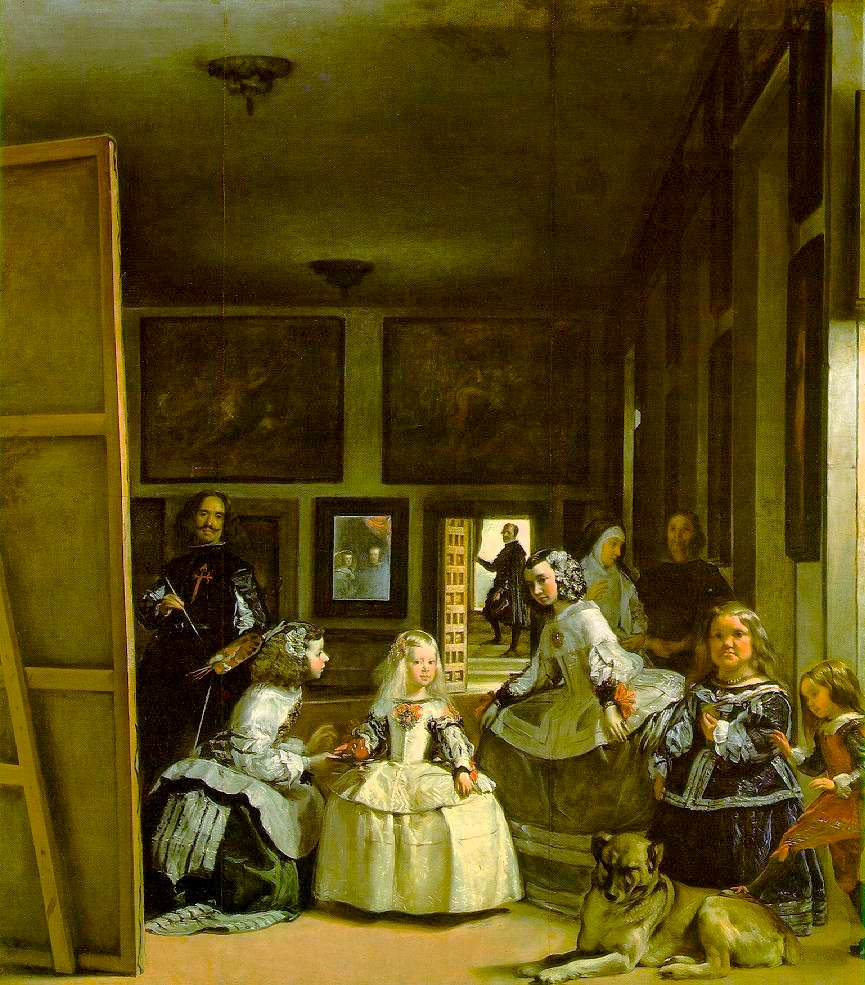
The postcard was sent after class by a girl who had observed how Shaun suddenly had begun to focus all his attention on the lesson and this was the origin of a youth romance which resulted in Shaun marrying the girl who a few years earlier had sent him the card. Since then, he had often taken oit out and looked at it, there in cramped space of the space station, in a time beyond usual time, where sunrises and sunsets were constantly shifting, like they had done all the time back to Velazquez's studio. Shaun looked at the image as if it was depicting something that here and now – the unity of time, space and action
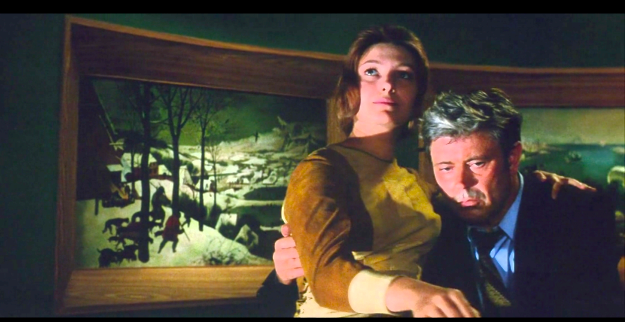
In the poetic film Solaris by Tarkovsky, which I have long been fascinated by and wrote a blog about several years ago, there are also paintings within n a spaceship. Particularly prominent is Breughel's Hunters in the Snow, to which several of the film's scenes allude. A connection to the earth and the past, to a season, something that does not exist in space, and strong childhood memories.
On the back of Shaun's postcard, his wife had written several questions of which several revolved around who is watching what. The artist who looks at the Emperor and the Emperor who enters the room, the infanta who looks towards her parents, as well as one of the lady-in-waiting is doing. Looking towards the entering royal couple are also one of the dwarfs and a couple, glimpsed blurred in the background; a nun and perhaps a priest, a man who turns in the background in the doorway through which he is about to exit. The only people who do not seem to have paid any attention to the Emperor and his Queen, who are only glimpsed indistinctly in a mirror placed at the far end of the room, are one of the ladies-in-waiting who arranges the infantess's elaborate skirt and a dwarf who has placed one foot at the dog in the foreground.
The practical Italian Pietro wonders what it is that Shaun finds so fascinating about the picture, whereupon Shaun reads out the text on the back. Pietro wonders if Shaun's wife is always so obsessed with such a large number of small questions, Shaun then admits that the questions raised by the painting are numerous and "relentless". Pietro takes a look at the card and states; "The dog". "Excuse me?" "The answer to your wife's question about the subject of the painting is the dog". Pietro kindly presses one of Shaun's shoulders and floats away into weightlessness. Astonished, Shaun stares at the card. The dog is in the forefront of the picture and is the only creature that does not react to what is happening around it. It has its eyes closed, perhaps it is sleeping?
_
The author, Samantha Harvey, begins to speculate. Perhaps Velazquez meant that the dog was a creature beyond time and space, like the passengers of the space station. As an animal, it is both inside and outside the room. It belongs there and not there.
When Harvey mentioned the dog, she brought back some memories. While I was still a high school student, I took university courses in art history. Professor Aron Borelius was an unforgettable lecturer who taught us to look at works of art with open eyes. "Forget everything you possibly know about the artist, or the artwork. Consider it. Nothing else. Reset your consciousness and step into the work, see the colours, the composition, the characters, the surroundings. Now try to tell me what you see." And we did our best. Aron had written a book about Velazquez and I remember how he made us look at and comment on the painting. We made observations similar to those on Shaun's card – who is looking at what? On whom? How are the characters related to each other? Where does the light come from? There is a high ceiling. Why? There are paintings on the walls, but we cannot distinguish their motifs. And much more. One of us concentrated on the dog. She said it was big, that its fur was masterfully rendered. Did it sleep?
After all these observations, Aron began to ask us about the meaning? What really happened in the painting? We came to the conclusion that the little infanta was to be portrayed by Velazquez and that the figures in the room were preparing for this event when the Emperor and Queen entered the room. However, then we came to the dog someone said – "Look how typical Spanish it is. The dwarf who looks like a little boy kicks it. Isn't it the case that southerners have less respect for animals than we do?" Aron asked her to look at the picture again. Is the dwarf really kicking the dog? It actually looks like it's enjoying itself. Isn't so that the dog closes his eyes, not because he's asleep, but because the dwarf caresses him with his foot.
I remember all that when, for some reason I don't really remember, I had ended up in Madrid, while Franco was still in power. I had traveled there alone by train, which I now think is a bit strange. Wouldn't I have been travelling on Interrail with my friends? Why had I ended up alone in Madrid? Maybe it was so that I had taken a detour while I was waitingf for a bank transaction to reach in Séte on the Riviera, while my friends went further north?
However, I visited El Prado and of course I looked up Las Meninas. At that time, the large painting hung in a separate room and when I got there I was alone in the room for a long time and could thus revisit Aron’s art lesson on my own.
Strangely enough, there was a large mirror at one end of the room and when I looked into it it was as if I had become part of the painting. The mirror also reinforced the sense of the different perspectives that the people seemed to have. I got a sense of what the scenery must have been like for the Emperor and Queen when they entered the room. Somehow the mirror made me a participant in the entire event.
_ront of his subjects, paintings within paintings. Like when he depicts himself painting a portrait of his wife Gala.
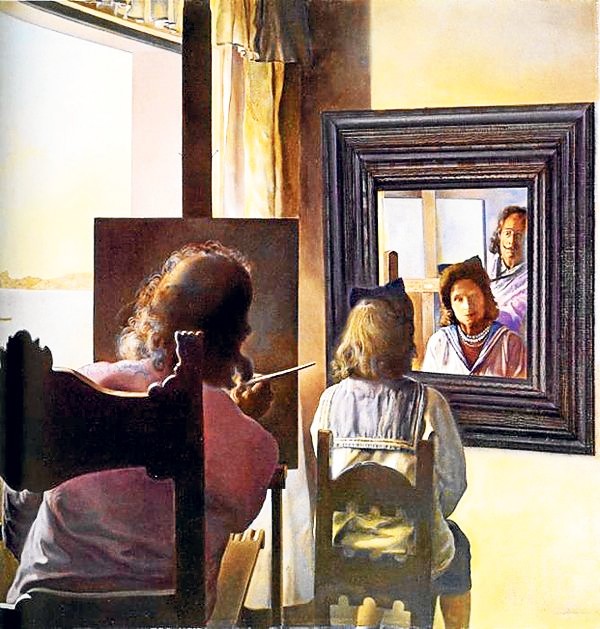
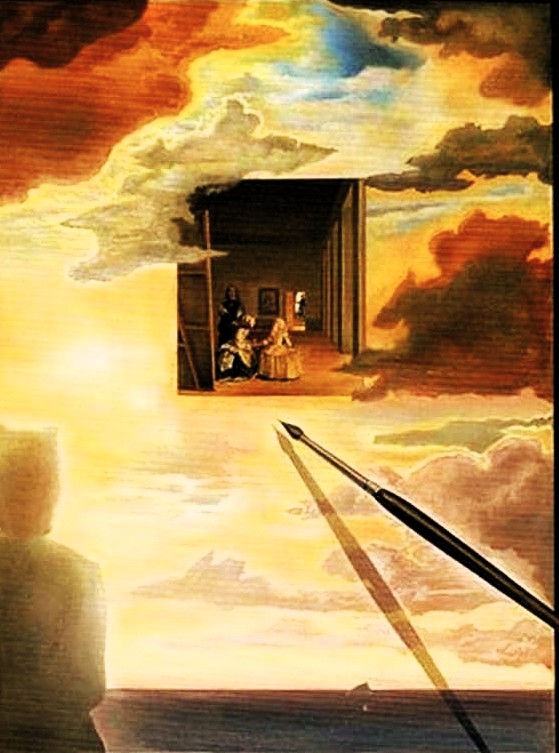
Several paintings and sketches also spoke of Dalí's obsession with Velazquez and I was drawn to a painting that seemed to reflect my experience of Las Meninas in Madrid – that the viewer becomes a co-creator of the artwork. Dalí had painted a brush that extends into the painting, just as if the viewer was holding it. And curiously enough, given my introduction to this blog, Las Meninas appeared as a small vessel against the coloured clouds of an evening sky. Like the space station, which with peole trapped iside travelled between sunrise and sunset.
.jpg)

.jpg)
.jpg)
.jpg)
